


In the complex landscape of neurological emergencies, few conditions present as formidable a challenge as Super-Refractory Status Epilepticus (SRSE). This life-threatening state, where seizures persist despite aggressive treatment including general anesthesia, leaves clinicians grappling with limited options and significant patient morbidity and mortality. Among the advanced therapies employed, ketamine has emerged as a crucial agent due to its unique mechanism of action. However, its effectiveness varies, underscoring a critical need for precision medicine. The emerging field of ketamine biomarkers holds immense promise, offering a beacon of hope for optimizing treatment and improving outcomes for patients battling SRSE, especially within the unique healthcare ecosystem of India.
Understanding the Silent Storm: Super-Refractory Status Epilepticus
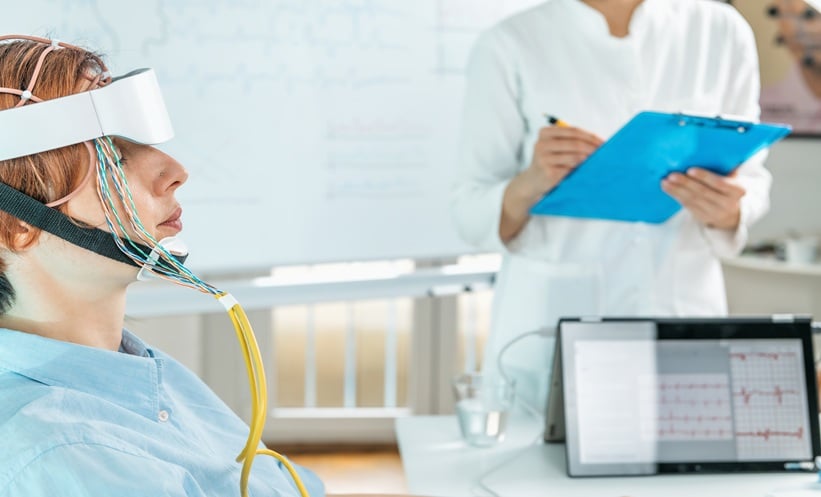
Status Epilepticus (SE) is defined by prolonged seizures or multiple seizures without full recovery of consciousness in between. When SE fails to respond to first and second-line anti-seizure medications, it progresses to Refractory Status Epilepticus (RSE). The most severe form, SRSE, is diagnosed when seizures continue for 24 hours or more despite the administration of at least one intravenous anesthetic agent. Patients in SRSE often require prolonged stays in intensive care units, mechanical ventilation, and continuous electroencephalogram (EEG) monitoring. The consequences are devastating: high rates of brain injury, severe disability, and mortality rates that can exceed 30%.
For a nation like India, with its vast population and diverse healthcare infrastructure, the burden of neurological disorders is substantial. SRSE poses a particular challenge due to the intensive resources it demands – specialized neurological expertise, advanced ICU facilities, and continuous monitoring equipment. Early diagnosis and timely, effective intervention are paramount, yet often hampered by factors such as delayed presentation, limited access to tertiary care in rural areas, and the sheer volume of patients. This context amplifies the urgency for more targeted and efficient treatment strategies.
Ketamine’s Role and the Quest for Precision Therapy
When conventional anti-epileptic drugs fail, anesthetics become the last line of defense in SRSE. Ketamine stands out among these for its primary action as an N-methyl-D-aspartate (NMDA) receptor antagonist. NMDA receptors play a crucial role in excitatory neurotransmission, and their overactivity is implicated in sustained seizure activity. By blocking these receptors, ketamine can help break the seizure cycle and restore normal brain activity. Unlike some other anesthetics used for SRSE, ketamine can also maintain cardiovascular stability, which is a significant advantage in critically ill patients.
Despite its potential, ketamine’s efficacy is not universal, and its use is associated with side effects such as elevated intracranial pressure, hypertension, and psychotomimetic effects upon emergence. The challenge lies in identifying which patients will respond best to ketamine, at what dosage, and for how long. This is where the concept of biomarkers becomes transformative. Researchers are actively exploring various types of biomarkers – from genetic predispositions and inflammatory markers to specific metabolites or patterns observed on continuous EEG – that could predict ketamine responsiveness. Imagine a scenario where a simple blood test or an EEG signature could tell a clinician if ketamine is the optimal choice for a patient, or if an alternative therapy should be prioritized. Such precision would not only improve patient outcomes but also conserve valuable resources.
Paving the Way for Better Outcomes in India
The pursuit of ketamine biomarkers for SRSE holds profound implications for Indian healthcare. Implementing such diagnostic tools could lead to more judicious use of expensive medications and scarce ICU beds, improving resource allocation across overburdened public health systems. It could also empower clinicians in smaller tertiary centers to make more informed treatment decisions, bridging the gap in specialized expertise. Moreover, India’s robust pharmaceutical and biotechnology sectors, coupled with its large patient population, present a unique opportunity for conducting large-scale clinical trials and research collaborations aimed at biomarker validation.
The sentiment among leading medical professionals reflects this optimism. “Identifying reliable biomarkers for ketamine response in SRSE could be a game-changer, especially in a country like India where resource optimization and early, effective intervention are critical,” states Dr. Priya Sharma, Senior Consultant Neurologist at Apollo Hospitals, Delhi. “It moves us closer to personalized medicine, ensuring that each patient receives the most effective treatment tailored to their unique physiological profile, thereby reducing morbidity and improving survival rates.“
The integration of advanced diagnostics like biomarkers into routine clinical practice will require significant investment in research infrastructure, training for healthcare professionals, and accessible diagnostic platforms. However, the potential benefits – reduced patient suffering, decreased healthcare costs associated with prolonged ineffective treatments, and a higher quality of life for survivors – far outweigh these challenges. It signifies a shift from a trial-and-error approach to a data-driven, precise intervention.
The journey to fully integrate ketamine biomarkers into SRSE management is ongoing, but the horizon is promising. For patients and their families in India and worldwide, this research offers renewed hope for a future where this devastating neurological emergency can be met with more targeted, effective, and personalized care. As scientific understanding evolves, the silent storm of SRSE may one day be confronted with precision, leading to significantly better outcomes for those it afflicts.

