


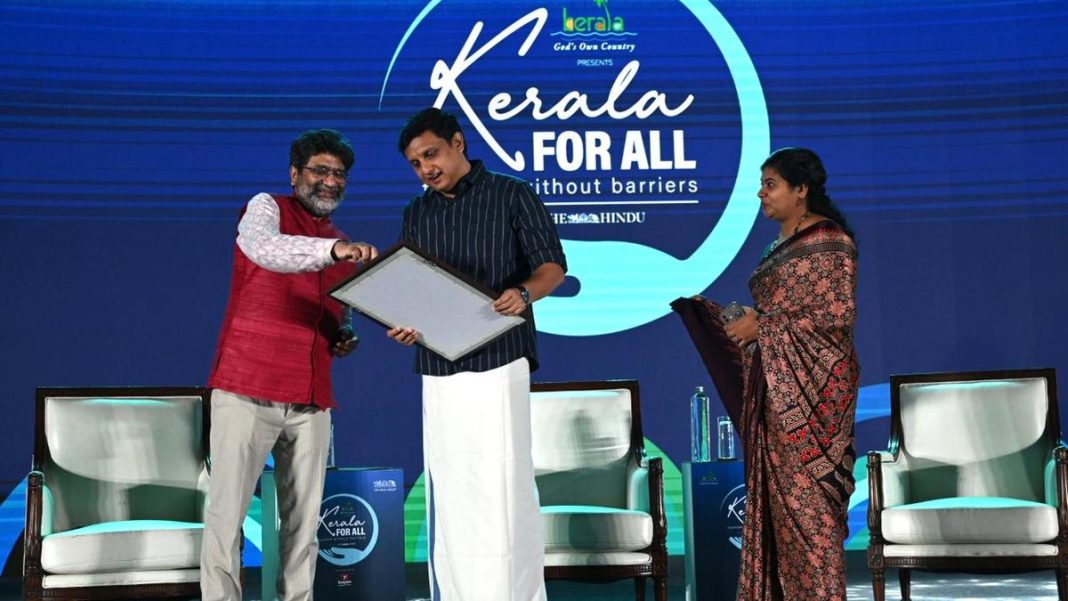
Kerala, renowned globally for its picturesque landscapes and tranquil backwaters, is now firmly setting its sights on a pioneering vision: becoming a truly inclusive and accessible tourism destination. This commitment was the central theme of the recent “Kerala for All” conclave, held live, which brought together policymakers, industry leaders, and accessibility advocates. The event underscored a critical message: achieving an inclusive tourism ecosystem is not merely a government mandate but a shared responsibility demanding collective effort from every stakeholder.
The Vision: Tourism for Every Traveller
The “Kerala for All” initiative is more than just a marketing slogan; it represents a profound shift in how the state perceives and promotes its tourism offerings. The conclave highlighted the importance of designing and developing tourism infrastructure and services that cater to the diverse needs of all individuals, including those with disabilities, senior citizens, and families with young children. This means ensuring physical accessibility in public spaces, transportation, accommodation, and attractions, alongside providing information in multiple formats and offering sensitivity training to tourism professionals.
Kerala’s proactive stance is rooted in the understanding that accessible tourism is not just a human right but also a significant economic opportunity. By opening its doors wider, the state can tap into a largely underserved market segment, attracting more domestic and international tourists. The discussions at the conclave touched upon making iconic destinations like Kovalam Beach, Munnar’s tea estates, and the Alleppey backwaters navigable and enjoyable for everyone. This includes ramp access, accessible restrooms, audio guides, braille signage, and trained personnel who can assist visitors with specific needs. The goal is to move beyond mere compliance to fostering an environment where every visitor feels welcomed, respected, and empowered to explore the beauty of Kerala.
Shared Responsibility: A Collaborative Blueprint
A recurring motif throughout the conclave was the imperative of shared responsibility. Speakers consistently emphasized that no single entity can achieve the ambitious goals of inclusive tourism alone. It requires a multi-pronged approach involving government bodies, private enterprises, local communities, and even tourists themselves.
The Kerala Tourism Department, while taking the lead in policy formulation, standard setting, and initial infrastructure development, stressed the need for private sector participation. Hotels, resorts, tour operators, and transportation providers were urged to invest in accessible infrastructure, train their staff in disability etiquette, and develop inclusive travel packages. Similarly, local communities play a vital role in fostering an inclusive environment through awareness, understanding, and hospitality. NGOs and advocacy groups bring invaluable insights and expertise, helping to bridge gaps between policy and practical implementation.
Kerala’s Minister for Tourism, P.A. Mohamed Riyas, articulated this vision clearly during the conclave, stating, “Our dream of ‘Kerala for All’ can only be realized when every stakeholder, from the government and industry to local communities and individual citizens, takes ownership. This is not just about building ramps; it’s about building empathy and understanding that inclusion enriches everyone’s experience. We must work hand-in-hand to dismantle barriers, both physical and attitudinal.” His statement encapsulates the spirit of collaboration that the state aims to foster, highlighting that the journey towards true accessibility is a collective endeavour.
Paving the Way Forward: Challenges and Solutions
While the commitment is strong, the conclave also delved into the challenges that lie ahead. These include securing adequate funding for retrofitting existing infrastructure, ensuring consistent standards across diverse tourism offerings, and addressing attitudinal barriers that often stem from a lack of awareness or understanding. Education and capacity building emerged as key areas of focus. Programmes for sensitizing tourism professionals, local service providers, and even school children about inclusive practices were discussed.
The role of technology was also highlighted as a crucial enabler, from developing accessible websites and booking platforms to utilizing smart solutions for navigation and information dissemination. Furthermore, the conclave emphasized the importance of regular audits and feedback mechanisms to continuously improve the accessibility framework. By learning from international best practices and adapting them to the unique Indian context, Kerala aims to set a benchmark for accessible tourism in the country, inspiring other states to follow suit.
The “Kerala for All” conclave served as a powerful platform for introspection, dialogue, and commitment. It reinforced Kerala’s position as a forward-thinking tourism destination that prioritizes people over profit, demonstrating that true success lies in its ability to welcome and serve everyone equitably. The journey towards a fully inclusive Kerala is ongoing, but with a shared sense of responsibility and a clear vision, the state is well on its way to making tourism a truly universal experience.

