


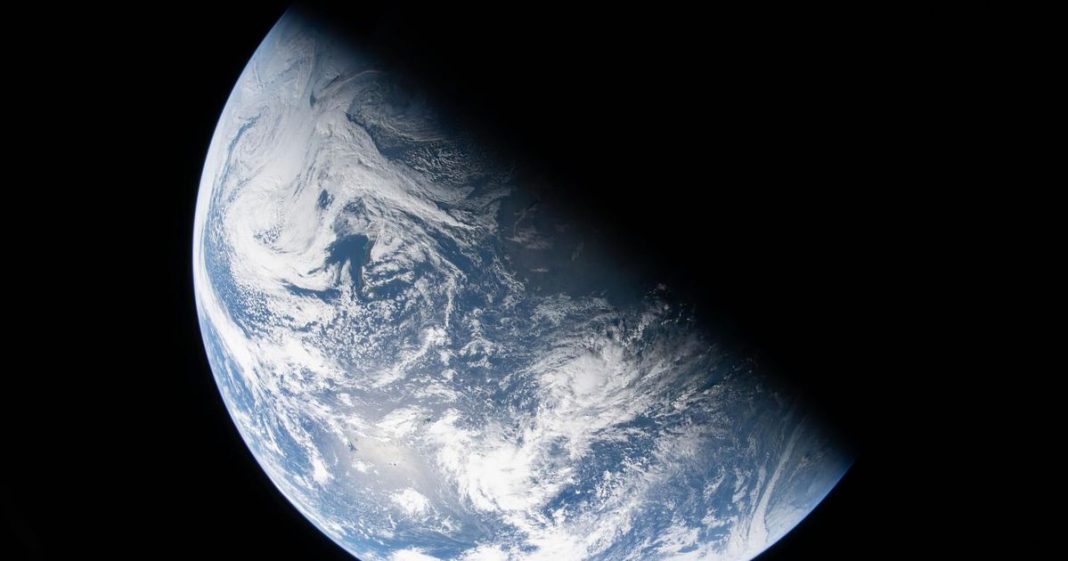
As humanity gazes skyward, the Artemis II mission stands poised to etch its name into the annals of space exploration. This isn’t just another journey; it’s a bold return to lunar orbit, promising to push the boundaries of human presence further than ever before. With eyes firmly set on surpassing even the unintended distance record held by the resilient Apollo 13 crew, the four astronauts aboard Orion are embarking on an odyssey that aims to redefine our relationship with the Moon. Yet, even amidst such grand ambitions, the everyday realities of living in space have a peculiar way of making their presence known. And right on cue, as the crew prepares for their record-breaking venture, one of the most infamously finicky pieces of space hardware has decided to stage a minor rebellion: the toilet.
The Lunar Race: Beyond Apollo’s Reach
The Artemis program is more than just a throwback to the Apollo era; it’s a giant leap forward. Artemis II specifically is a critical proving ground, a crewed test flight that will send its astronauts further into space than any human has traveled before. Their trajectory is designed to take them around the far side of the Moon, extending beyond the farthest point reached by the Apollo 13 mission – a mission famously forced into an unplanned, expansive lunar loop due to a critical onboard emergency. That inadvertent slingshot set a record for human deep-space travel that has stood for over half a century, a testament to incredible improvisation under duress.
Now, Artemis II aims to intentionally break that record, demonstrating the capabilities of the Orion spacecraft and its life support systems for future, longer-duration lunar missions and eventual journeys to Mars. This journey isn’t merely about distance; it’s about proving the resilience of both human and machine in the harsh environment of deep space, preparing the way for subsequent missions that will see humans once again walk on the lunar surface.
When Nature Calls: The Persistent Problem of Space Plumbing
Amidst the excitement of record-breaking distances and pioneering exploration, the human body’s fundamental needs remain. And nowhere do these needs present a more unique engineering challenge than in microgravity. Space toilets are legendary for their complexity and, often, their temperamental nature. From the early days of Apollo’s “fecal bags” to the elaborate vacuum systems of the International Space Station, designing a reliable waste management system for astronauts has been a constant, sometimes messy, battle.
The latest reports indicate that the toilet aboard the Orion spacecraft, a critical component for crew comfort and hygiene on this multi-day mission, is “acting up again.” This isn’t just a minor inconvenience; it can pose significant operational and health challenges, especially on a long-duration flight where waste disposal systems are integral to maintaining a habitable environment. As Dr. Elena Rostova, a space systems engineer, remarked, “Designing a reliable waste management system for deep space is arguably as complex as building the propulsion itself. Every component must function flawlessly when there’s no plumber available.” While engineers are undoubtedly working tirelessly to address the issue from Earth, the crew themselves will need to be resourceful and adaptable, adding another layer of challenge to their already demanding mission.
A Testament to Ingenuity and Adaptability
The irony isn’t lost on anyone: racing to break a historical record set by a mission that famously overcame catastrophic failure, only to face a very human, very mundane challenge with the onboard facilities. Yet, this is the very essence of human spaceflight. It’s a delicate dance between cutting-edge technology and the primal realities of survival far from home. The Artemis II astronauts, like all those who venture into the void, are not just pilots or scientists; they are problem-solvers, engineers, and remarkably adaptable individuals. This “toilet trouble” is a potent reminder that even as we reach for the stars, the most basic necessities can present the most confounding hurdles. Rest assured, the teams on the ground and the intrepid crew in orbit will find a way to manage, proving once again that humanity’s drive to explore is unyielding, even when faced with the most unglamorous of setbacks.

