


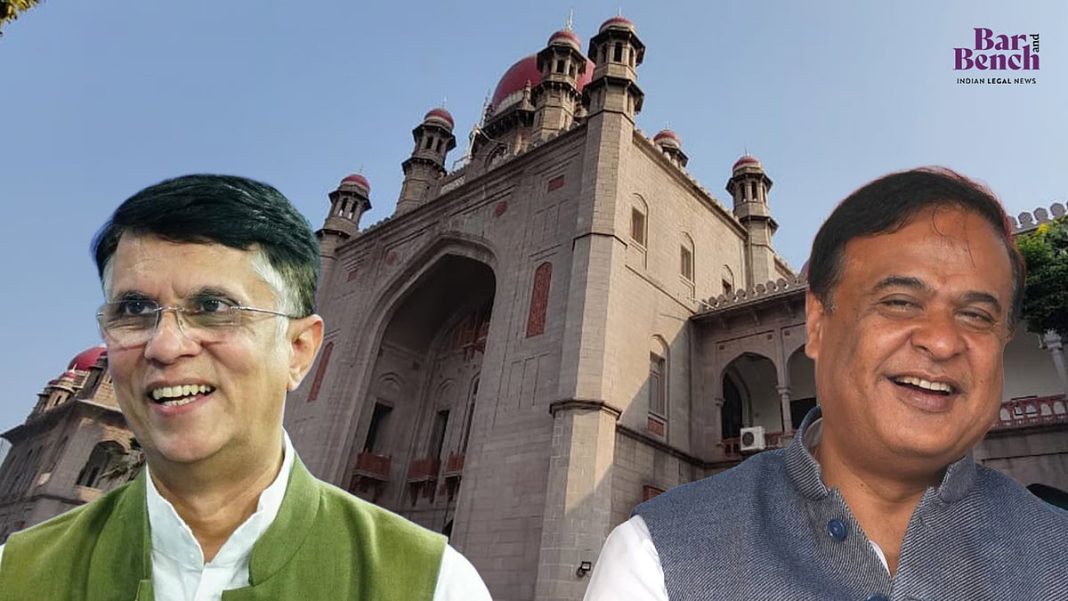
The corridors of justice often echo with strong words, but few have resonated with the starkness of Congress leader Pawan Khera’s recent observations. Describing the handling of an Assam Police FIR against him as akin to “jungle raj” and a “wild west” situation, Khera’s submissions to the Telangana High Court have once again thrust the spotlight on the delicate balance between state power, political dissent, and individual liberties in India. This high-profile legal skirmish is more than a personal battle; it’s a significant chapter in the ongoing discourse about due process and the evolving landscape of free speech.
The Anatomy of a Controversy
The genesis of this legal imbroglio dates back to February 2023, when Pawan Khera was dramatically deplaned from a Raipur-bound flight at Delhi’s Indira Gandhi International Airport. This unexpected detention by Assam Police personnel stemmed from multiple First Information Reports (FIRs) lodged against him in Assam and Uttar Pradesh. The charges primarily revolved around alleged derogatory remarks made against Prime Minister Narendra Modi at a press conference, accusing him of promoting enmity and defamation. The incident sparked immediate outrage, highlighting the perceived overreach of state machinery.
Following his arrest, Khera swiftly approached the Supreme Court, which intervened to grant him interim bail and subsequently consolidated the various FIRs registered across different states into a single case to be heard in Lucknow, Uttar Pradesh. The Apex Court’s move was widely seen as a protective measure against potential harassment through a multiplicity of cases. Despite this significant relief, the underlying concerns about the manner of police action and the proliferation of FIRs for a single alleged transgression continue to animate Khera’s legal challenge, leading him to articulate his grievances before the Telangana High Court.
Legal Battleground: Free Speech vs. State Action
It is in this context that Khera, through his legal counsel, presented his arguments before the Telangana High Court. The core of his contention lies in challenging what he perceives as an arbitrary and politically motivated application of legal processes. The descriptive phrases “jungle raj” and “wild west” were not merely rhetorical flourishes; they encapsulated a profound criticism of what his legal team argued was an absence of adherence to established legal norms and procedures. The argument highlighted concerns about police forces from one state initiating action, including arrest, in another without clear jurisdictional clarity or a proportionate response to the alleged offence.
“The manner in which police action is being carried out, crossing state lines and initiating multiple FIRs for a single statement, resembles nothing short of a ‘jungle raj’ and a ‘wild west’ scenario,” Mr. Khera’s legal team contended before the court, underscoring the perceived chaos and lack of order in the police’s approach. This powerful statement emphasizes the fundamental tension between the state’s prerogative to maintain public order and the individual’s constitutional right to freedom of speech and expression. Khera’s plea reflects a continued push for judicial scrutiny into the actions of law enforcement agencies and an assertion that political dissent, even if critical, must be protected from undue harassment.
Broader Implications for Indian Democracy
The Pawan Khera case transcends the individual and points towards broader anxieties within India’s democratic framework. Critics argue that the increasing trend of registering multiple FIRs across states for comments deemed critical of those in power creates a “chilling effect” on free speech. Such actions can be seen as a tool to silence dissent and bog down opposition voices in endless legal battles, diverting their time and resources. The Supreme Court’s consolidation of FIRs in Khera’s case was a crucial step in mitigating this concern, but ongoing legal challenges, including those in the Telangana High Court, suggest that procedural fairness and the appropriate use of police power remain contentious.
This ongoing judicial oversight is vital. Courts are often the last resort for citizens to protect their fundamental rights against potential executive overreach. Cases like Khera’s serve as critical reminders of the need for robust judicial interpretation of laws and strict adherence to due process, ensuring the legal system is not weaponised for political purposes. The outcome of such legal battles sets precedents that can either strengthen or weaken the democratic fabric, particularly concerning the space available for constructive criticism and robust political debate.
Pawan Khera’s impassioned remarks before the Telangana High Court resonate far beyond the confines of his specific case. They encapsulate a persistent debate about the rule of law, the exercise of police powers, and the indispensable right to free expression in India. As the judiciary continues to examine these interactions, the dialogue initiated by Khera’s “jungle raj” critique underscores the imperative for transparency, accountability, and the judicious application of legal instruments. The ultimate resolution of such cases will undoubtedly shape the contours of political discourse and the protection of civil liberties in the nation, affirming the foundational principles upon which India’s democracy stands.

