


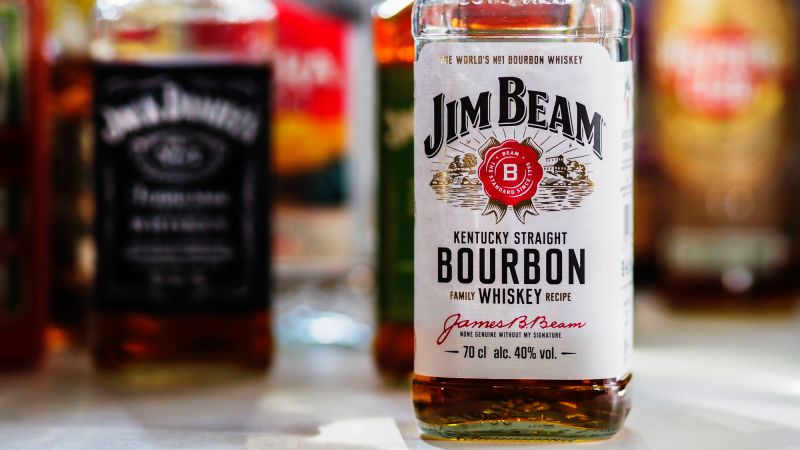
In a world often characterized by constant demand and relentless production, there’s a certain quiet satisfaction in hearing a success story so grand, it actually allows for a pause. That’s precisely the fascinating situation unfolding in Kentucky, where the legendary Jim Beam distillery is, for a time, taking a well-deserved break from making its iconic bourbon. And no, it’s not because of a shortage or a slowdown. Quite the opposite: they simply have plenty.
It’s a unique position to be in, especially for an industry built on anticipating future tastes years, even decades, in advance. This temporary halt in production isn’t a sign of trouble in the bourbon market; it’s a resounding testament to its flourishing health and Jim Beam’s incredible foresight.
The Art of Anticipation: Predicting a Bourbon Boom
Making bourbon is a long game. Unlike spirits that can be produced and sold almost immediately, bourbon requires years of patient aging in charred oak barrels. This means distillers must predict consumer trends far into the future, laying down spirits that won’t see the light of day for four, eight, or even twenty years. The fact that Jim Beam now has enough bourbon resting in its rickhouses to hit pause on new production speaks volumes about their accurate long-term forecasting.
The global appetite for American whiskey, and bourbon in particular, has surged dramatically over the past decade. What was once seen as a traditional American spirit has found a new generation of enthusiasts worldwide, driving demand to unprecedented levels. Distilleries like Jim Beam responded by ramping up production years ago, investing heavily in grains, distillation capacity, and, most crucially, barrel cooperage and storage. The current abundance isn’t an accident; it’s the culmination of shrewd business strategy and a deep understanding of market dynamics.
What “Plenty” Means for a Distillery Giant
When a distillery of Jim Beam’s magnitude says they have “plenty,” it’s not just a casual observation. It means an almost unfathomable number of barrels currently aging, each one a future bottle of cherished whiskey. These barrels breathe, expand, and contract with Kentucky’s seasons, slowly transforming raw distillate into the complex, amber liquid we know and love. Their immense inventory underscores the scale of their operations and the sheer volume of bourbon needed to meet global demand, even for a brief reprieve.
This temporary break also offers an interesting insight into the operational rhythm of such a vast enterprise. It’s an opportunity for maintenance, for meticulous checks on their aging stocks, and perhaps even for their massive stills and fermenters to get a breather. It’s a moment to appreciate the thousands of factors that contribute to bringing a bottle of bourbon to market, from the farmers who grow the grains to the coopers who build the barrels and the master distillers who guide the process. “It’s a testament to the bourbon industry’s incredible foresight,” observed local distillery historian, Sarah Jenkins. “They’ve been laying down barrels for years, anticipating this kind of demand. Now, they get a moment to let those barrels truly shine without the pressure of needing more right now.“
A Good Problem to Have: Celebrating Abundance
For bourbon enthusiasts, this news is nothing but positive. It assures us that the quality and availability of Jim Beam products will remain robust, without any rush to bring younger spirits to market prematurely. It’s a luxurious position to be in for any producer – having such a healthy reserve that you can temporarily step back from the grind of creation and simply let nature take its course with what you’ve already laid down.
In an era where sustainability and thoughtful production are increasingly valued, this pause also subtly highlights a considered approach. It’s about more than just making whiskey; it’s about nurturing a legacy and ensuring that the tradition of fine American bourbon continues to thrive, with ample stock to meet every toast, every cocktail, and every quiet sip for years to come.
*

