


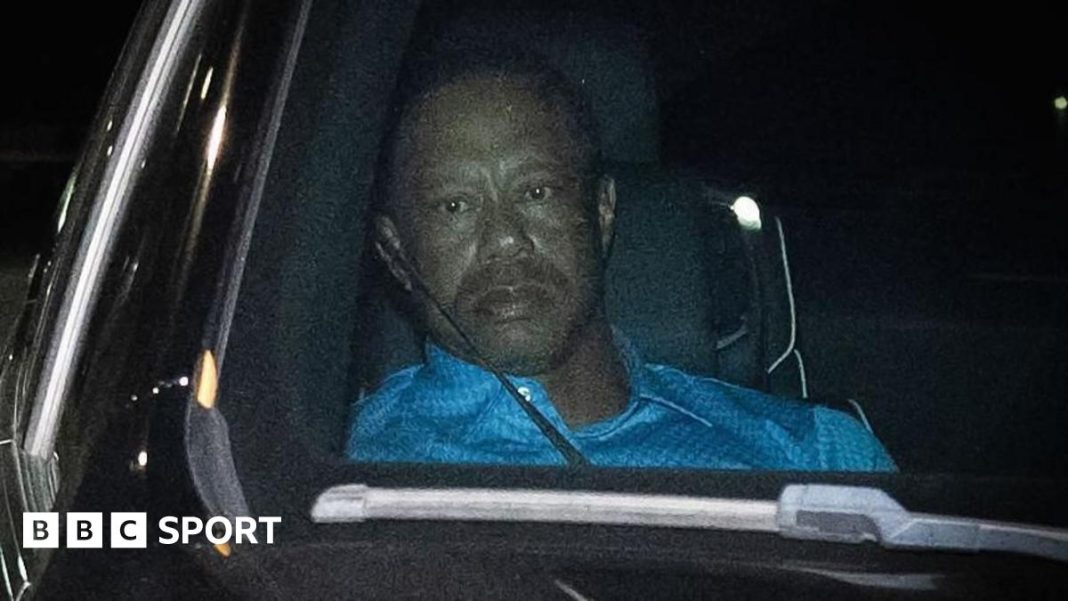
The roar of the crowd, the iconic fist pump, the almost mythical aura surrounding a figure who transcended sport itself – that’s the Tiger Woods many of us remember. But beneath the triumphs and the indelible mark left on golf, there’s always been a complex human story. So, when fellow golf star Jason Day called Tiger Woods’s infamous drunk driving incident “a little bit selfish,” it wasn’t just a casual remark; it was a potent needle piercing through the layers of idol worship and public expectation, forcing us to confront the uncomfortable truths.
The Icon’s Fall and the Weight of Others’ Hopes
Tiger Woods wasn’t just a golfer; he was a phenomenon, a cultural touchstone. His return to the top, his struggles with injury, his personal tribulations – all played out under an intense global spotlight. When news broke of his DUI arrest, the collective gasp wasn’t just for a star in trouble, but for a legend seemingly spiraling. Day’s use of “selfish” isn’t a throwaway insult; it speaks to the immense weight of expectation and the ripple effect of a public figure’s actions.
Consider the myriad people impacted by Woods’s choices. There are the fans, who invested emotionally in his journey, finding inspiration in his resilience. There are the sponsors, who built entire campaigns around his image. There’s the sport of golf itself, which arguably owes a significant portion of its global reach to Woods’s undeniable charisma and skill. For someone of Tiger’s stature, every stumble, every misstep, isn’t just a personal failing; it feels like a collective letdown, a betrayal of the hope and admiration he inspired.
From a peer’s perspective, like Day’s, “selfish” might also stem from a deep understanding of the sacrifices and discipline required to reach the pinnacle of the sport. To see such talent, such a legacy, jeopardized by a preventable act could be seen as an almost willful disregard for the gifts one possesses and the platform one has been given. It implies a sense of squandered potential, not just for himself, but for what he represents to others striving for greatness.
Beyond the Headlines: Empathy, Accountability, and the Human Cost
Of course, it’s crucial to acknowledge the human element behind the headlines. Woods himself stated he was struggling with prescription medications for chronic pain, a battle many can empathize with. The road to recovery, both physical and personal, is often fraught with missteps. Yet, Day’s comment pulls us back to the stark reality of accountability, especially when the actions in question carry such inherent risks.
Driving under the influence isn’t merely a personal flaw; it’s a profound public danger. It jeopardizes not only the driver’s life but also the lives of innocent others. This is where the concept of “selfishness” truly hits home. As one long-time golf enthusiast, Sarah Chen, put it, “It’s tough because you want to root for your heroes, but when their choices put others at risk, it’s hard to separate the legend from the responsibility. You hope for their well-being, but you also demand accountability for actions that could have had devastating consequences.”
The sentiment isn’t necessarily about condemnation, but perhaps a frustrated plea for self-preservation and responsible conduct. It’s a call for Tiger to be better, not just for the game or for his fans, but for himself, to protect the incredible life and talent he possesses. The expectation isn’t just about winning tournaments; it’s about navigating the immense pressures of fame with a clear head and a sense of duty, both to oneself and to the public trust.
The Complexities of Adulation and Disappointment
Ultimately, Jason Day’s comment serves as a powerful reminder of the intricate relationship between public figures and their audience. We elevate them, we invest in them, and in return, we often hold them to a higher, sometimes unattainable, standard. When they fall, the disappointment is amplified, often mixed with genuine concern and a desire for them to overcome their challenges.
Calling Tiger’s actions “selfish” isn’t about shaming; it’s about articulating the profound impact a public icon’s personal struggles can have on the collective psyche. It’s a nuanced reflection on the responsibilities that come with immense fame and the quiet frustration of peers who witness a legend wrestling with his demons. It reminds us that even heroes are human, but their humanity, for better or worse, is lived under a magnifying glass, with every action carrying a weight far beyond their own immediate sphere.

