


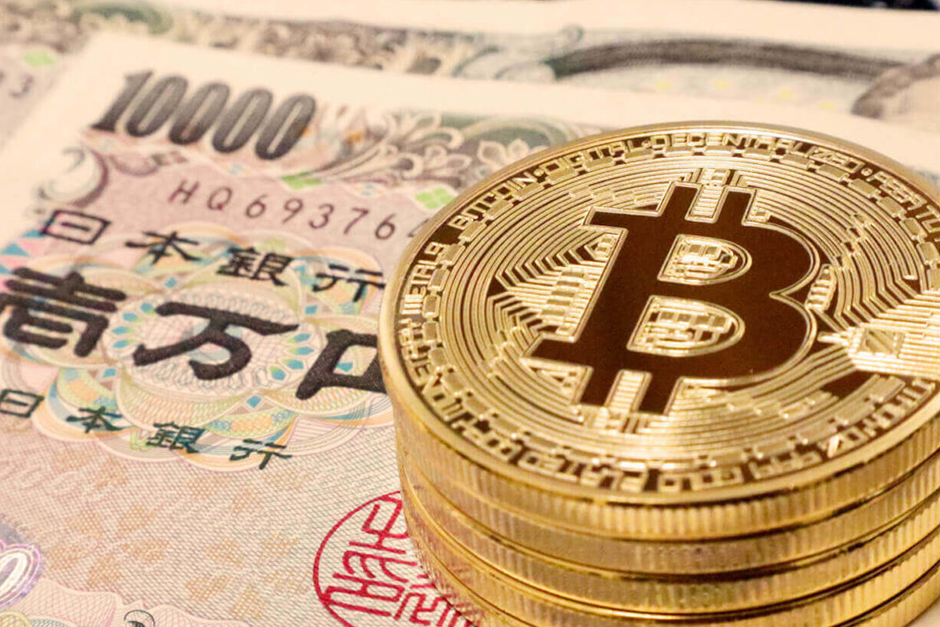
In the vast, interconnected world of global finance, sometimes the most significant tremors originate from seemingly quiet corners. For years, Japan has been that corner, a beacon of ultra-low interest rates that quietly fueled a massive, speculative trade across the globe. But now, as the Bank of Japan shifts gears, a seismic change is underway, and its ripples could reach even the most volatile corners of our portfolios, including Bitcoin.
The “Cheap Yen” That Powered Global Bets
Imagine you could borrow money for next to nothing, then take that money and invest it somewhere else where you earn a much higher return. This, in essence, is the “yen carry trade” – a strategy that has been a bedrock of global finance for decades. With Japan maintaining near-zero or even negative interest rates for an extended period, the Japanese yen became the go-to currency for borrowing cheaply.
Investors would borrow trillions of yen, convert it into U.S. dollars, Euros, or other currencies, and then invest in higher-yielding assets. This wasn’t just about government bonds; a significant portion flowed into riskier ventures, from emerging market equities to high-flying tech stocks, and yes, even cryptocurrencies like Bitcoin. The logic was simple: free money from Japan meant more capital to chase returns elsewhere, often in assets with higher risk-reward profiles.
The “cheap yen” acted like a giant financial pump, injecting liquidity into various markets worldwide. As long as Japanese rates stayed low, the party could continue, and the cost of maintaining these carry trades remained negligible, encouraging even more speculative ventures.
Japan Changes Course: The Unraveling Begins?
The music, however, is starting to change. The Bank of Japan recently took a historic step, ending its negative interest rate policy and adjusting its yield curve control. This might sound like arcane central banking speak, but its implications are profound. It means borrowing yen is no longer virtually free. The cost of carrying those yen loans is set to rise.
For the investors who borrowed vast sums of yen, this shift changes the calculus entirely. The once comfortable spread between their borrowing costs and investment returns is narrowing, or in some cases, might even vanish. The immediate reaction for many carry traders will be to unwind these positions – to sell off the assets they bought with borrowed yen, convert the proceeds back into yen, and repay their loans before the cost becomes prohibitive.
“For years, the yen carry trade was a comfortable cushion for investors chasing higher returns abroad,” explained market strategist Aya Tanaka. “Now, that cushion is deflating, and many are finding they need to pull back their chips from riskier tables to cover their original bets. It’s less about panic and more about sensible risk management in a changing rate environment.” This isn’t just a theoretical exercise; it’s a real-world financial imperative for massive funds.
Bitcoin in the Crosshairs: Why Risk Assets Feel the Squeeze
So, what does this have to do with Bitcoin? Cryptocurrencies, particularly Bitcoin, are often viewed as “risk-on” assets. They tend to perform well when liquidity is abundant, investor sentiment is bullish, and the appetite for risk is high. Conversely, when global liquidity tightens, interest rates rise, and investors become more risk-averse, assets like Bitcoin are often among the first to feel the selling pressure.
As carry traders unwind their positions, they’re not going to sell their safest, most liquid assets first. They’ll likely start with their riskier, more volatile holdings – assets that have seen significant gains but could also suffer sharp reversals. Bitcoin, with its history of dramatic price swings and its position outside traditional financial hedges, fits this description perfectly.
The flow of cheap yen helped inflate various asset bubbles, and as that flow reverses, we could see deflationary pressure across a range of investments. It’s a chain reaction: higher yen rates lead to carry trade unwinding, which leads to selling of risk assets, potentially impacting Bitcoin’s price. This isn’t a guaranteed crash, but it introduces a significant new headwind that wasn’t present before.
The Unseen Threads of Global Finance
The story of Japan’s interest rate hike and its potential impact on Bitcoin is a powerful reminder of how deeply interconnected our global financial system truly is. A policy decision in Tokyo, seemingly distant from the volatile world of crypto, can send ripples that affect everyone from institutional investors to individual Bitcoin holders. As the world navigates a new era of monetary policy, keeping an eye on these unseen threads of global finance will be crucial for understanding market movements and making informed investment decisions. The “cheap yen” era might be over, and its unraveling could reshape the landscape for risk assets like Bitcoin.

