


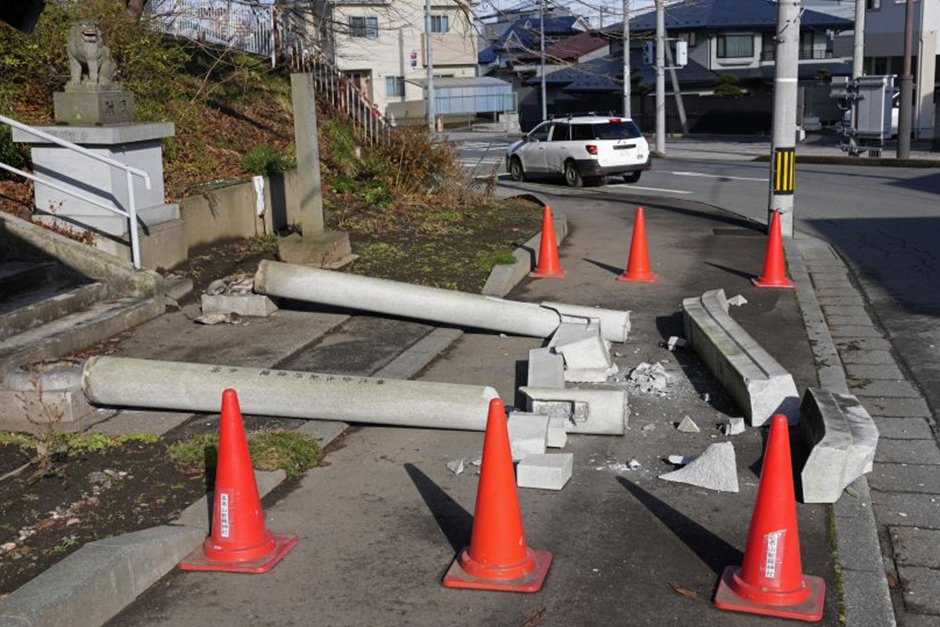
Japan, a nation perpetually balancing on the seismic edge of the Pacific Ring of Fire, found itself once again shaken by the earth just days after a devastating New Year’s Day earthquake. On January 9, 2024, the Noto Peninsula in Ishikawa Prefecture, still reeling from the aftermath of a powerful 7.6 magnitude tremor, experienced another significant jolt – a magnitude 5.3 earthquake. This latest event, while considerably weaker than its predecessor, served as a stark reminder of the ongoing instability in the region and the immense challenges facing recovery efforts.
For Indian readers observing from afar, Japan’s relentless struggle against nature’s fury resonates deeply, reflecting shared vulnerabilities to natural disasters and the universal quest for resilience. TrendLyric.com brings you an update on the evolving situation in Japan.
Latest Tremors and Immediate Relief
The 5.3 magnitude earthquake struck at approximately 5:32 PM local time, with its epicentre located off the coast of the Noto Peninsula at a relatively shallow depth. The Japan Meteorological Agency (JMA) swiftly confirmed that there was no tsunami warning issued following these tremors, a crucial distinction from the initial 7.6 magnitude quake that had triggered major tsunami alerts and coastal evacuations. Despite the lack of a tsunami threat, residents in Ishikawa and neighbouring prefectures reported strong shaking, adding to the psychological strain of living in a highly active seismic zone.
Authorities were quick to assess the situation. Initial reports indicated no immediate major damage or casualties directly attributable to this specific 5.3 magnitude event. However, emergency services remain on high alert, as even moderate aftershocks can exacerbate damage to already compromised structures and trigger landslides in areas with loosened soil. The primary focus continues to be on the search and rescue operations for the missing from the New Year’s Day disaster, making every new tremor a potential setback to these critical efforts.
Aftershocks and the Lingering Shadow of New Year’s Day
The 7.6 magnitude earthquake that struck on January 1st has left a trail of widespread destruction across the Noto Peninsula. Roads have been severed, houses toppled, and critical infrastructure, including water and power lines, severely damaged. The official death toll has tragically climbed, and hundreds remain injured or displaced, seeking refuge in evacuation centres. The region has since been experiencing a relentless barrage of aftershocks, with the JMA recording hundreds of tremors, many of which are perceptible and strong enough to cause further anxiety and minor damage.
The persistent seismic activity makes recovery a perilous and painstaking process. Search and rescue teams face immense logistical challenges, navigating impassable roads and the constant threat of collapsing buildings or landslides. Access to remote communities remains difficult, hampering the delivery of essential supplies like food, water, and medical aid. The sheer scale of the initial quake, coupled with the ongoing aftershocks, underscores the precarious situation for thousands of residents.
Speaking on the ongoing seismic activity, Dr. Kenji Tanaka, a seismologist based in Tokyo, emphasized the natural yet challenging pattern: “It is common for major earthquakes to be followed by a long sequence of aftershocks, some of which can be quite strong. This period of instability is incredibly stressful for residents and complicates all aspects of recovery and reconstruction efforts.” His words highlight the dual crisis Japan currently faces: immediate disaster response compounded by persistent geological unrest.
Japan’s Unwavering Resilience and Global Lessons
Despite the formidable challenges, Japan’s renowned preparedness and the resilience of its people are once again evident. The nation’s stringent building codes, sophisticated early warning systems, and well-drilled emergency response protocols are globally recognized benchmarks. While even these advanced measures were severely tested by the New Year’s Day quake, they undoubtedly mitigated what could have been an even greater catastrophe.
The global community, including India, watches Japan with empathy and admiration. For a country like India, which also contends with seismically active regions and diverse geographical challenges, Japan’s methodical approach to disaster management offers invaluable insights. From earthquake-resistant construction techniques to public awareness campaigns and rapid response mechanisms, there are profound lessons to be learned and adapted. This shared experience underscores a collective global responsibility to enhance preparedness and foster international cooperation in disaster risk reduction.
As Japan continues its arduous journey towards recovery amidst ongoing tremors, the nation exemplifies an unwavering spirit. The road ahead is long, requiring immense resources, coordinated efforts, and persistent courage. However, with its robust infrastructure, dedicated emergency services, and the indomitable will of its people, Japan is meticulously working to rebuild and recover, one tremor at a time.

