


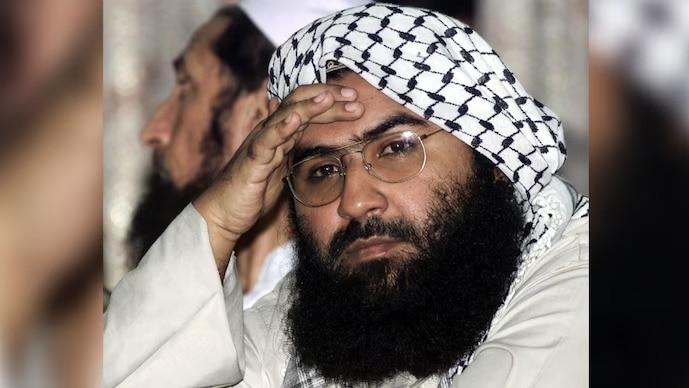
In a development that has sent ripples through counter-terrorism circles and intelligence agencies, Mufti Rauf Asghar, the younger brother of notorious Jaish-e-Mohammed (JeM) chief Masood Azhar, has reportedly died under mysterious circumstances in Pakistan. While official confirmation from Islamabad remains elusive, multiple unverified reports suggest his demise, sparking intense speculation about the causes and potential ramifications for the banned terror outfit and regional security.
The death, if confirmed, marks another in a series of shadowy demises of prominent terror figures on Pakistani soil, often shrouded in secrecy and lacking transparency. For India, which has long grappled with the menace of JeM and its architects like Masood Azhar, this news carries significant implications, underscoring the volatile and opaque landscape of Pakistan’s handling of internationally designated terrorists.
The Azhar Family and JeM’s Operational Network
Mufti Rauf Asghar was not merely a sibling; he was widely considered a key operational commander and ideologue within Jaish-e-Mohammed. Often seen as Masood Azhar’s right-hand man, Asghar played a crucial role in the group’s finances, recruitment, and planning of terror activities. His name has frequently surfaced in connection with major attacks targeting India, including the 2001 Indian Parliament attack, the 2016 Pathankot airbase assault, and the horrific 2019 Pulwama attack, which brought India and Pakistan to the brink of war.
The Azhar family forms the very core of JeM’s leadership. Beyond Masood Azhar and Mufti Rauf Asghar, other brothers and relatives have been integral to the organisation’s structure, ensuring its continuity and operational capabilities despite international sanctions and pressure. Rauf Asghar, in particular, was believed to have taken on a more prominent role in running JeM’s affairs as Masood Azhar reportedly suffered from ill health. His alleged death thus represents a potential vacuum in the group’s top echelons, although the deeply entrenched nature of such outfits often allows for quick succession.
Mysterious Circumstances and Unanswered Questions
The circumstances surrounding Mufti Rauf Asghar’s reported death are, perhaps, the most intriguing aspect of this development. Reports from local sources and intelligence inputs vary wildly, ranging from natural causes to more sinister theories involving internal rivalries, foreign intelligence operations, or even a covert cleanup by Pakistani state actors under international pressure. What remains consistent across these narratives is the complete lack of official acknowledgment or investigation from the Pakistani government.
Such mysterious deaths of anti-India terror commanders in Pakistan are not unprecedented. Several figures linked to Lashkar-e-Taiba, JeM, and other outfits have met similar fates over the years, with their deaths seldom clarified by Pakistani authorities. This pattern contributes to a climate of suspicion and fuels speculation, particularly from an Indian perspective, regarding the true dynamics at play within Pakistan’s complex relationship with terror groups operating from its soil.
The opacity surrounding these incidents highlights the challenge in holding Pakistan accountable for its counter-terrorism commitments. “The lack of transparency around the deaths of high-profile terrorists in Pakistan is a recurring issue,” commented a prominent security analyst based in New Delhi. “While such events may temporarily disrupt terror networks, the absence of official confirmation or investigation makes it impossible to ascertain whether these are genuine crackdowns, internal purges, or merely convenient eliminations. It certainly doesn’t foster trust or indicate a genuine shift in policy.”
Potential Implications for Jaish-e-Mohammed and Regional Security
Should Mufti Rauf Asghar’s death be definitively confirmed, it could have several implications for Jaish-e-Mohammed. On one hand, the loss of a key operational figure and Masood Azhar’s trusted confidant could create a temporary leadership vacuum and operational disarray. It might force the group to rethink its command structure or even lead to internal power struggles. On the other hand, terror outfits are often resilient, and another family member or senior commander might swiftly step in to fill the void, ensuring the continuity of the group’s agenda.
For India, the death of a senior JeM figure, irrespective of the cause, is a development that merits close observation. While it might offer a momentary respite, the fundamental challenge of terrorism emanating from Pakistan’s soil persists as long as Masood Azhar and other designated terrorists remain shielded or their networks allowed to fester. The global community will continue to watch how Pakistan handles such incidents, and whether it translates into any tangible action against the terror infrastructure that has historically plagued the region.
Ultimately, Mufti Rauf Asghar’s alleged death adds another layer of intrigue to the already convoluted narrative of terrorism in South Asia. While the full truth may never emerge from the shadows of Pakistan, the event serves as a stark reminder of the ongoing complexities and the relentless struggle against terror groups whose leadership often operates with impunity.

