


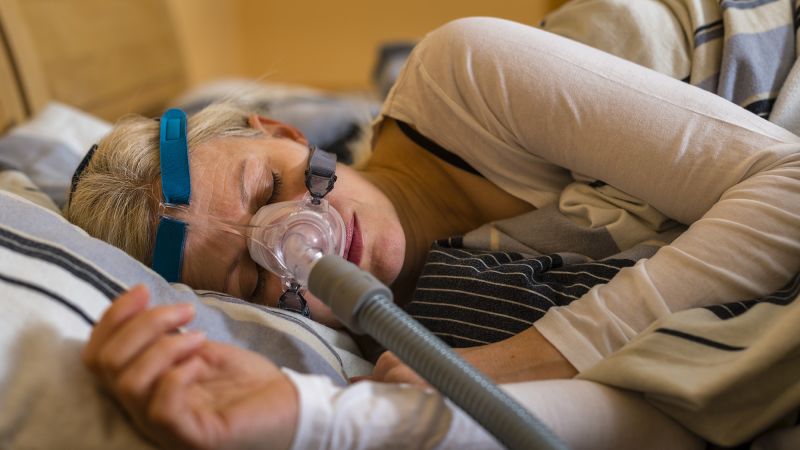
Let’s be honest: for many, the phrase “CPAP machine” doesn’t exactly conjure images of blissful slumber. More often, it brings to mind struggles with uncomfortable masks, the whir of air, or that feeling of being tethered to a bedside device. It’s perfectly okay if you’re not thrilled about your CPAP; you’re far from alone in that sentiment.
However, beneath the surface of these common complaints lies a crucial, often overlooked reality: untreated sleep apnea isn’t just about feeling tired or snoring loudly. It carries significant health risks, and one of the most concerning involves tiny, silent assaults on your brain: micro brain bleeds.
The Love-Hate Relationship with Your CPAP
If you’ve been prescribed a CPAP (Continuous Positive Airway Pressure) machine, you’ve likely experienced some of the challenges firsthand. The quest for the perfect mask can feel endless, the air pressure might be difficult to adjust to, and the noise can be disruptive. Some find it claustrophobic, while others battle with dry mouth or nasal irritation. These aren’t minor inconveniences; they can significantly impact adherence, making the idea of giving up seem tempting.
Understanding why your CPAP experience might be frustrating is important. It acknowledges your struggle. But what’s even more crucial is understanding why persisting with treatment is so vital, despite these hurdles.
Beyond Snoring: The Silent Threat to Your Brain
Sleep apnea is more than just an annoyance. It’s a serious medical condition where breathing repeatedly stops and starts during sleep. These pauses, called apneas, cause your oxygen levels to drop, triggering a cascade of stress responses in your body, including surges in blood pressure. This constant, nightly cycle of oxygen deprivation and blood pressure spikes takes a heavy toll, especially on your brain.
Recent research has shed light on a particularly alarming consequence: an increased risk of micro brain bleeds. These aren’t the large, catastrophic bleeds associated with strokes, but rather microscopic ruptures in the tiny blood vessels deep within the brain. While individually small, their cumulative effect can be significant. They can impair cognitive function, affect memory, and over time, contribute to conditions like dementia and increase the risk of future strokes.
“The constant cycle of oxygen drops and surges in blood pressure during untreated sleep apnea puts incredible stress on the brain’s delicate vascular system, making these tiny bleeds a concerning, silent consequence,” noted Dr. Evelyn Reed, a neurologist specializing in sleep disorders, highlighting the insidious nature of the damage.
This isn’t just about feeling groggy; it’s about preserving your long-term brain health and cognitive abilities.
Navigating Treatment: Options and Outlook
So, what’s the takeaway? Don’t abandon your treatment because of discomfort. Instead, see it as a problem to solve in partnership with your healthcare provider. There are numerous strategies to make CPAP therapy more tolerable:
- Mask adjustments: Different styles, sizes, and materials exist. Experiment until you find one that fits comfortably without leaks.
- Machine settings: Your doctor can adjust pressure, add humidification, or change ramp settings to ease into therapy.
- Oral appliances: For some with mild to moderate sleep apnea, custom-fitted dental devices can help reposition the jaw and tongue.
- Lifestyle changes: Weight loss, avoiding alcohol before bed, and positional therapy (sleeping on your side) can significantly reduce apnea severity.
- Surgical options: In specific cases, surgical procedures may be considered.
Your brain is an incredible organ, and protecting it from preventable damage is paramount. While your dislike for your CPAP machine is valid, the potential long-term consequences of untreated sleep apnea, including micro brain bleeds, underscore the importance of finding a treatment solution that works for you. Talk openly with your doctor about your struggles; together, you can find a path toward better sleep and a healthier future.
—

