


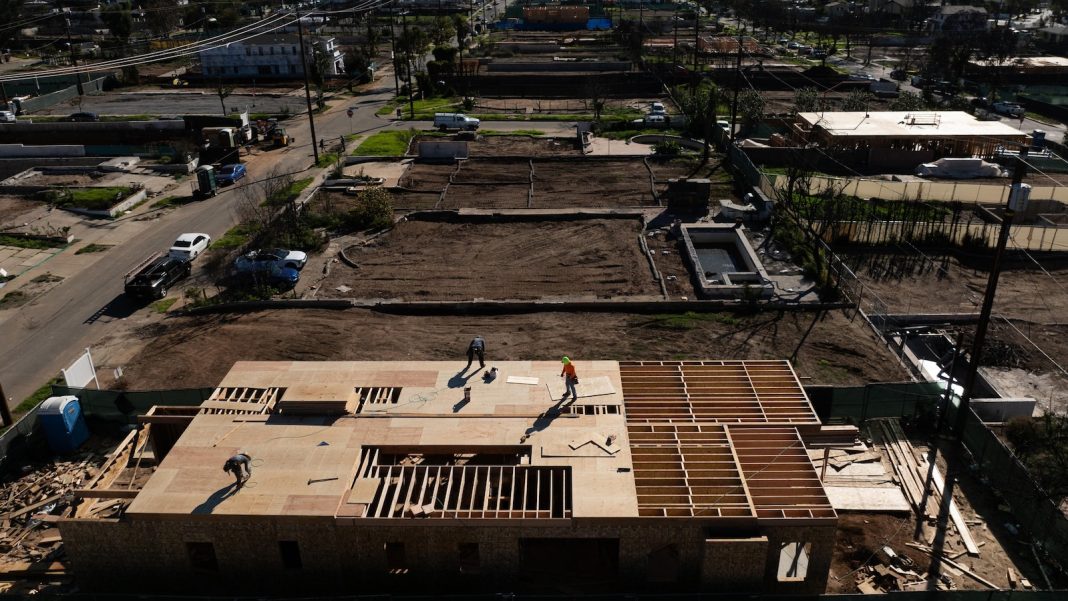
A year ago, the hillsides of the LA area glowed with a terrifying orange, as wildfires tore through communities, reducing thousands of homes and countless dreams to ash. The images of those fires are seared into our collective memory – a stark reminder of nature’s raw power. Today, a year later, those scars are still vividly etched, not just on the scorched landscape but in the hearts and minds of those who lost everything. While the news cycles have moved on, the grim reality for many remains frozen in time: barely a dozen homes have been rebuilt.
The Labyrinth of Rebuilding: More Than Just Bricks and Mortar
For those outside the immediate impact zone, the slow pace of recovery might be baffling. Why, after a full year, are so few families back in their homes? The answer, as many have discovered, is a complex web of challenges that extends far beyond simply laying a new foundation. It begins with
insurance companies, often overwhelmed by the scale of claims, leading to frustratingly long processing times and disputes over valuations. Homeowners frequently find themselves underinsured, facing a significant gap between what they receive and the true cost of rebuilding.
Then there’s the formidable hurdle of
permitting and regulations. Rebuilding in fire-prone areas now comes with stricter, more expensive fire-resistant building codes and extensive environmental reviews. Each jurisdiction, whether city or county, has its own unique set of rules, creating a bureaucratic labyrinth that can take months, sometimes even a year, to navigate before a single shovel can break ground. “It feels like we’re not just rebuilding a home, but fighting an entire system designed to slow us down at every turn,” lamented one homeowner, who wished to remain anonymous, expressing a sentiment echoed by many.
Add to this the sheer logistics: the painstaking process of
debris removal, which can be costly and specialized due to hazardous materials. Then comes the demand for skilled labor and materials, which drives up costs in an already strained market. All these factors combine to create a perfect storm, transforming the dream of returning home into an exhausting, drawn-out battle against an unseen enemy: the system itself.
The Unseen Scars: A Community in Limbo
Beyond the logistical nightmares lies the profound human cost. For thousands of families, a year hasn’t brought closure or a fresh start; it has brought a protracted period of displacement and emotional trauma. Many are living in temporary housing, constantly moving, or facing commutes that stretch their finances and patience to breaking point. The sense of community, once vibrant and tight-knit, has been fractured as neighbors scatter, unable to rebuild simultaneously.
The mental and emotional toll is immense. The initial shock and grief of loss gradually morphs into chronic stress, anxiety, and a feeling of powerlessness. The constant battle with paperwork, the endless waiting, and the financial strain can be as devastating as the fire itself. Children are dislocated from schools and friends, adding another layer of disruption to lives already turned upside down. The absence of visible progress on the ground serves as a daily, painful reminder that for many, the disaster is far from over.
Hope Flickers Amidst the Rubble
While the statistics are sobering, the human spirit, remarkably, endures. Community groups and non-profits continue to work tirelessly, offering support, guidance, and advocacy. Homeowners, despite their frustrations, share advice and resources, forming new bonds forged in shared adversity. The few homes that have risen from the ashes stand as powerful, albeit rare, symbols of resilience and the eventual triumph over overwhelming odds.
A year has passed since the flames subsided, yet for thousands, the fire continues to burn in a quieter, more insidious way. The slow pace of rebuilding isn’t just a construction problem; it’s a testament to the profound complexities of modern disasters and a poignant reminder that recovery is a marathon, not a sprint. As the LA area looks to the future, it must confront not only the threat of fire but also the systemic hurdles that prevent its citizens from rebuilding their lives and reclaiming their homes.
*

