


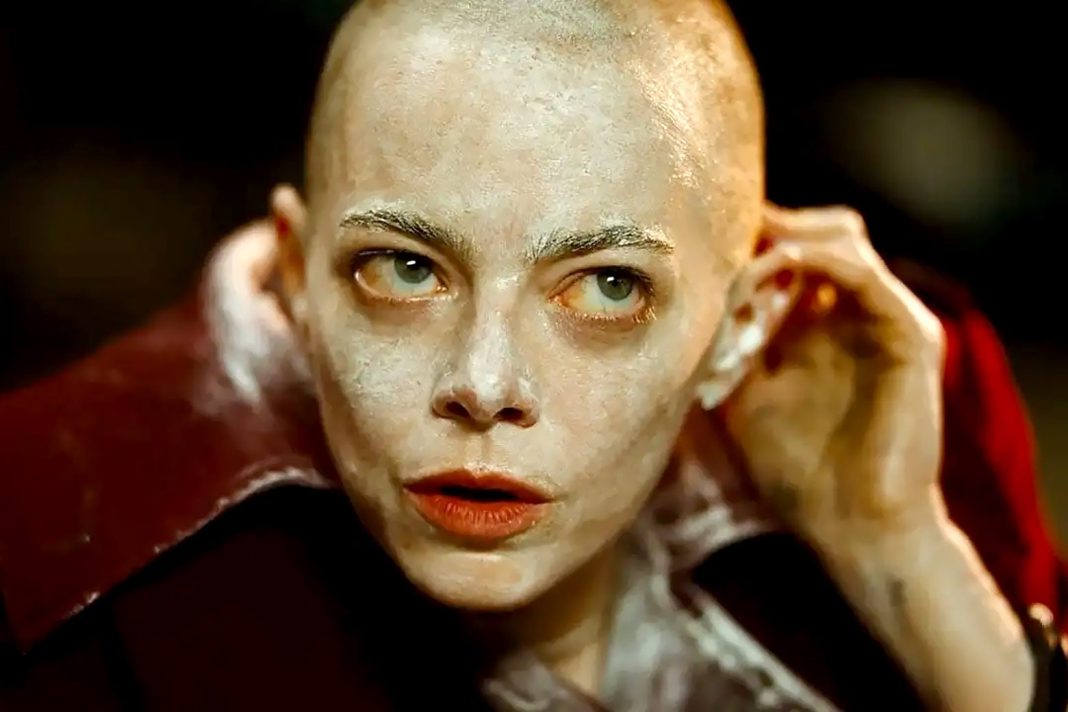
You know that feeling, right? That collective gasp of awe from critics, the enthusiastic whispers of friends, the inevitable “It’ll be nominated for every Oscar!” declaration. And then you see it. You sit through two hours, maybe three, of what’s heralded as a cinematic masterpiece, a groundbreaking work of art destined for the history books… and you just… didn’t like it. In fact, you might have downright hated it. Welcome to the club. It’s a surprisingly large, yet often silent, gathering of moviegoers who find themselves completely at odds with the critical consensus.
The Unimpeachable Artistry (That Just Didn’t Land for Me)
Here’s the rub: we’re not talking about objectively “bad” movies here. Oh no. Those are easy to dismiss. The films that spark this particular brand of internal conflict are often technically brilliant. The cinematography is breathtaking, the acting is raw and powerful, the score is evocative, and the director’s vision is undeniable. My brain knows it’s good. My intellect can appreciate the intricate layers of storytelling, the profound themes, the sheer effort and talent poured into every frame. Yet, my gut remains stubbornly unimpressed, perhaps even actively repulsed. It’s like being served a Michelin-star meal when you’re secretly craving a really good burger – you can acknowledge its artistry, but it just doesn’t hit your personal spot.
It’s a fascinating paradox. How can something be so universally lauded for its quality, yet leave you feeling utterly cold, bored, or even annoyed? My friend, a budding film student, once told me, “Sometimes a film can be technically perfect, ticking every box for cinematography and performance, yet still miss that intangible emotional resonance for an individual viewer. It’s not a flaw in the film, nor in the viewer, but simply a mismatch of frequencies.” And that, I think, perfectly encapsulates the feeling.
When “Great” Just Means “Not for Me”
So, what causes this disconnect? It’s rarely a conscious choice to dislike a film; it just happens. Sometimes, it’s the pacing – a slow burn might be lauded as “meditative” but feel like a slog to someone who prefers a more dynamic narrative. Other times, it’s the tone – a bleak, unrelenting realism might be praised for its unflinching honesty, while you just want a little glimmer of hope or a moment of levity. The characters, the themes, the overall
And let’s be honest, there’s a certain pressure that comes with disliking an Oscar darling. You feel like you’re missing something, like you’re not sophisticated enough to “get” it. You scroll through glowing reviews and nod along, pretending to understand the profound artistic statement everyone else seems to be raving about, while internally screaming, “But it was so boring!” It’s okay. Truly. Art is meant to provoke a reaction, and sometimes that reaction is a resounding “Meh,” or even an emphatic “No, thank you.”
It’s Okay to Be the Odd One Out
The beauty of art, especially cinema, is its immense diversity. What one person finds deeply moving, another might find completely tedious. What one critic praises as bold, another viewer might experience as pretentious. There’s no single, correct way to experience a film, and certainly no rule that says your personal enjoyment must align with a statuette-wielding panel of industry experts. Your opinion is valid. Your feelings are real. And frankly, it’s liberating to admit when a supposed masterpiece just didn’t work for you. In a world full of algorithms trying to tell us what we should like, owning our genuine, unvarnished reactions is a small act of rebellion. So next time a “masterpiece” leaves you cold, don’t fret. Find your fellow cinematic contrarians, share your unpopular opinion, and know you’re not alone.
*

