


Quick Summary
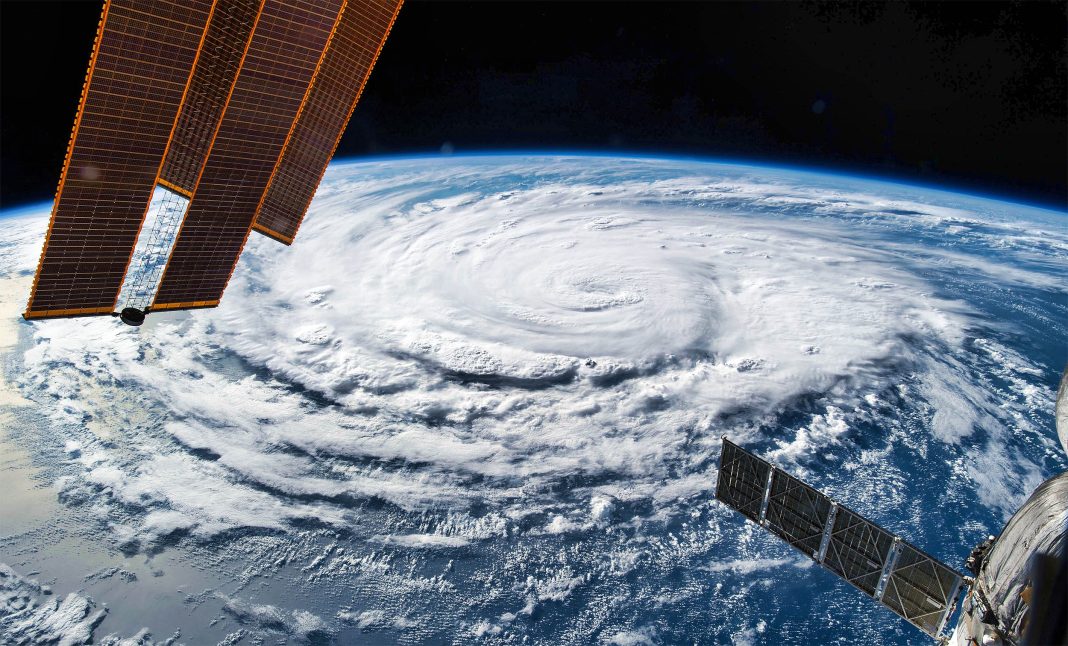
Scientists have identified a new, never-before-seen atmospheric event occurring 55 miles above Earth. Detected by International Space Station (ISS) sensors, this disturbance involves intense, fast-moving plasma flows in the lower thermosphere, a region critical for satellite communications.
What Happened
Researchers at the University of Arizona, utilising data from the ISS’s Vector Electric Field Instrument (VEFI), observed powerful horizontal plasma flows at approximately 90 kilometers (55 miles) altitude. These flows are exceptionally fast, moving at tens of kilometers per second, and are significantly more concentrated than any previously recorded plasma movements in this ionospheric region.
Why It Matters
This discovery enhances our understanding of Earth’s upper atmosphere and its interaction with space weather. Such intense plasma disturbances can have significant implications for critical technologies, potentially disrupting satellite communications and GPS navigation. Understanding these events is vital for mitigating their impact.
As lead author Dr. Jianlei Zhang stated, "It’s a new phenomenon, and it’s exciting to see what else we can uncover about Earth’s upper atmosphere."
Bottom Line
The ISS’s identification of these unique plasma flows represents a significant advancement in our comprehension of Earth’s ionosphere. Further study will be essential to fully understand their causes and potential effects on our planet and technological infrastructure.

