


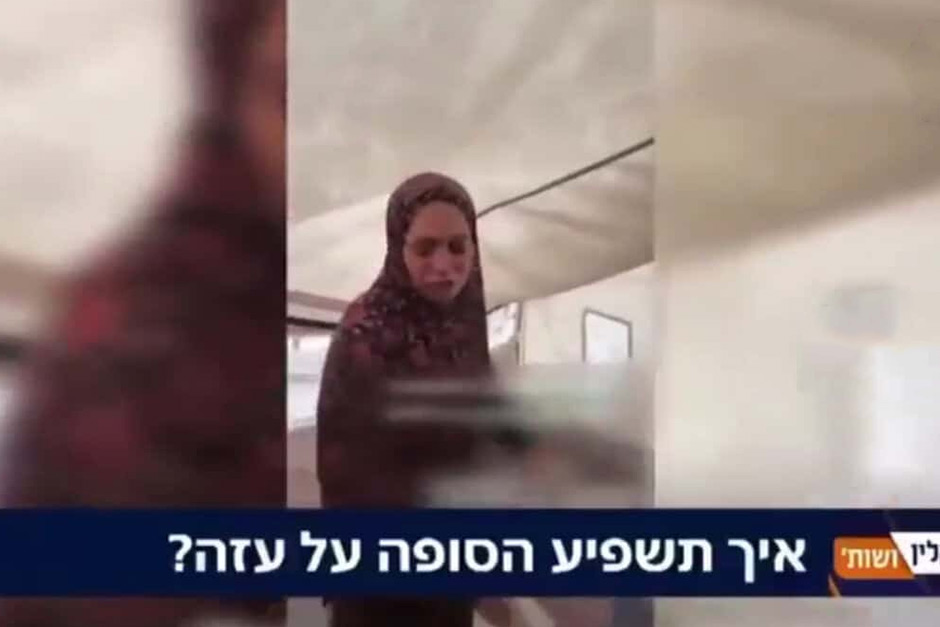
The Israel-Palestine conflict is a tapestry woven with complex political, historical, and humanitarian threads, often bringing to the fore stark realities of human suffering. Amidst this backdrop, an incident involving an Israeli television channel host has recently ignited significant debate, particularly concerning the ethical boundaries of media conduct during times of crisis. The host’s public mockery of the winter hardships faced by residents in the Gaza Strip has drawn widespread condemnation, prompting discussions about empathy, media responsibility, and the human cost of protracted conflict.
The Provocative Broadcast and Gaza’s Plight
The controversy emerged from a broadcast on an Israeli television channel where the host, during a segment, appeared to sarcastically imitate the conditions of Gaza residents grappling with the harsh winter. Reports indicate the host engaged in actions perceived as ridiculing the lack of proper shelter, heating, and essential provisions for those in the besieged Palestinian territory. This act, coming at a time when Gaza faces an exacerbating humanitarian crisis, quickly went viral across social media platforms, sparking outrage.
To understand the depth of this reaction, it’s crucial to contextualize the situation in Gaza. The Strip, a densely populated enclave, has endured years of blockade, limiting the flow of goods, reconstruction materials, and humanitarian aid. The recent conflict has further devastated its infrastructure, leaving a significant portion of the population displaced, their homes destroyed or severely damaged. For hundreds of thousands, winter brings not just cold but a perilous struggle for survival, with inadequate housing, scarce fuel for heating, and limited access to medical care. From an Indian perspective, where natural calamities and socio-economic disparities often highlight the vulnerabilities of communities, such a portrayal of suffering can be particularly jarring. India, with its long-standing commitment to humanitarian principles, often advocates for compassionate responses to global crises, and the mocking of such severe human plight contrasts sharply with these values.
Waves of Condemnation and Ethical Questions
The reaction to the Israeli host’s actions was swift and severe. Palestinian officials denounced the segment as dehumanizing and a stark display of insensitivity, especially given the ongoing suffering. Human rights organizations and international observers also voiced strong criticism, pointing to the ethical imperative for media outlets to uphold standards of respect and empathy, particularly when reporting on vulnerable populations in conflict zones. Social media became a platform for a torrent of condemnation, with users worldwide expressing disgust and disbelief at the perceived lack of compassion.
The incident has reopened critical discussions about the role of media during conflict. Is the media’s primary role to inform, or does it also carry a responsibility to foster understanding and empathy? When anchors, who hold significant public influence, engage in such actions, it risks fueling animosity and further polarizing public opinion. “Media, particularly in conflict situations, has a profound responsibility to report with accuracy and sensitivity, avoiding any actions that could exacerbate tensions or diminish the humanity of any group,” remarked a spokesperson for a prominent international media watchdog. This sentiment resonates strongly in India, a diverse democracy where media plays a crucial role in shaping narratives, and debates around ethical journalism, especially regarding sensitive communal or international issues, are frequent and robust. The incident serves as a stark reminder of how public discourse can be shaped – positively or negatively – by those entrusted with platforms.
Broader Implications for Dialogue and Empathy
Beyond the immediate controversy, this incident carries broader implications for fostering dialogue and understanding in a deeply fractured region. When figures in positions of influence mock human suffering, it can solidify negative stereotypes, hinder efforts towards peaceful resolution, and erode the already fragile foundations of trust between communities. It underscores the challenges of promoting empathy and recognizing shared humanity amidst entrenched conflict narratives.
For a global audience, including those in India observing the Middle East, such incidents highlight the enduring human cost of the Israel-Palestine conflict. They remind us that behind the geopolitical machinations are millions of lives profoundly affected, and their experiences deserve to be treated with dignity and respect. The incident serves as a critical case study on media ethics, demonstrating how powerful platforms, when misused, can inflict further harm and widen divisions rather than bridge them. It reinforces the urgent need for responsible journalism that prioritizes factual reporting, human dignity, and the pursuit of understanding over sensationalism or mockery.
The Israeli TV host’s mockery of Gaza’s winter hardships is more than just an isolated incident of poor taste; it’s a potent symbol of the challenges inherent in promoting empathy and responsible discourse during times of conflict. As the world continues to grapple with complex humanitarian crises, the spotlight remains firmly on media organizations and personalities to uphold the highest ethical standards, ensuring that human dignity and suffering are treated with the respect they deserve.

