


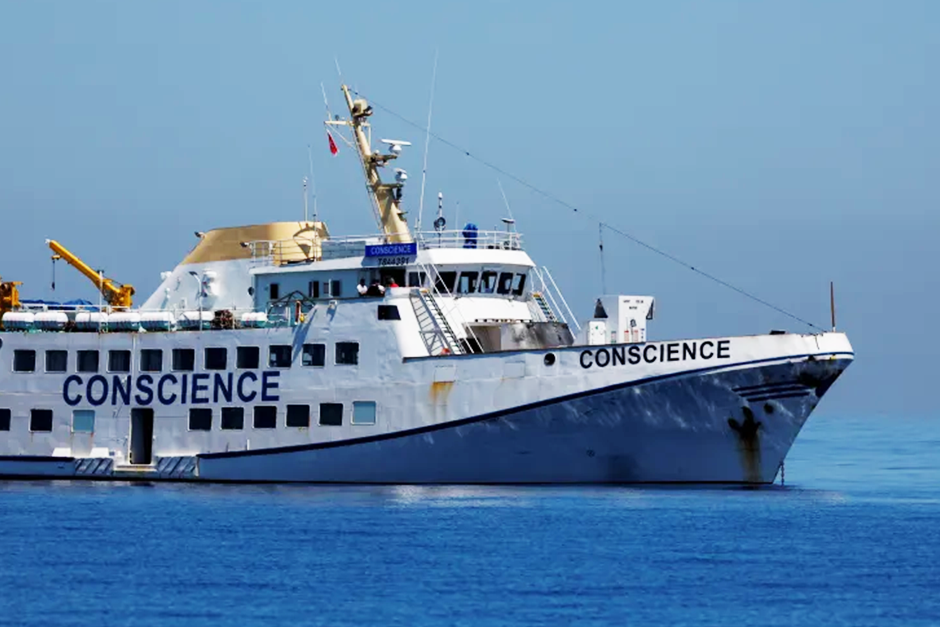
Here’s a look at the recurring and complex situation surrounding the Gaza Freedom Flotilla.
Once again, the headlines are buzzing with news from the Mediterranean Sea. Al Jazeera recently reported on the Israeli military’s interception of vessels belonging to the Gaza Freedom Flotilla. This isn’t just another news item; it’s a recurring event that shines a spotlight on one of the world’s most complex humanitarian and geopolitical dilemmas. Let’s break down what’s happening and why these stories continue to capture global attention.
What Happens During an Interception?
Imagine a group of civilian ships, loaded with aid and activists, sailing with a declared mission to reach Gaza. Then, in the open sea, they are met by military vessels. This is the scene that plays out repeatedly. According to reports, the Israeli navy boards these ships, often claiming the vessels ignored warnings to turn back. The activists on board, who maintain they are on a peaceful humanitarian mission, are then typically detained and the ships redirected, often to an Israeli port. The goods they carry, intended for Gaza, are usually confiscated or, in some cases, delivered through official channels after inspection. For the flotilla organizers, these interceptions are an illegal act in international waters, a violation of maritime freedom. For the Israeli military, it’s a necessary security measure against attempts to breach a legitimate blockade.
The Core Mission: Breaking the Blockade
So, why do these ships keep sailing despite the known risks? At its heart, the Gaza Freedom Flotilla aims to challenge and ultimately break the naval and land blockade imposed on the Gaza Strip. The activists, journalists, and politicians on board are driven by a desire to highlight the dire humanitarian situation in Gaza, where essential goods, medical supplies, and building materials are often scarce. They believe the blockade constitutes a form of collective punishment against Gaza’s two million residents, severely restricting their economy, infrastructure, and access to basic necessities. By attempting to deliver aid directly, they seek to provide tangible relief while also drawing international scrutiny to the blockade’s legality and its human cost. It’s a powerful symbolic act, designed to force a global conversation about the conditions in Gaza.
A Tightrope Walk: Security vs. Humanitarianism
The situation is a constant tension between two deeply held perspectives. From Israel’s vantage point, the blockade is a crucial security measure, intended to prevent the entry of weapons and materials that could be used by militant groups in Gaza. They argue that direct shipments, if unchecked, could be exploited to smuggle illicit goods, posing a direct threat to Israeli citizens. They maintain that humanitarian aid can and does enter Gaza through established land crossings, albeit under strict inspection. Conversely, the flotilla supporters and many international bodies argue that the blockade goes far beyond security needs, causing immense suffering and hindering any chance of sustainable development in Gaza. These interceptions, therefore, aren’t just about a few ships; they’re a microcosm of a much larger, ongoing debate about human rights, international law, and regional security in one of the world’s most volatile areas.
The news from Al Jazeera about the latest Gaza Freedom Flotilla interception is a stark reminder of the persistent challenges facing the region. It’s a story with no easy answers, highlighting the profound human impact of geopolitical disputes. As these ships continue their journeys and face interceptions, they ensure that the world’s gaze remains fixed on Gaza, prompting ongoing discussion about the paths to peace and humanitarian relief in a deeply fractured land.

