


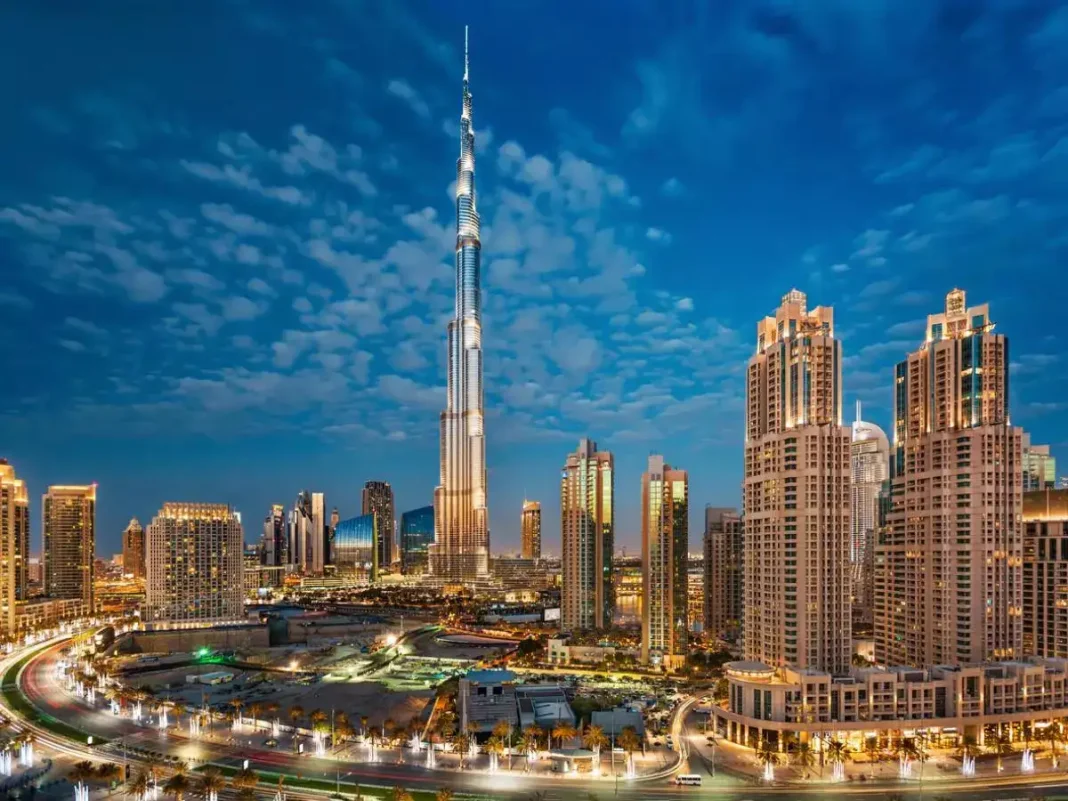
Dubai, a city synonymous with gleaming skyscrapers, unparalleled luxury, and a sense of futuristic calm, found itself at the centre of unusual speculation recently when reports of loud explosions reverberated across its bustling Downtown district. Home to iconic landmarks like the Burj Khalifa, the world’s tallest building, this unexpected development sent ripples of anxiety, particularly among its vast international population, including a significant Indian diaspora. While the immediate cause and nature of these sounds remained a subject of intense discussion, their occurrence against the backdrop of the escalating conflict between Israel and Hamas fuelled a palpable sense of unease, highlighting the interconnectedness of regional stability and global peace.
Reports from the Heart of Downtown Dubai
The reports, primarily emerging from social media and local resident accounts, spoke of distinct, powerful thuds heard across various parts of Downtown Dubai. Eyewitnesses described vibrations and sounds akin to explosions, causing momentary alarm in an area usually buzzing with tourists and residents going about their day. Instantaneously, platforms like X (formerly Twitter) were abuzz with individuals sharing their experiences, questioning the source of the noise. Speculation quickly pivoted towards the ongoing Israel-Hamas conflict, given the heightened geopolitical tensions gripping the Middle East.
However, official channels from the UAE government and local authorities were quick to address the concerns, often attributing such sounds to controlled demolitions, construction activities, or even sonic booms from military exercises in designated zones, which are not uncommon in the region. While such explanations aim to quell public anxiety, the sheer volume and widespread nature of the latest reports underscored the public’s sensitivity to any unusual activity during these volatile times. The mere perception of an incident, irrespective of its actual cause, can significantly impact morale and create apprehension, especially for those with families and investments in the region.
Regional Jitters and India’s Vital Stake
The Israel-Hamas war has plunged the Middle East into one of its most precarious periods in recent history, sending shockwaves far beyond the immediate conflict zone. For nations like India, with deep historical, economic, and human ties to the Gulf, these developments are monitored with particular vigilance. The UAE, in particular, hosts over 3.5 million Indian expatriates, making it a home away from home for a massive segment of India’s workforce and business community. Many of these individuals reside and work in areas like Downtown Dubai, contributing significantly to both the UAE’s economy and India’s through remittances.
The prevailing atmosphere of uncertainty, therefore, directly impacts the peace of mind and economic prospects of millions of Indian families. Any perceived threat to the stability of the UAE, a vital strategic partner for India, triggers immediate concern. The Indian government has consistently advocated for de-escalation and a two-state solution, emphasizing the importance of regional peace for global stability. The events in Dubai, though potentially unrelated to the conflict, serve as a stark reminder of how easily anxieties can spread in a highly interconnected world.
Reflecting on the situation, Gautam Sharma, an Indian entrepreneur based in Dubai for over two decades, shared, “Dubai has always felt like an oasis of calm and progress. But when you hear such noises, especially with the news from the region, it’s impossible not to feel a tremor of concern. We all pray for peace, not just for the affected areas, but for the entire region, as our lives and livelihoods are intertwined with its stability.”
Safeguarding Citizens and Economic Outlook
The reports, whether grounded in direct threat or simple misinterpretation, underscore the continuous need for robust communication and reassurance for expatriate communities. The Indian Embassy and Consulates in the UAE routinely issue advisories, urging citizens to follow local regulations, stay informed through official channels, and avoid speculative information. This proactive approach is crucial in mitigating panic and ensuring the well-being of the diaspora.
Economically, the Gulf region remains a cornerstone of India’s energy security, trade routes, and a major source of foreign exchange through remittances. Any prolonged instability or even the perception of it can lead to increased oil prices, disruptions in shipping, and a potential slowdown in investment, all of which would have tangible repercussions for the Indian economy. Maintaining confidence in the region’s stability is paramount for sustained economic growth and the prosperity of both nations.
In conclusion, while the precise nature of the “loud explosions” in Downtown Dubai may remain ambiguous to the public, their occurrence has served as a potent symbol of the pervasive anxiety stemming from the Israel-Hamas conflict. For India and its millions of citizens deeply invested in the Gulf, such incidents underscore the fragile balance of peace in a region that plays a pivotal role in global affairs. The hope remains for a swift de-escalation of tensions and a return to stability, ensuring the safety and prosperity of all communities.

