


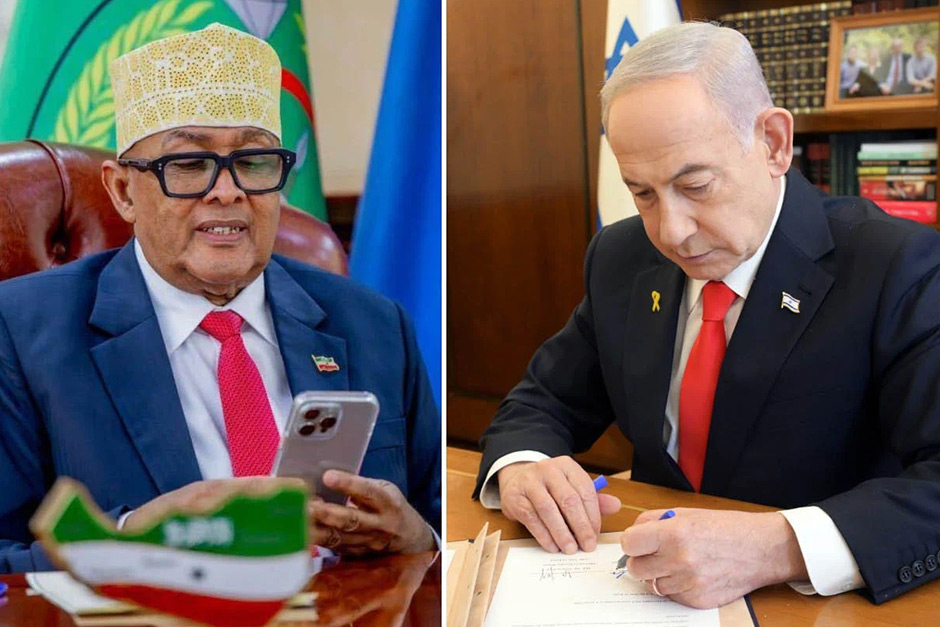
In the evolving landscape of international relations, diplomatic gestures can often signal shifts in strategy and influence. A recent development attracting significant attention is Israel’s reported recognition of Somaliland, a self-declared state in the Horn of Africa. This move, if solidified, is not merely a symbolic act but a potential indicator of Israel’s widening diplomatic reach and a strategic pivot in its engagement with the African continent and beyond.
Somaliland’s Enduring Quest for Recognition
For decades, Somaliland has navigated a unique position on the global stage. Having declared independence from Somalia in 1991, it has established its own functional government, democratic institutions, and relative stability in a region often marked by volatility. Despite operating as a de facto independent state with its own currency, army, and effective administration, Somaliland has largely been denied formal international recognition. This lack of official status has posed significant challenges to its economic development and its ability to engage fully with international bodies.
The international community’s reluctance stems primarily from concerns over upholding the territorial integrity of Somalia and avoiding a precedent that could encourage secessionist movements elsewhere. Consequently, any state offering recognition is making a bold statement, acknowledging Somaliland’s long-standing independence and its capacity for self-governance, while also potentially challenging existing regional dynamics.
Israel’s Strategic Red Sea Play
Israel’s reported decision to recognize Somaliland can be understood through a multi-faceted strategic lens. Firstly, it offers a new pathway for Israel to enhance its influence in the strategically vital Red Sea region. This corridor is crucial for global trade and energy transit, and deepening ties with a stable entity like Somaliland, which controls a significant coastline, could offer long-term security and economic benefits. Establishing a diplomatic presence could facilitate intelligence sharing and cooperation on maritime security, particularly in countering illicit activities and potential threats in the Bab-el-Mandeb strait.
Secondly, this move aligns with Israel’s broader diplomatic strategy of cultivating new alliances and diversifying its partnerships, particularly in Africa. While the Abraham Accords marked a significant breakthrough in relations with several Arab nations, Israel continues to seek avenues for expanding its diplomatic network. Engaging with Somaliland could open doors to other non-traditional allies and bolster Israel’s standing as a proactive player in global diplomacy. It represents a willingness to venture beyond conventional diplomatic frameworks to secure strategic advantages.
According to Dr. Elena Petrov, a geopolitical strategist specializing in African affairs, “This recognition isn’t just about Somaliland; it’s a clear signal from Israel that it’s prepared to challenge established norms to secure its interests. It’s a pragmatic calculation to strengthen its presence in a crucial maritime region and to forge new diplomatic pathways, reflecting a dynamic shift in its foreign policy approach.”
Potential Ramifications and a Shifting Diplomatic Landscape
The implications of such a recognition are far-reaching. For Somaliland, Israeli recognition would be a monumental diplomatic victory, potentially paving the way for other nations to follow suit and providing a much-needed boost to its international legitimacy and economic prospects. It could attract investment and aid that have historically been challenging to secure without formal statehood.
Conversely, the move is likely to draw strong condemnation from Somalia, which views Somaliland as an integral part of its territory. This could further exacerbate regional tensions and complicate reconciliation efforts between Hargeisa and Mogadishu. The reaction from other African and Arab nations will also be closely watched, as they weigh their own interests and adherence to the principle of territorial integrity against the practical realities of Somaliland’s enduring autonomy.
Ultimately, Israel’s reported recognition of Somaliland underscores a bold and assertive diplomatic posture. It highlights an evolving international system where strategic partnerships are being forged in unexpected places, potentially redrawing maps of influence and challenging long-held diplomatic norms in the pursuit of national interests.

