


The journey through cancer treatment is undeniably arduous, impacting every facet of a patient’s life. For many young women in India, a significant concern beyond immediate survival is the potential loss of their ability to bear children. As medical science advances, increasing cancer survival rates bring into sharper focus the post-treatment quality of life, where the dream of parenthood often features prominently. This evolving landscape of patient care is precisely what initiatives like ISGE 2026 aim to address, spotlighting the critical advancements and ethical considerations in assisted reproduction for women battling cancer.
Understanding the Challenge: Cancer Treatment and Fertility
Cancer therapies, while life-saving, can have profound and lasting effects on a woman’s reproductive system. Chemotherapy, radiation to the pelvis, and certain surgeries can damage ovarian function, leading to premature ovarian failure, infertility, or an early menopause. For a woman diagnosed with cancer during her reproductive years, the emotional weight of her diagnosis is often compounded by the fear of losing her fertility – a deeply personal and culturally significant aspect of womanhood, particularly in the Indian context.
The imperative to address fertility preservation has grown alongside improved cancer prognoses. With more women surviving cancer, there is a greater demand for solutions that allow them to pursue their desire for biological children after treatment. This necessitates a proactive approach, integrating fertility counselling and preservation options into initial cancer treatment plans, ensuring patients are aware of their choices before critical treatments commence. However, challenges persist, including the urgency of cancer treatment initiation, patient awareness, and access to specialized fertility preservation services, especially in diverse geographical and socioeconomic settings across India.
ISGE 2026: Paving the Way for Fertility Preservation
ISGE 2026 represents a crucial upcoming forum and a collective focus in the medical community dedicated to advancing dialogue and practice in assisted reproduction for women with cancer. It underscores the commitment to integrating fertility-sparing strategies into comprehensive cancer care. These strategies include a range of sophisticated techniques designed to preserve reproductive potential before it’s irreversibly damaged by cancer treatments.
Advanced Techniques in Fertility Preservation
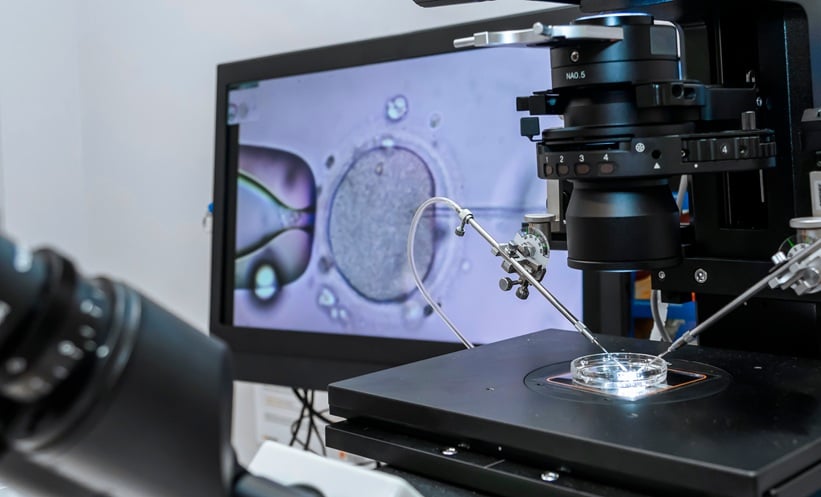
Among the most promising techniques are oocyte (egg) and embryo cryopreservation. For women with partners, embryo freezing offers excellent success rates. For single women or those without a partner, egg freezing has become a viable option, allowing them to preserve their genetic material for future use. Another evolving technique is ovarian tissue cryopreservation, particularly beneficial for prepubertal girls and women who need immediate cancer treatment, as it doesn’t require ovarian stimulation or a delay in therapy. In this procedure, a small piece of ovarian tissue is removed and frozen, with the potential to be reimplanted later to restore fertility.
The discussions at ISGE 2026 are expected to highlight best practices, technological innovations, and multidisciplinary collaborations between oncologists, fertility specialists, embryologists, and psycho-oncologists. As Dr. Anjali Sharma, a leading fertility specialist based in Mumbai, states, “ISGE 2026 is more than just a conference; it’s a commitment to ensuring that a cancer diagnosis does not automatically equate to the end of a woman’s reproductive dreams. We must empower these brave women with knowledge and access to the best available preservation and assisted reproduction technologies.” These dialogues are critical for standardizing care and improving outcomes across India.
Navigating the Indian Context and Future Directions
The Indian healthcare landscape presents both unique challenges and opportunities for fertility preservation. Cultural values often place significant importance on progeny, making the loss of fertility particularly distressing. While urban centers may have access to advanced fertility clinics, awareness and affordability remain significant hurdles in rural and semi-urban areas. Initiatives like ISGE 2026 are vital for disseminating knowledge, encouraging research tailored to the Indian population, and advocating for policies that can make fertility preservation more accessible and affordable.
Moving forward, the focus must be on early referral to fertility specialists, improved patient education about available options, and continued research into safer and more effective preservation techniques. The collaboration between public health initiatives and private institutions will be key to extending these life-changing services to a broader demographic. By fostering a supportive ecosystem, India can ensure that cancer survivors have every opportunity to embrace motherhood, adding another dimension to their triumph over disease.
ISGE 2026 marks a significant step towards a future where women diagnosed with cancer are fully informed and empowered to make choices regarding their fertility, ensuring that the hope of building a family remains a real possibility after their battle for life.

