


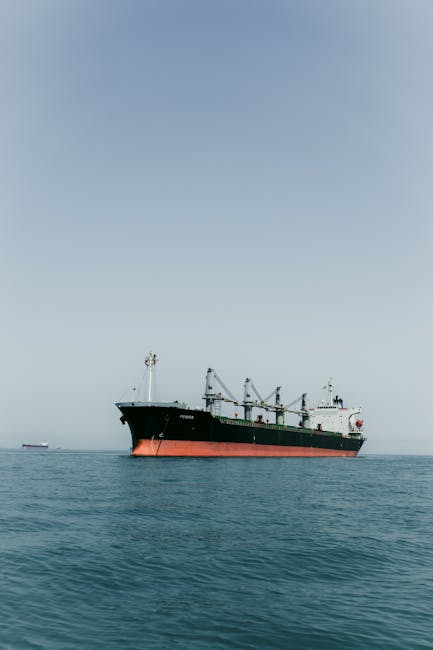
The global energy landscape is currently grappling with a severe jolt as Iraq, one of the world’s primary oil producers, reportedly faces a staggering 70% plunge in its oil output. This dramatic reduction comes at a time when the Gulf shipping crisis, exacerbated by persistent geopolitical tensions and maritime disruptions in crucial waterways, continues to deepen. For energy-hungry nations like India, heavily reliant on Middle Eastern crude, this development signals significant challenges, potentially impacting everything from fuel prices to macroeconomic stability.
The Epicenter of the Crisis: Iraq’s Declining Output
Iraq’s oil sector, a lifeline for its economy, is under immense pressure. While the exact causes of the reported 70% drop are multifaceted, they are intrinsically linked to a confluence of internal operational hurdles and external geopolitical realities. Prolonged disputes over oil revenue sharing, particularly with the Kurdistan Regional Government, and challenges in maintaining infrastructure have long plagued the nation’s ability to consistently maximize output. However, the current depth of the crisis is compounded by the escalating instability in the wider Gulf region.
The Gulf of Aden and the Red Sea, vital arteries for oil tankers transporting crude from the Middle East to global markets, have become increasingly perilous. Attacks on commercial vessels, primarily by Houthi rebels in Yemen, have forced many shipping companies to re-route their vessels around the Cape of Good Hope. This extended journey not only adds significant time and cost but also creates bottlenecks and delays, impacting the timely delivery and export capabilities of major producers like Iraq. Even if Iraq has crude available, getting it to market efficiently through these disrupted routes becomes a monumental task, contributing to reduced effective output and export volumes.
The repercussions for Iraq itself are dire. A 70% drop in oil exports would translate into a massive shortfall in national revenue, potentially destabilizing an already fragile economy and exacerbating social unrest. It forces a critical look at the country’s energy infrastructure resilience and its vulnerability to regional instability.
Global Ripples and India’s Energy Security Dilemma
The news from Iraq sends shivers through international oil markets. A major supply shock from one of the OPEC+ linchpins, combined with an ongoing shipping crisis, creates a potent cocktail for price volatility. Global crude benchmarks, already sensitive to geopolitical events, are likely to react sharply upwards, passing on increased costs to importing nations worldwide. This is where India’s vulnerability comes into sharp focus.
India is the world’s third-largest consumer and importer of crude oil, with approximately 85% of its requirements met through imports. A significant portion of this oil, particularly the heavier grades, originates from the Middle East, making the stability of Gulf shipping routes and steady supply from producers like Iraq absolutely critical. Rising international crude prices directly translate into higher import bills for India, straining its current account deficit (CAD) and potentially weakening the rupee against the dollar. This, in turn, fuels domestic inflation, as the cost of transportation, manufacturing, and eventually consumer goods increases.
India’s government has been actively pursuing strategies to diversify its energy sources and reduce its dependency on any single region. However, the sheer volume of its energy needs means that a disruption of this magnitude in the Middle East remains a profound concern.
“This confluence of supply shock and shipping bottlenecks poses a significant challenge for India, which relies heavily on Middle Eastern crude. We could see a palpable impact on our inflation trajectory and trade balance if the situation doesn’t de-escalate soon. Our energy security strategy must now more than ever prioritize diversified sources and resilient supply chains.” – Dr. Kavita Sharma, Senior Energy Analyst at the Delhi Policy Group.
For the average Indian consumer, the most immediate and tangible impact could be felt at the fuel pump. While the government often absorbs some of the shock through taxes and duties, sustained high crude prices invariably lead to an increase in petrol and diesel rates, impacting household budgets and the profitability of businesses across sectors.
Looking Ahead: Navigating an Uncertain Future
The deepening Gulf shipping crisis and Iraq’s plunging oil output underscore the precarious balance of global energy markets. The immediate future appears fraught with uncertainty, demanding swift diplomatic resolutions and robust contingency planning from affected nations. For India, the situation reinforces the urgent need to accelerate its transition towards renewable energy sources, explore strategic oil reserves, and further strengthen its partnerships with a wider array of oil-producing countries to mitigate future shocks.
The crisis serves as a stark reminder that geopolitical instability in one region can have profound and far-reaching economic consequences globally, with developing economies like India often bearing a disproportionate share of the burden. How the international community, and particularly major powers, address the escalating tensions in the Gulf will determine the trajectory of oil markets and the economic health of countless nations in the months to come.

