


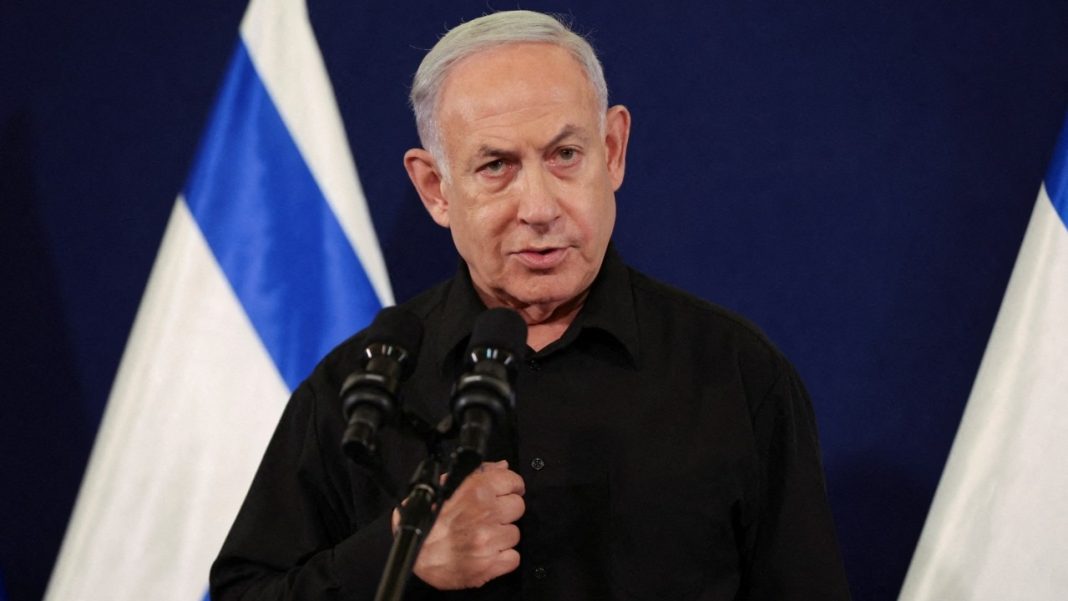
The volatile geopolitics of the Middle East has once again been rattled by chilling pronouncements from Tehran. Amidst escalating tensions following the ongoing conflict in Gaza, Iranian officials, particularly those from the elite Revolutionary Guard, have issued stark warnings, vowing to “pursue and kill” Israeli Prime Minister Benjamin Netanyahu, whom they frequently brand a “child killer.” These aggressive declarations, coupled with persistent assassination rumours, signal a dangerous intensification of the long-standing shadow war between the two regional adversaries, carrying significant implications for global stability and, by extension, India’s strategic interests.
Escalating Rhetoric and Regional Volatility
The recent threats from Iran are not isolated incidents but rather the latest salvo in a protracted and often clandestine conflict with Israel. General Yadollah Javani, the political deputy chief of Iran’s Islamic Revolutionary Guard Corps (IRGC), was quoted by Iranian media declaring, “Netanyahu is a child killer, and we will pursue and kill him.” This rhetoric underscores a deep-seated animosity, fueled significantly by the Israeli military operations in Gaza. For Tehran, Netanyahu embodies the ‘Zionist entity’ responsible for the suffering of Palestinians, a narrative that resonates strongly within revolutionary circles.
Historically, the Iran-Israel rivalry has played out through proxy conflicts, cyber warfare, and targeted assassinations of scientists and military commanders, often attributed to Mossad. However, direct threats against a head of state elevate the potential for miscalculation and direct confrontation. From India’s perspective, this heightened volatility in the Middle East is a significant concern. The region is a crucial source of energy for India and home to millions of Indian expatriates. Any substantial escalation could disrupt oil supplies, impact trade routes, and necessitate complex evacuation strategies, placing immense pressure on New Delhi’s diplomatic resources.
The ‘Child Killer’ Accusation and Assassination Rumours
The epithet “child killer” is a powerful, emotionally charged accusation aimed at delegitimising Prime Minister Netanyahu and Israel’s military actions in Gaza. It stems directly from the civilian casualties, particularly among children, reported in the Palestinian enclave. While Israel asserts its operations target Hamas infrastructure and leadership, human rights organisations and many international bodies have raised alarms about the toll on non-combatants. Iran leverages this narrative to galvanise support among its allies and the broader Muslim world, portraying itself as a champion of the Palestinian cause.
Concurrently, whispers of potential assassination plots against Netanyahu have circulated, though their origin and credibility remain murky. Such rumours often serve multiple purposes: they can be a form of psychological warfare, intended to sow fear and instability; they might reflect genuine intelligence fragments; or they could be deliberate misinformation campaigns. Whether these rumours are substantiated or not, the very public nature of Iran’s vows creates a dangerous precedent. It transforms the long-standing shadow conflict into a more overt and personal vendetta, increasing the risk of direct retaliatory actions.
Speaking on the escalating rhetoric, a Delhi-based foreign policy analyst, Dr. Rohan Mehra, observed, “The public threats against a sitting head of government are extremely alarming. They not only deepen the immediate crisis but also erode the already fragile norms of international conduct. For India, which maintains nuanced relationships with all regional players, such aggression makes diplomatic navigation incredibly challenging. We advocate for de-escalation, but the language from both sides is making that increasingly difficult.”
Global Implications and India’s Balancing Act
The prospect of a direct Iranian attempt on the life of an Israeli Prime Minister carries profound global implications. It would almost certainly trigger a severe military response from Israel, potentially igniting a regional conflagration involving Iran’s network of proxies across Lebanon, Syria, Iraq, and Yemen. Such a scenario would send shockwaves through global energy markets, destabilise international trade, and inevitably draw in major world powers, including the United States, which remains a staunch Israeli ally.
For India, a nation with significant stakes in regional stability, the situation demands a delicate balancing act. New Delhi enjoys robust strategic and defence ties with Israel, particularly in technology and counter-terrorism. Simultaneously, India maintains historical links and an important economic partnership with Iran, exemplified by the Chabahar Port project, which offers India a crucial gateway to Central Asia, bypassing Pakistan. India has consistently called for a two-state solution to the Israeli-Palestinian conflict and urged all parties to exercise restraint and pursue diplomatic solutions. This position reflects India’s long-standing commitment to peace and stability in a region vital to its economic prosperity and security.
Navigating this treacherous geopolitical terrain requires astute diplomacy. India’s leaders will likely continue to engage with both Tehran and Tel Aviv, subtly pushing for de-escalation while protecting its national interests. The overarching objective remains preventing a wider conflict that could have catastrophic consequences for the region and beyond, significantly impacting India’s growth trajectory and its ability to safeguard its diaspora.
The recent vows from Iran to target Prime Minister Netanyahu mark a dangerous escalation in the Middle East’s perennial geopolitical drama. While the immediate future remains uncertain, the rhetoric itself signals a willingness to push boundaries that could have far-reaching and irreversible consequences. As the region teeters on the brink, the international community, including India, watches with bated breath, hoping that diplomacy and restraint can ultimately prevail over the ominous shadows of conflict.

