


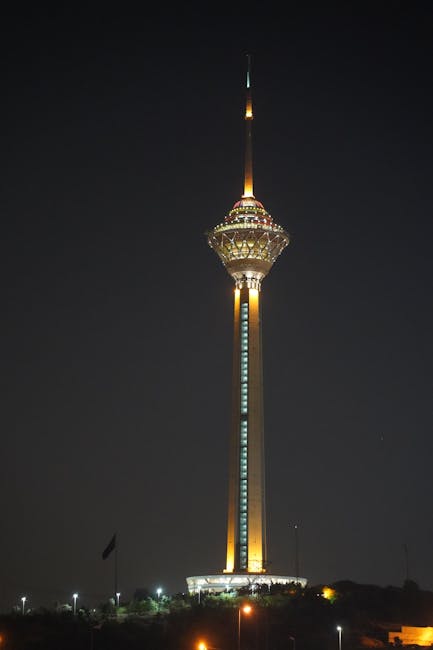
The Middle East finds itself on a precarious knife-edge once again, as a series of dramatic events has ratcheted up regional tensions to alarming levels. News channels and social media feeds are ablaze with reports of an oil facility in Tehran engulfed in flames following alleged fresh Israeli strikes, while simultaneously, Saudi Arabia has announced the successful interception of 14 drones targeting its territory. These developments underscore the dangerously volatile geopolitical landscape, hinting at a deepening shadow war with far-reaching implications that resonate from global oil markets to the safety of expatriate communities, including India’s significant diaspora.
For India, a nation deeply intertwined with the Gulf region through energy, trade, and human ties, these events are not mere distant headlines but a matter of immediate and significant concern. The intricate web of alliances and rivalries, now more overtly volatile, poses complex challenges for New Delhi’s foreign policy and economic stability.
Escalation in the Gulf: Tehran’s Flames and Saudi Arabia’s Defences
The latest reports emanating from Iran describe a critical oil facility near Tehran ablaze, an incident widely attributed to Israeli military action. While details remain sparse and official confirmations from all parties are elusive, the visual evidence of towering flames and plumes of smoke over a key Iranian energy installation speaks volumes. Such alleged strikes fit a pattern of covert operations and direct engagements that have characterized the long-standing, often undeclared, conflict between Israel and Iran.
Alleged Israeli Strikes Ignite Iranian Oil Facility
The strike on the Tehran oil facility marks a significant escalation, moving beyond cyberattacks or assassinations of key figures to a direct assault on economic infrastructure. If confirmed as an Israeli operation, it signals a bold and provocative move designed to degrade Iran’s capabilities or retaliate for perceived Iranian provocations. Iran, on its part, has consistently vowed retaliation for any such actions, raising fears of a dangerous tit-for-tat cycle that could spiral out of control. The precision and timing of these alleged strikes suggest sophisticated intelligence and operational capabilities, intensifying the regional power struggle.
Saudi Arabia Downs 14 Drones Amidst Heightened Threats
Adding another layer of complexity to the unfolding crisis, Saudi Arabia’s Ministry of Defense announced the interception of 14 drones. These drones, often launched by Houthi rebels in Yemen and frequently linked to Iranian support, represent a persistent threat to Saudi infrastructure and civilian areas. The sheer number of drones intercepted underscores the frequency and scale of attacks targeting the Kingdom, which has long been a frontline in the broader regional proxy conflicts. Saudi Arabia’s enhanced air defence capabilities are constantly tested by these asymmetric threats, highlighting the ongoing vulnerability of critical energy and urban centers in the Gulf.
India’s Stake: Economic Repercussions and Diplomatic Tightrope
The volatile situation in the Middle East sends ripples across the globe, and India, with its substantial economic and strategic interests in the region, is particularly vulnerable to the fallout.
Global Oil Market Volatility and Inflationary Pressures
One of the most immediate and tangible impacts for India is on crude oil prices. As the world’s third-largest oil importer, India’s economy is acutely sensitive to supply disruptions and price surges in the Gulf, which accounts for a significant portion of its energy needs. Any sustained escalation could lead to a sharp increase in global oil benchmarks, translating directly into higher fuel costs, inflationary pressures across various sectors, and a potential widening of the current account deficit. This economic vulnerability compels India to closely monitor the situation and advocate for de-escalation.
Protecting the Diaspora and Strategic Interests
Beyond economics, India’s concern extends to the safety and well-being of its approximately nine million citizens residing and working across the Gulf Cooperation Council (GCC) countries. This vast diaspora contributes significantly to India’s remittances and represents a critical human link. Any widespread conflict or instability could necessitate complex evacuation plans and cause immense distress. Furthermore, India has strategic investments in the region, including the Chabahar Port in Iran and nascent projects like the India-Middle East-Europe Economic Corridor (IMEC), all of which depend on regional peace and stability for their success.
As a key player with historical ties to all major stakeholders in the region – Iran, Israel, Saudi Arabia, and the United States – India consistently advocates for dialogue and de-escalation. “The current volatile situation in the Middle East demands immediate de-escalation from all parties involved,” stated a senior Indian foreign policy analyst, emphasizing India’s unwavering commitment to regional peace and stability. “For India, the safety of our diaspora and the stability of global energy markets are paramount. We urge all actors to exercise restraint and pursue diplomatic solutions to prevent further catastrophe.“
The coming days and weeks will be crucial in determining whether the latest flare-ups are contained or if they signal a descent into a more direct and devastating conflict. For TrendLyric.com readers, understanding these complex dynamics is essential, as the geopolitical tremors from the Gulf inevitably echo through India’s economy and foreign policy landscape.

