


The intricate geopolitical landscape of the Middle East recently witnessed a significant surge in tensions, with Iran issuing a stark warning following an ultimatum from the United States regarding the critical Strait of Hormuz. This development has once again cast a spotlight on the volatile region, raising concerns about the potential for wider implications on global energy markets and international stability.
Escalation in the Gulf: The Ultimatum and Iran’s Response
Recent reports indicate that an ultimatum, attributed to the former US administration, focused on the Strait of Hormuz, a waterway of immense strategic importance. While the specifics of the ultimatum have been a subject of varied interpretation, it broadly pertained to perceived restrictions or threats to international shipping and oil transit through the strait, alongside escalating economic pressure on Iran.
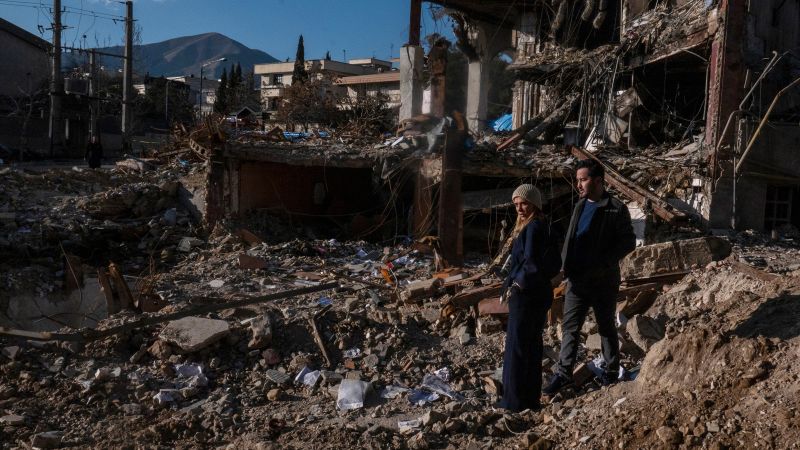
In a strong and direct response, Iranian officials conveyed a severe warning: should their interests be threatened or should there be an attempt to obstruct their activities in the region, particularly concerning oil exports, they would consider retaliating by “completely destroying infrastructure.” This isn’t just a rhetorical flourish; it suggests a readiness to target facilities that could include shipping infrastructure, oil terminals, or other critical assets, potentially leading to widespread disruption.
The context for Iran’s assertiveness is often linked to the intense economic sanctions it has faced, which have severely impacted its oil revenues and overall economy. From their perspective, any move perceived as a blockade or an existential threat to their economic lifeline, especially in the Strait of Hormuz, would warrant a robust response, framed as a defensive measure to protect their national interests and sovereignty.
The Strait of Hormuz: A Global Chokepoint
To understand the gravity of Iran’s threat, it’s essential to grasp the unparalleled significance of the Strait of Hormuz. This narrow waterway, nestled between Iran and Oman, serves as the sole maritime passage from the Persian Gulf to the open ocean. It is, quite simply, the world’s most vital oil transit chokepoint.
Vast quantities of crude oil and liquefied natural gas (LNG) pass through this strait daily, originating from major producers like Saudi Arabia, Iran, Iraq, Kuwait, Qatar, and the UAE. Estimates suggest that a significant percentage of the world’s seaborne oil supply, along with a substantial portion of global LNG, navigates these waters. Any disruption here would not only affect oil-importing nations but also send shockwaves through the global economy, impacting energy prices, supply chains, and industrial activity across continents.
As one geopolitical analyst observed, “The Strait of Hormuz isn’t just a shipping lane; it’s the jugular vein of the global energy economy. Any serious disruption there would send ripples across every continent, affecting everything from manufacturing costs to consumer prices at the pump.” The international community, therefore, views any threat to this passage with extreme concern, understanding the profound domino effect it could trigger.
Potential Ramifications of Disruption
The potential for Iran to act on its threat, or for a miscalculation to occur, introduces a high degree of risk. A deliberate act of “destroying infrastructure” in or around the Strait of Hormuz could manifest in several ways:
- Economic Fallout: The most immediate impact would be a dramatic spike in global oil and gas prices. Supply shortages, increased insurance costs for shipping, and logistical nightmares would follow, potentially triggering an economic downturn in energy-dependent economies.
- Military Escalation: Such actions would almost certainly provoke a strong military response from international naval forces present in the region, potentially leading to a direct armed conflict. The ripple effects of a regional war could extend far beyond the Middle East, drawing in major global powers.
- Humanitarian Crisis: Any large-scale conflict would undoubtedly lead to a humanitarian crisis, displacing populations, disrupting essential services, and causing loss of life.
- Environmental Disaster: Attacks on oil infrastructure or tankers could result in massive oil spills, causing catastrophic environmental damage to the marine ecosystem of the Persian Gulf.
The delicate balance of deterrence and diplomacy
In such a highly charged environment, the line between deterrence and outright conflict is exceedingly fine. Statements like Iran’s warning serve as a potent reminder of the fragility of peace in strategic regions and underscore the critical importance of de-escalation channels and diplomatic engagement to prevent the unthinkable.
Conclusion
Iran’s explicit threat to completely destroy infrastructure in response to a US ultimatum concerning the Strait of Hormuz underscores a deeply volatile situation. The Strait’s irreplaceable role in global energy distribution means that any serious disruption would have far-reaching economic, political, and potentially military consequences. The current trajectory highlights the urgent need for careful strategic navigation by all parties involved, as the stakes for regional stability and the global economy could not be higher.
The coming period will likely be defined by a careful watch over diplomatic maneuvers, security postures in the Gulf, and the rhetoric emanating from key capitals, as the international community seeks to avert an escalation that could have devastating effects worldwide.

