


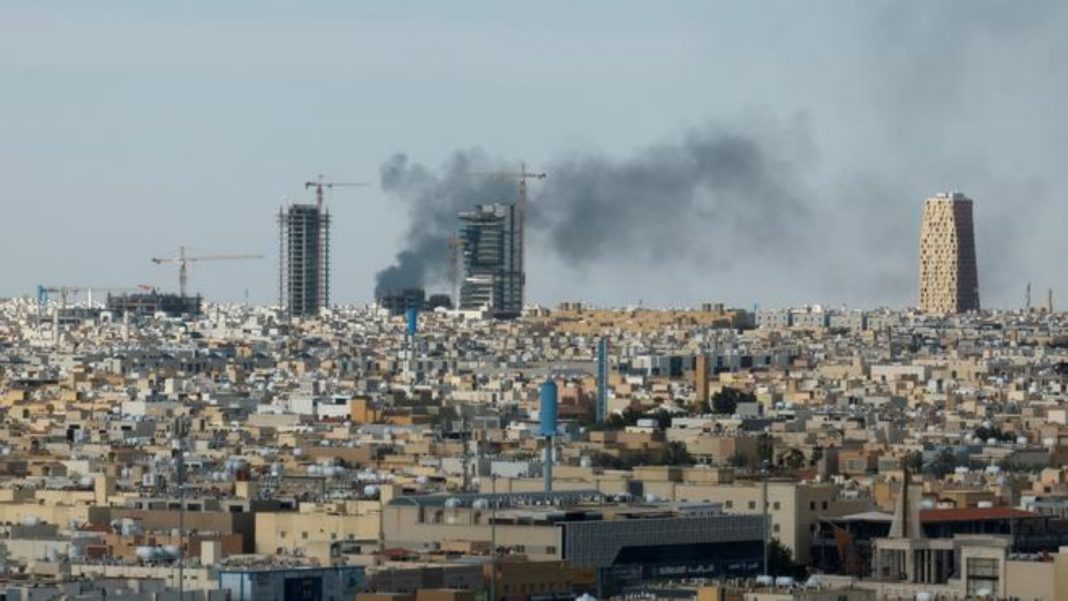
The geopolitical landscape of the Middle East has once again been gripped by a precarious standoff, following a series of dramatic escalations between the United States and Iran. The assassination of Iranian Major General Qassem Soleimani by a US drone strike ignited a furious response from Tehran, leading to explicit threats against US interests and, controversially, a warning to target global tourist and cultural sites. As the world watches with bated breath, the US has responded with military deployments, even as President Donald Trump’s rhetoric hints at a potential de-escalation, presenting a complex and volatile picture for international stability, with significant implications for nations like India.
Escalation and the Shadow of Cultural Threats
The immediate aftermath of General Soleimani’s killing saw a sharp rise in tensions, with Iran’s leadership vowing “severe revenge.” This retaliation extended beyond military targets, with Iranian officials explicitly mentioning a list of 35 US targets, and President Trump, in turn, warning against Iranian attacks on US personnel or assets. However, it was Iran’s threat to target cultural sites that drew widespread international condemnation. Such actions, if carried out, would constitute a war crime under international law, particularly the 1954 Hague Convention for the Protection of Cultural Property in the Event of Armed Conflict.
The global community reacted with alarm, recalling the deliberate destruction of historical sites by groups like ISIS in recent years. For a nation with such a rich ancient heritage as Iran to even contemplate such an act, albeit in a moment of extreme anger, sent shivers down the spine of cultural preservationists worldwide. In response to the heightened threat environment and the potential for Iranian retaliation, the United States moved swiftly to bolster its military presence in the region. Thousands of Marines were deployed to the Middle East, along with additional air defense systems, signifying a robust readiness posture. This deployment serves as a clear message of deterrence, aimed at protecting US interests and personnel in a region already saturated with geopolitical fault lines.
For India, the unfolding crisis is a matter of deep concern. India has historically maintained pragmatic relations with both the US and Iran. The Persian Gulf is critical for India’s energy security, with a significant portion of its oil imports traversing the Strait of Hormuz. Furthermore, a massive Indian diaspora resides and works across the Gulf nations, making regional stability paramount. Any disruption, military or economic, in this vital waterway or the broader region could have severe ramifications for India’s economy and the safety of its citizens abroad. New Delhi has consistently called for restraint and de-escalation from all parties, emphasizing dialogue as the only path forward.
Trump’s Shifting Tones and the Quest for an Off-Ramp
Amidst the fiery exchanges and military movements, an interesting shift in tone from the US administration has emerged. While initially promising swift and disproportionate retaliation, President Trump later indicated a desire to “wind down” the conflict and avoid a full-scale war. His statements, often delivered via social media, have oscillated between strong warnings and suggestions of a preference for de-escalation and diplomacy. This nuanced approach suggests an awareness of the immense human and economic cost a prolonged conflict would entail, particularly in an election year.
Some analysts interpret Trump’s mixed signals as a strategic move to project strength while simultaneously leaving open avenues for diplomatic resolution. The US objective, as articulated, is to prevent Iran from developing nuclear weapons and to curb its regional destabilizing activities, rather than regime change. The targeted killing of Soleimani, according to US officials, was a deterrent action. However, the exact ‘exit strategy’ from the current high-stakes situation remains unclear. The challenge lies in finding a face-saving mechanism for both sides to retreat from the brink without appearing weak.
As Dr. Rohan Desai, a Mumbai-based geopolitical analyst, observed, “The US-Iran dynamic has always been a tightrope walk. While military posturing is visible, behind-the-scenes diplomatic channels are likely working overtime. No major global power, including India, benefits from a full-blown war in the Gulf. The economic impact alone would be catastrophic for the world economy, let alone regional stability. India’s quiet diplomacy and calls for de-escalation are crucial at this juncture.”
India’s Strategic Balancing Act
India’s foreign policy is often characterized by strategic autonomy, and this crisis is a prime example. New Delhi finds itself needing to navigate complex relationships – its burgeoning strategic partnership with the US, its historical energy ties with Iran, and its broader commitment to regional peace. Maintaining open communication channels with both Washington and Tehran is vital for India to protect its interests. The situation underscores the delicate balance India must strike to safeguard its energy supplies, secure its diaspora, and prevent the wider region from spiraling into further chaos.
The international community, including India, is banking on the possibility that both the US and Iran, despite their aggressive posturing, ultimately seek to avoid an all-out war. The coming weeks will be critical in determining whether diplomacy can prevail over brinkmanship, or if the region is destined for further instability.
The unfolding events in the Middle East serve as a stark reminder of the fragile nature of global peace. Iran’s threats against cultural sites, the US military deployments, and the subtle hints of de-escalation from President Trump paint a picture of extreme volatility. For India, the stakes are undeniably high, demanding a nuanced and proactive diplomatic engagement to protect its economic and security interests. As the world holds its breath, the hope remains that cooler heads will prevail, paving the way for dialogue rather than further confrontation.

