


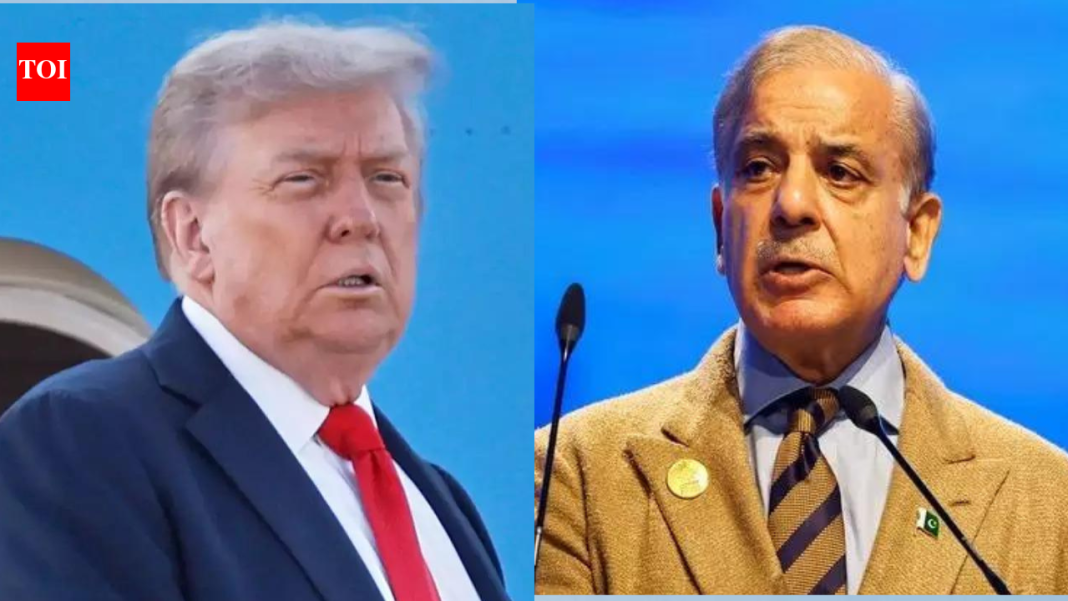
The geopolitical chessboard of South Asia and the Middle East is always alive with whispers, but a recent set of rumours regarding potential high-stakes diplomatic talks between Iran and the United States, or even Iran and Saudi Arabia, allegedly hosted by Pakistan, sent ripples across international media. For observers in India, these developments carry significant weight, impacting everything from energy security to regional stability. As speculation mounted, all eyes turned to Washington for clarification, and the White House’s response has now offered a crucial, albeit measured, perspective.
The Genesis of the Rumours: Pakistan’s Diplomatic Overtures
The murmurs gained traction primarily after statements from Pakistani officials, particularly Foreign Minister Shah Mahmood Qureshi. Pakistan has recently positioned itself as a potential mediator in the volatile Gulf region, seeking to de-escalate tensions between Iran and Saudi Arabia, and potentially facilitate dialogue between Iran and the U.S. Qureshi’s visits to Tehran and Riyadh were widely reported, with Pakistan expressing its intent to play a constructive role in fostering peace.
Pakistan’s strategic location, bordering Iran and in close proximity to the Gulf, combined with its historical ties to both Saudi Arabia and its complex relationship with the U.S., lends some credence to its ambitions as a regional interlocutor. Reports from certain Pakistani media outlets suggested that significant breakthroughs were being made, with some even floating the idea of Iranian and American delegations meeting on Pakistani soil. This narrative tapped into a broader global desire for de-escalation, especially given the ongoing uncertainties surrounding the Iranian nuclear deal and the wider proxy conflicts in the Middle East.
For India, the prospect of such talks holds complex implications. A stable and de-escalated Gulf region is paramount for India’s energy security and the safety of its millions of diaspora workers. Any talks involving Iran, Saudi Arabia, and the U.S. would directly influence the stability of a region critical to India’s economic and strategic interests. Furthermore, Pakistan’s role as a mediator, if successful, could potentially enhance its regional standing, a development India would watch closely.
The White House’s Measured Response
As the rumours circulated and gained momentum, the international community, including India, awaited an official stance from the United States. The White House, through its spokespersons, addressed the speculation with a clear, yet diplomatically nuanced, statement.
Responding to queries, a senior White House official indicated that while the U.S. is always open to genuine diplomatic engagement when it serves American interests, there were no current plans or discussions underway for direct talks with Iran taking place in Pakistan. The statement effectively debunked the specific claims of an impending meeting on Pakistani soil but did not entirely shut the door on the idea of future diplomatic engagement. This careful wording reflects the delicate balance the U.S. maintains regarding Iran, especially as it navigates the complexities of the nuclear deal and regional security.
“While we appreciate the efforts of any nation seeking to promote peace and stability in the region, reports of an imminent U.S.-Iran dialogue facilitated by Pakistan are not accurate at this time,” a State Department spokesperson reportedly stated, underscoring the U.S. position. This response highlights that while the U.S. acknowledges the diplomatic overtures by Pakistan, the specific details regarding talks in Pakistan appear unfounded from Washington’s perspective.
This clarification is crucial. It means that while Pakistan might be genuinely trying to broker peace, the specific reports of a U.S.-Iran meeting there were either premature or misinformed. For India, this signals that while the path to de-escalation remains complex, the immediate concern of a major diplomatic breakthrough involving rivals on its western flank is not materializing as rapidly as some reports suggested.
India’s Stake in Regional Stability and Diplomacy
India’s foreign policy is deeply invested in the stability of the Middle East and Gulf region. With robust trade ties, significant energy imports from the region, and a large Indian diaspora, New Delhi consistently advocates for peaceful resolution of disputes and de-escalation of tensions. The prospect of Iran-U.S. or Iran-Saudi talks, regardless of the venue, is inherently of interest to India.
India maintains strong, independent relationships with all key players – Iran, Saudi Arabia, and the United States. Projects like the Chabahar Port in Iran are vital for India’s connectivity to Afghanistan and Central Asia, bypassing Pakistan. Any major shift in U.S.-Iran relations, or indeed Iran-Saudi relations, would have direct implications for these strategic investments and India’s broader geopolitical manoeuvring. New Delhi’s stance has always been one of non-interference but active engagement in promoting dialogue where possible, emphasizing multilateralism and adherence to international law.
The White House’s denial of current talks in Pakistan, therefore, doesn’t diminish India’s interest in regional diplomacy; rather, it clarifies the immediate reality, allowing New Delhi to continue its strategic planning with a more accurate understanding of the diplomatic landscape.
While the immediate speculation of Iran talks in Pakistan has been dampened by the White House, the underlying desire for diplomatic resolution in the Middle East remains strong. Pakistan’s proactive role, though perhaps overstated in certain media reports, reflects a broader regional push for de-escalation. For India, the ultimate goal remains a peaceful and stable neighbourhood, and it will continue to monitor all diplomatic efforts, regardless of where they take place, with a keen eye on its own strategic and economic interests.

