


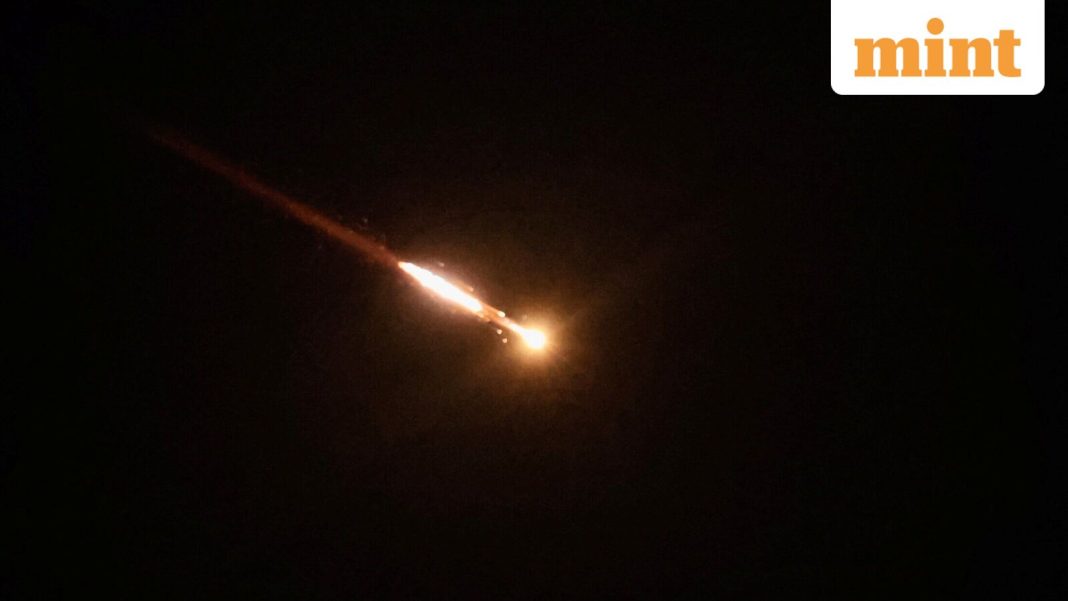
A significant escalation in the already tense Middle East unfolded as reports emerged of Iranian forces launching a missile strike on Prince Sultan Air Base (PSAB) in Saudi Arabia. The attack, which targeted a key military installation housing US troops, has sent shockwaves across the globe, with initial reports indicating at least 10 US service members injured, two of whom are in critical condition. This unprecedented direct strike marks a dangerous turn in the volatile relationship between Iran and its regional adversaries, potentially reshaping the security landscape of an area critical to global stability and energy supply.
The Incident Unfolds: A Strike on Prince Sultan Air Base
According to preliminary information, the strike occurred in the early hours, with Iranian state media outlets claiming responsibility, citing retaliation for unspecified provocations. Prince Sultan Air Base, located south of Riyadh near Al-Kharj, is a pivotal hub for US air operations in the region, including intelligence, surveillance, and reconnaissance missions. The base has seen a significant increase in American personnel and assets in recent years, underscoring its strategic importance in counter-terrorism efforts and deterrence against regional threats.
Eyewitness accounts and initial assessments from the ground suggest that multiple projectiles, believed to be ballistic missiles, impacted areas within the sprawling base. While comprehensive damage assessments are underway, the focus remains on the welfare of the injured troops. Medical teams were immediately dispatched to provide critical care, and the critically injured personnel are being prepared for potential medical evacuation. Both US Central Command (CENTCOM) and Saudi authorities have yet to release a detailed official statement, but heightened security alerts have been issued across coalition facilities in the region.
This attack deviates significantly from previous indirect confrontations, which often involved proxy groups or targeted shipping. The direct targeting of a US-manned base by Iranian forces represents a bold and risky move, raising questions about Iran’s strategic calculations and its willingness to openly challenge US military presence in the Gulf.
Regional Ramifications and Global Concerns
The immediate fallout from the strike is expected to reverberate across global markets, particularly in the energy sector. Oil prices are anticipated to react sharply, given Saudi Arabia’s role as a major oil producer and the Strait of Hormuz’s critical importance as a shipping choke point for a substantial portion of the world’s oil supply. Any threat to the stability of this region directly impacts global economic health.
Diplomatic circles are already abuzz with urgent calls for de-escalation. International bodies and several nations have urged all parties to exercise maximum restraint to prevent a wider conflagration. The strike also intensifies the already strained relationship between Washington and Tehran, potentially pushing diplomatic solutions further out of reach. “This strike represents a dangerous redrawing of lines in an already volatile region, threatening to unravel years of painstaking diplomatic efforts and plunging the Middle East into an unpredictable new phase,” commented Dr. Arjun Reddy, a prominent geopolitical analyst specializing in West Asian affairs.
The international community will be closely watching the response from Washington and Riyadh. Any retaliatory action could trigger a dangerous cycle of attacks, drawing in other regional actors and further destabilizing an already fragile geopolitical landscape. The incident underscores the urgent need for renewed diplomatic engagement and a concerted effort to address the underlying tensions driving conflict in the region.
India’s Stake in a Volatile Gulf
For India, a nation deeply intertwined with the Gulf region through energy, trade, and diaspora, the situation is of paramount concern. India imports over 60% of its crude oil from the Middle East, making the stability of shipping lanes, particularly the Strait of Hormuz, absolutely critical for its energy security. Any disruption could lead to soaring oil prices, directly impacting India’s economy and inflation.
Furthermore, the Gulf houses over 8.5 million non-resident Indians (NRIs), whose safety and well-being are a top priority for the Indian government. A significant escalation could necessitate complex evacuation plans and impact remittances, a vital source of foreign exchange. New Delhi has consistently advocated for peaceful resolutions to conflicts in the region, emphasizing de-escalation and dialogue.
The Ministry of External Affairs will likely be monitoring the situation closely, engaging with regional partners and international stakeholders to safeguard India’s strategic interests. Maintaining open channels of communication with both Iran and Saudi Arabia remains key to India’s balanced diplomatic approach, urging restraint and working towards a peaceful resolution that ensures the security and stability of the region.
As the world awaits further details and official responses, the strike on Prince Sultan Air Base serves as a stark reminder of the ever-present dangers in the Middle East. The coming days will be crucial in determining whether this incident remains an isolated, albeit serious, event or marks the prelude to a more widespread and dangerous confrontation.

