


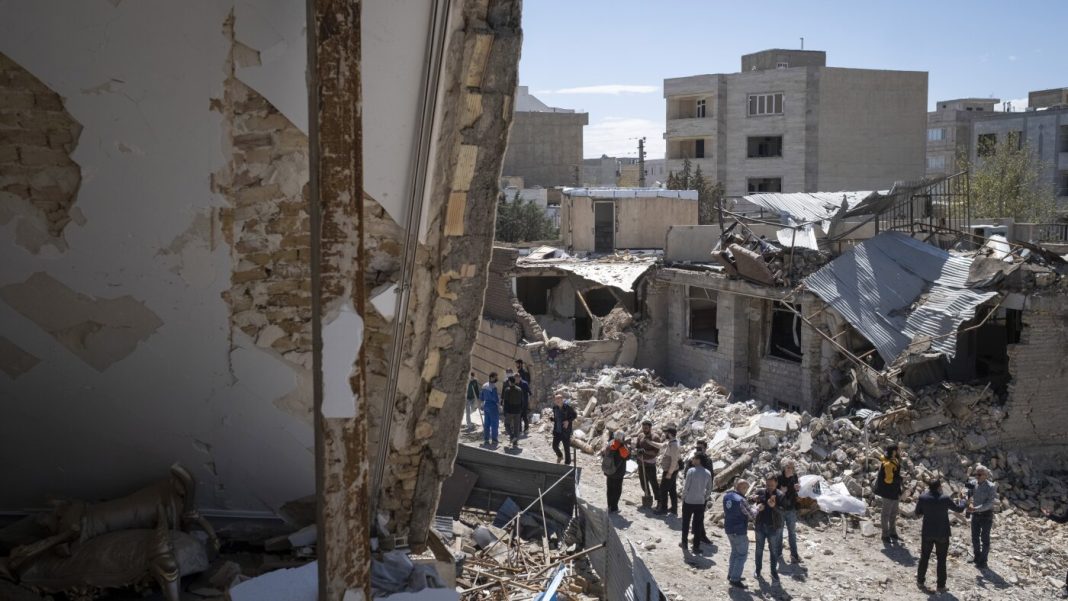
The situation in the Gulf has taken a gravely serious turn, pushing an already tense five-week conflict into uncharted and dangerous territory. Reports confirming the downing of a U.S. F-15 jet, alongside coordinated strikes on crucial Gulf refineries, signify a profound escalation that demands immediate and careful international attention. These actions represent not just an extension of existing hostilities but a qualitative shift in the nature of the engagement, promising far-reaching military, economic, and geopolitical consequences.
Immediate Repercussions: The Military and Political Landscape
The loss of an F-15 jet is a significant military event, symbolizing a direct and serious challenge to air superiority and potentially inviting a robust response. While details surrounding the incident remain under investigation, the act itself signals a willingness to engage in high-risk military actions, raising the specter of direct confrontation rather than proxy skirmishes. For the U.S., the immediate pressure will be on demonstrating resolve and protecting its assets and personnel in the region, while also navigating the complexities of avoiding an uncontrolled spiral into broader war.
Politically, the implications are immense. Regional actors, already wary and often caught between major powers, will face renewed pressure to align or risk further destabilization. International diplomacy, already stretched thin, will be tested to its limits. The question now isn’t merely how to de-escalate, but how to prevent an even wider conflict. As one seasoned regional analyst observed, “This isn’t just a tit-for-tat anymore; it’s a deliberate raising of the stakes that profoundly alters the calculus for every player involved. The margin for error has all but disappeared.” The incident could also galvanize domestic support or opposition within the involved nations, influencing their future policy decisions.
Global Markets and Regional Stability: The Economic Fallout
The coordinated attacks on Gulf refineries, coming on the heels of an ongoing conflict, are designed to hit where it hurts most: the global energy supply. These facilities are the lifeblood of the global economy, and any disruption sends immediate shockwaves through oil markets. We can anticipate significant volatility and likely sustained increases in crude oil prices, impacting everything from transport costs to manufacturing and consumer goods worldwide. Such an economic tremor could trigger inflationary pressures and even threaten the stability of already fragile economies globally, potentially creating a secondary layer of crisis.
Beyond the immediate market impact, the targeting of critical infrastructure also signals a dangerous erosion of norms in warfare, where civilian economic assets become legitimate targets. This sets a perilous precedent for future conflicts and could lead to a more destructive and less predictable form of engagement. The long-term implications for regional stability are equally concerning. Gulf nations, reliant on oil revenues, face economic hardship and heightened security threats, potentially leading to internal pressures and further fracturing the region’s delicate balance. The international community faces the dual challenge of condemning these actions and seeking pathways to ensure energy security amidst escalating geopolitical risks.
The current developments have irrevocably changed the nature of the conflict in the Gulf. The downing of an advanced military jet and the targeting of vital energy infrastructure represent a dramatic escalation, leaving little room for miscalculation. The world watches with bated breath, hoping that diplomacy can still find a way to pull back from the brink of a potentially devastating regional, and indeed global, catastrophe. The path forward is fraught with peril, demanding cautious, strategic, and unified international engagement.

