


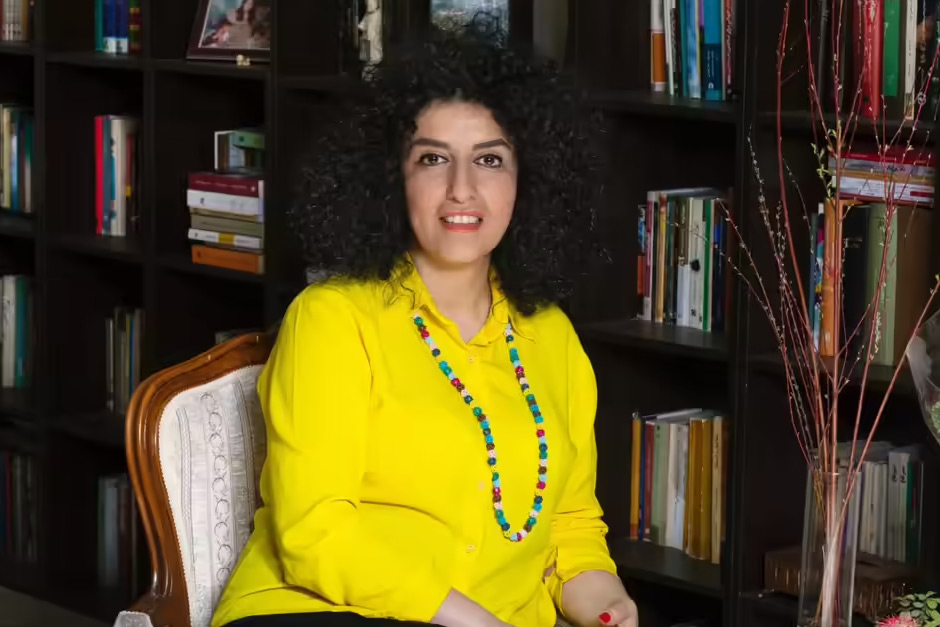
In a development that has once again cast a stark light on the state of human rights in Iran, Nobel Peace Prize laureate Narges Mohammadi has been sentenced to an additional six years in prison. The news, confirmed by her lawyer, Mostafa Nili, marks yet another chapter in the relentless persecution of a woman celebrated globally for her unwavering fight for women’s rights and freedom. This latest verdict, issued while Mohammadi remains incarcerated in Tehran’s notorious Evin Prison, underscores the profound challenges faced by activists challenging the status quo in the Islamic Republic.
A Steadfast Voice Against Oppression
Narges Mohammadi, a prominent journalist and human rights advocate, was awarded the Nobel Peace Prize in 2023 for her “fight against the oppression of women in Iran and her fight to promote human rights and freedom for all.” Her recognition by the Nobel Committee was a global acknowledgment of her decades-long struggle, which has seen her endure numerous arrests, convictions, and lengthy prison sentences. Even as she received the prestigious award, Mohammadi was serving multiple sentences totalling over a decade, having been repeatedly targeted for her activism against the compulsory hijab, advocating for women’s rights, and campaigning against the death penalty in Iran.
Her work gained significant international attention following the widespread protests sparked by the death of Mahsa Amini in September 2022. Mohammadi, from within prison walls, continued to be a potent symbol of resistance, documenting conditions, reporting on human rights abuses, and calling for reforms. Her defiance has remained unyielding, despite the immense personal cost, making her a beacon for those advocating for change both inside and outside Iran.
The Latest Verdict: “Propaganda Against the System”
The recent six-year sentence was announced by her lawyer, Mostafa Nili, and adds to an already substantial cumulative prison term. According to Nili, Mohammadi was tried in absentia for “propaganda against the system.” This charge typically encompasses actions deemed critical of the Iranian government, its policies, or its institutions. In Mohammadi’s case, the specific actions cited reportedly include her messages and statements released from prison, particularly her calls for a boycott of the parliamentary elections held in March 2024, and her efforts to expose sexual assault against female detainees.
The Iranian judicial system frequently employs charges like “propaganda against the system,” “spreading disinformation,” or “assembly and collusion against national security” to suppress dissent. Critics, including international human rights organizations and the United Nations, often highlight the lack of due process, fair trials, and independent legal representation in such cases, raising serious concerns about the systematic suppression of fundamental freedoms in Iran. The trial in absentia further fuels these concerns, denying the accused the opportunity to present a defence directly.
Her lawyer, Mostafa Nili, was quoted stating, “Mohammadi was tried in absentia for ‘propaganda against the system’ due to her messages from prison, including her calls for a boycott of parliamentary elections and exposing sexual assault against female detainees.” This statement underscores the Iranian authorities’ perception of her activism, even from behind bars, as a threat to state legitimacy.
International Implications and the Call for Justice
The news of Narges Mohammadi’s additional sentence has been met with renewed condemnation from international bodies and human rights organizations worldwide. The United Nations, the Nobel Committee, and various governments have consistently called for her immediate and unconditional release. Her continued imprisonment and the fresh charges serve as a stark reminder of the repressive environment for civil society activists in Iran, particularly women who challenge patriarchal norms and state policies.
For observers in India and across the globe, Mohammadi’s unwavering spirit, even in the face of escalating state repression, resonates deeply. Her struggle highlights the universal human desire for dignity, equality, and freedom of expression. As global attention remains fixed on her plight, her case continues to exemplify the critical importance of advocating for human rights, even when the personal stakes are extraordinarily high. The international community’s sustained pressure and advocacy are crucial in shining a light on these injustices and striving for a future where voices like Mohammadi’s can speak freely without fear of retribution.
The situation in Iran, exacerbated by events such as the Mahsa Amini protests, indicates a persistent crackdown on dissent. Mohammadi’s latest sentence is not merely a legal judgment but a potent symbol of the ongoing conflict between an authoritarian state and its citizens’ aspirations for fundamental rights. As long as she remains imprisoned, her cause will continue to galvanise human rights movements worldwide, serving as a powerful testament to the enduring struggle for justice.

