


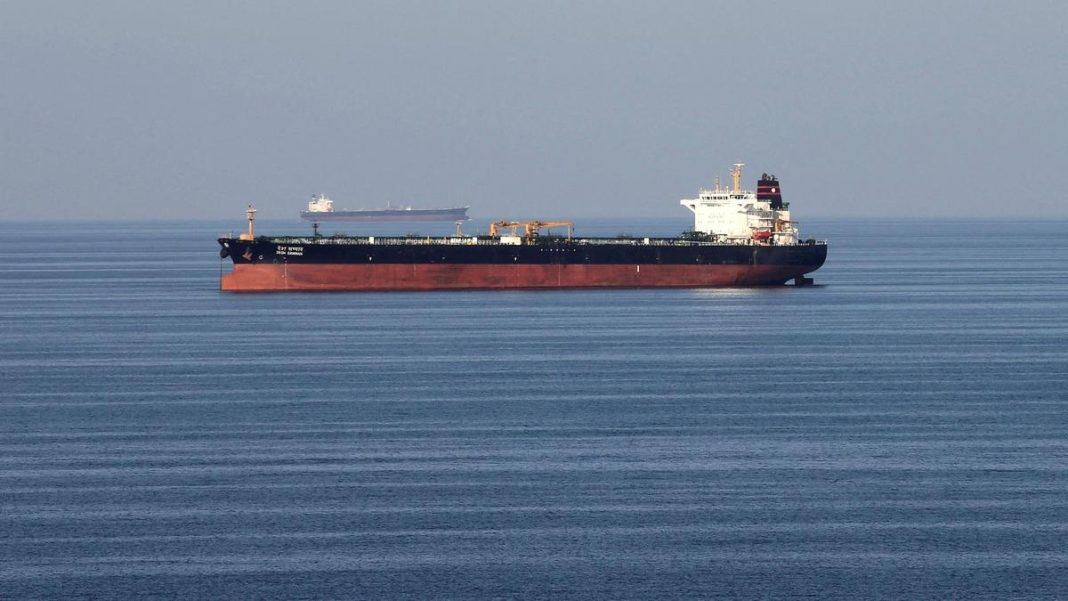
In a significant development that underscores the volatile geopolitical landscape of the Middle East, Iranian media outlets have reported the seizure of an oil tanker, the St. Nikolas, in the Gulf of Oman. Crucially, among the crew members on board are several Indian nationals, a detail that has immediately raised concerns in New Delhi and highlighted the human element caught in complex international disputes. The vessel, managed by a Greek shipping company, was reportedly en route to Turkey carrying Iraqi crude oil when it was boarded by Iranian forces, a move Iran states is in retaliation for a previous U.S. seizure of its oil.
The Seizure and India’s Immediate Concerns
The incident unfolded on Thursday morning in the strategic Gulf of Oman, a critical maritime passage that connects the Persian Gulf to the open sea. According to reports from Iran’s state-run media, the Islamic Revolutionary Guard Corps (IRGC) Navy was responsible for the seizure. The St. Nikolas, formerly known as the Suez Rajan, had been at the centre of a protracted dispute last year when the U.S. Justice Department seized its cargo of Iranian oil on grounds of sanctions violations. Iran’s latest action appears to be a direct response to that event, with Iranian authorities citing a court order for the seizure.
The Marshall Islands-flagged tanker, operated by Greek company Empire Navigation, was carrying approximately 145,000 tonnes of crude oil. While the precise number of Indian crew members has not been officially confirmed by Indian authorities, initial reports from Iranian media indicated their presence. This instantly triggered a response from India’s Ministry of External Affairs (MEA), which confirmed it was actively monitoring the situation. Diplomatic channels are being engaged to ascertain the full details of the incident, including the exact number and well-being of any Indian nationals on board, and to secure their swift and safe return.
Geopolitical Flashpoint: The Gulf of Oman and Beyond
The Gulf of Oman, adjacent to the Strait of Hormuz – through which a significant portion of the world’s oil supply passes – has long been a flashpoint for regional tensions. This latest seizure by Iran adds another layer of complexity to an already fraught security environment. The region has witnessed numerous attacks on shipping and tanker seizures in recent years, often linked to the broader geopolitical rivalry between Iran and Western powers, particularly the United States, and the ongoing sanctions regime against Tehran.
The timing of this incident is also critical, occurring amidst heightened tensions in the Red Sea, where Yemen’s Houthi rebels (backed by Iran) have been targeting commercial vessels in solidarity with Palestinians in Gaza. While the seizure of the St. Nikolas is distinct in its stated motivation – a direct retaliation against a U.S. action – it contributes to an overarching climate of instability that threatens global shipping and energy markets. For India, a major importer of crude oil and a nation with significant maritime trade interests, the safety of these crucial waterways is paramount. The presence of Indian seafarers on vessels navigating these waters further amplifies India’s concerns, making their welfare a top diplomatic priority.
“India remains deeply concerned about the safety and well-being of its nationals caught in such geopolitical incidents. Our priority is always to ensure their swift and safe return, and we are engaging with all relevant parties,” an unnamed source familiar with India’s diplomatic efforts stated, highlighting the government’s unwavering focus on its citizens abroad.
India’s Diplomatic Path and Crew Welfare
India has a long history of navigating complex international situations to ensure the safety and repatriation of its citizens. In similar past incidents involving the detention of Indian seafarers in the Gulf region, the MEA has consistently pursued a diplomatic approach, engaging with the concerned governments and vessel operators. The immediate steps typically involve establishing contact with Iranian authorities through its embassy in Tehran, as well as reaching out to the Greek shipping company to gather concrete information about the crew’s manifest and current conditions.
The welfare of the crew, including access to communication, medical assistance if needed, and ultimately their safe release and repatriation, will be the central focus of India’s diplomatic efforts. Such incidents underscore the inherent risks faced by seafarers, many of whom are Indian, working in these vital but volatile maritime corridors. As the situation unfolds, the global shipping community and various governments will be closely watching for a resolution, hoping for a swift and peaceful de-escalation that ensures the safety of all personnel on board and upholds the principles of free navigation.
The seizure of the St. Nikolas serves as a stark reminder of the interconnectedness of global politics, energy security, and human lives. For India, the primary concern remains the safety of its citizens, and diplomatic efforts will be in full swing to secure their release from what has become another chapter in the Middle East’s enduring maritime tensions.

