


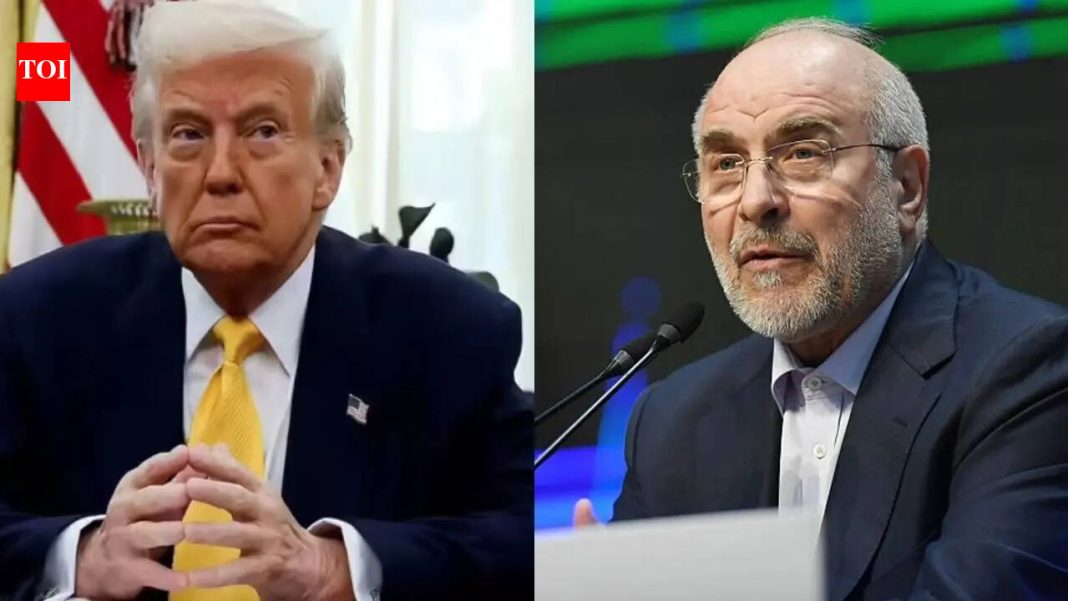
The simmering tensions between the United States and Iran have reached a new boiling point, with a dangerous exchange of rhetoric echoing across global capitals. Following US President Donald Trump’s blunt dismissal of Tehran’s latest peace proposal as a “piece of garbage,” Iran has responded with a stark warning: it is ready to “teach a lesson” if attacked. This escalation underscores the precarious state of affairs in the Middle East, a region whose stability is intrinsically linked to global energy markets and peace, a concern keenly observed in India.
Escalating Rhetoric and Veiled Threats
The latest war of words commenced after Iranian Foreign Minister Javad Zarif presented what he described as a new peace initiative, reportedly aimed at fostering regional dialogue and a non-aggression pact. While specific details of the proposal remained somewhat guarded, Zarif had hinted at a framework for de-escalation and security cooperation among Persian Gulf nations. However, President Trump, speaking to reporters, unequivocally rejected the overture, stating, “He wants to make a deal, and his deal is a piece of garbage.”
Tehran’s reaction was swift and defiant. Major General Gholamali Rashid, commander of the Khatam al-Anbiya Central Headquarters, a key Iranian military command, issued a stern warning. He stated, “Any country that makes a mistake and launches an attack on the Islamic Republic of Iran will definitely receive a strong response and will be taught a lesson, which will stay with them for a long time.” This statement, widely reported by state media, leaves little room for ambiguity, signalling Iran’s resolve to defend its sovereignty and interests against any perceived aggression. The back-and-forth illustrates a deeply entrenched mistrust, with each side viewing the other’s intentions through a lens of suspicion and hostility.
The Roots of Distrust: From JCPOA to Maximum Pressure
The current confrontation is deeply rooted in the US withdrawal from the Joint Comprehensive Plan of Action (JCPOA), commonly known as the Iran nuclear deal, in May 2018. Trump’s administration deemed the deal insufficient and reinstituted crippling sanctions against Iran, adopting a “maximum pressure” campaign designed to compel Tehran to negotiate a new, more comprehensive agreement that addresses its ballistic missile program and regional activities. Iran, in turn, views these sanctions as economic warfare and a violation of international law.
Since the US withdrawal, tensions have steadily mounted. The past year has witnessed a series of provocative incidents: attacks on oil tankers in the Gulf of Oman, the downing of a US surveillance drone by Iran, and alleged Iranian-backed attacks on oil facilities in Saudi Arabia. Each event has brought the two nations dangerously close to direct military conflict, prompting international calls for de-escalation and diplomatic engagement. The rejection of Zarif’s peace proposal, regardless of its merits, further shrinks the already narrow window for diplomatic solutions, pushing the rhetoric closer to the brink of military confrontation rather than away from it.
Regional Implications and India’s Balancing Act
The escalating US-Iran standoff carries significant implications for regional stability and the global economy. The Persian Gulf, a crucial maritime artery, facilitates a substantial portion of the world’s oil trade. Any disruption in this region, whether due to direct conflict or heightened insecurity, would inevitably lead to spikes in global oil prices and severe economic repercussions. For India, a major energy importer with a substantial diaspora in the Gulf region, these developments are a cause for considerable concern.
India maintains historical and strategic ties with Iran, including its involvement in the Chabahar Port project, which offers India a vital trade route to Afghanistan and Central Asia, bypassing Pakistan. Despite US sanctions, India has attempted to balance its strategic interests with its relationship with Washington, navigating a complex diplomatic tightrope. New Delhi has consistently advocated for peaceful resolution through dialogue and de-escalation, urging all parties to exercise restraint. The prospect of military conflict in its extended neighbourhood poses direct threats to India’s energy security, trade routes, and the safety of its citizens abroad. As such, India’s stance remains one of keen observation and a fervent hope for a return to diplomacy to avert a full-blown crisis.
The current impasse between Washington and Tehran represents a perilous moment for international relations. With both sides entrenched in their positions and exchanging increasingly hostile rhetoric, the path to de-escalation appears fraught with challenges. The global community, including India, watches with bated breath, hoping that reason and diplomacy will ultimately prevail over the ominous shadows of conflict.

