


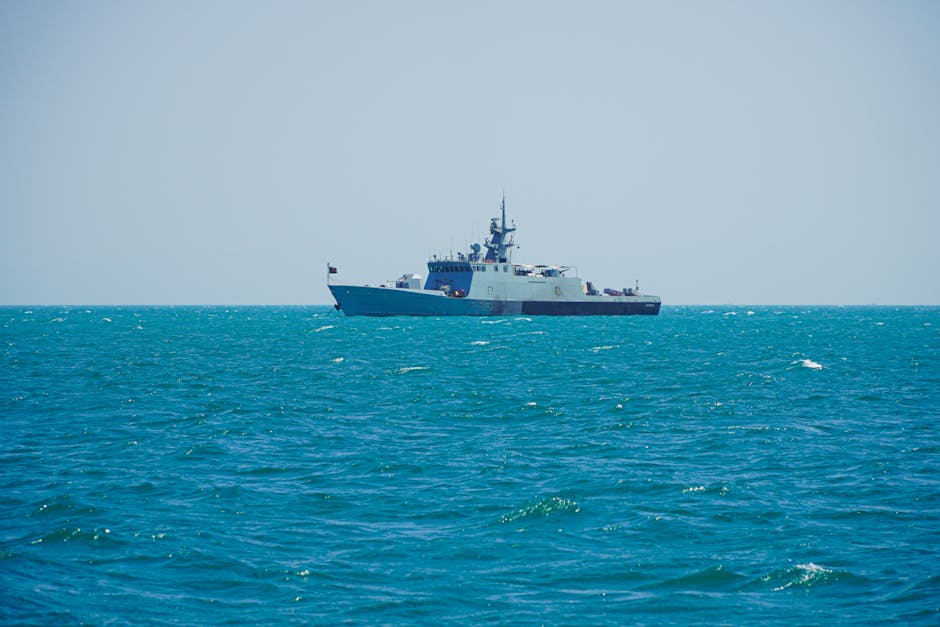
The Strait of Hormuz, a narrow yet profoundly significant maritime choke point, once again finds itself at the epicentre of international attention following the recent release of dramatic footage by Iran’s Islamic Revolutionary Guard Corps (IRGC). The video purports to show an Iranian vessel warning a US warship to “stay away,” escalating an already tense relationship between Tehran and Washington. For global energy markets and nations like India, heavily reliant on this vital shipping lane, such incidents are a stark reminder of the region’s inherent volatility and the delicate balance of power at play.
The Strategic Chokepoint: Hormuz Strait’s Global Significance
Connecting the Persian Gulf to the Arabian Sea and beyond, the Strait of Hormuz is not merely a stretch of water; it is a linchpin of global energy security and international trade. Approximately one-fifth of the world’s total petroleum consumption, including a significant portion of crude oil and liquefied natural gas (LNG), transits through this 39-kilometre-wide waterway daily. For major energy importers such as India, which sources a substantial chunk of its crude oil requirements from Gulf nations like Saudi Arabia, Iraq, and the UAE, the stability of the Strait is paramount. Any disruption, even a minor one, can send ripples through international oil prices, directly impacting India’s economy, inflation rates, and consumer fuel costs.
The Strait’s geopolitical importance has historically made it a flashpoint. From tanker wars in the 1980s to more recent episodes involving alleged attacks on commercial vessels and the seizure of oil tankers, the waterway has witnessed numerous incidents underscoring its vulnerability. The constant presence of naval forces from various nations, primarily the United States and its allies, alongside Iran’s formidable naval capabilities, creates a complex and often precarious security environment.
Iran’s Assertive Stance: The Footage and Its Message
The recently released footage, widely circulated by Iranian state media, showcases what appears to be an IRGC patrol boat engaging with a US naval vessel. The accompanying audio transmission reportedly features an Iranian officer issuing a stern warning, instructing the US warship to alter its course and maintain a safe distance. While the exact date and context of the interaction remain subject to interpretation, the timing of its release is undoubtedly deliberate.
Iran frequently employs such gestures to project its military prowess and assert its sovereignty over the Persian Gulf, which it considers its immediate maritime backyard. The message is multifaceted: it aims to demonstrate Tehran’s readiness to defend its territorial interests, deter perceived foreign aggression, and reassure its domestic audience of its strength. “Our message is clear: the Persian Gulf is our home, and we will defend its security against any intrusion,” a senior IRGC commander reportedly stated, reinforcing Iran’s long-held position on regional security and its capacity to act independently.
Such incidents also serve as a barometer for the broader US-Iran relationship, which remains fraught with tension over issues ranging from Iran’s nuclear programme and sanctions to regional proxy conflicts. Iran’s actions are often a direct response to the US military presence in the region and Washington’s diplomatic and economic pressure campaigns, reflecting a tit-for-tat dynamic that keeps regional stakeholders constantly on edge.
Global Implications and India’s Balancing Act
The latest incident in the Strait of Hormuz carries significant global implications. For the United States and its regional allies, it highlights the persistent challenges of navigating a volatile region while ensuring freedom of navigation. For other nations, particularly those with substantial economic interests in the Middle East, it underscores the fragility of supply chains and the constant threat of disruption.
From India’s perspective, the situation in the Strait of Hormuz presents a delicate diplomatic tightrope walk. As a major economy with rapidly growing energy needs, India cannot afford instability in a region critical to its economic lifeline. New Delhi has consistently advocated for de-escalation, dialogue, and a peaceful resolution to regional disputes, urging all parties to exercise restraint. India’s strategic partnerships with Gulf countries, its historical ties with Iran, and its robust economic engagements across the region necessitate a policy of careful balance. Any escalation, whether accidental or intentional, could not only jeopardise India’s energy security but also its trade routes and the safety of its diaspora working in the Gulf.
Ultimately, the footage released by Iran serves as a potent reminder of the inherent risks in one of the world’s most critical maritime passages. It underscores the enduring tensions in the Persian Gulf and the imperative for sustained diplomatic efforts to prevent miscalculation and ensure stability for the benefit of global trade and peace.

