


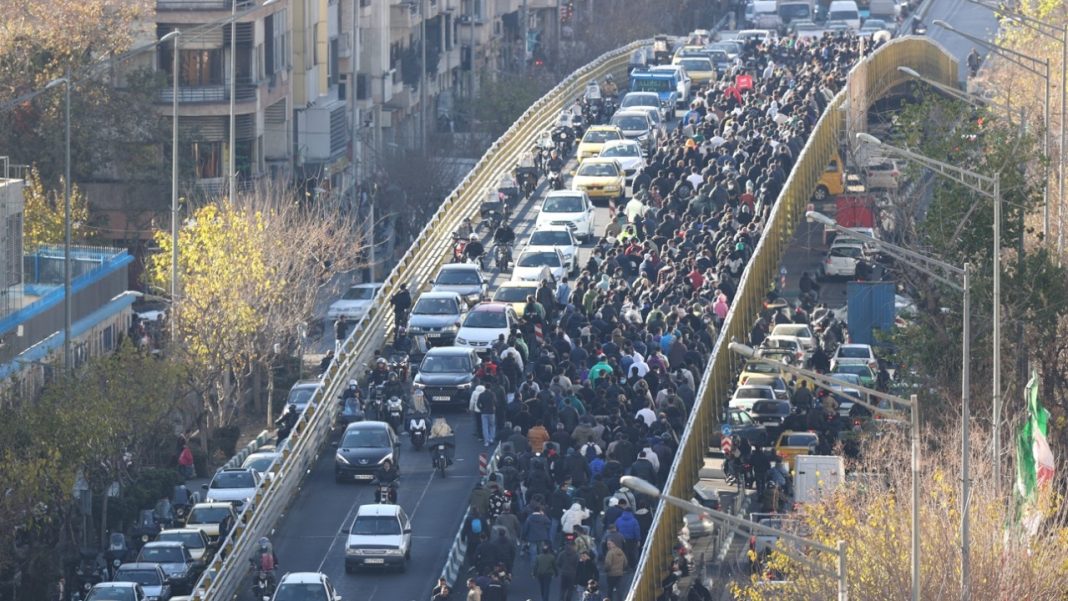
Iran finds itself teetering on a precipice as a wave of protests, initially sparked by worsening economic conditions, has escalated into a direct challenge against the ruling establishment and its supreme leader, Ayatollah Ali Khamenei. Reports indicate several fatalities amid widespread unrest across numerous cities, painting a grim picture of a nation grappling with profound public discontent. For India, a significant regional partner and energy importer, the instability in Iran carries considerable geopolitical and economic implications.
The Spark of Discontent: Economic Hardship Fuels Fury
What began as localised demonstrations against soaring inflation, high unemployment, and the rising cost of basic necessities has rapidly morphed into broader anti-government rallies. The immediate triggers often include government decisions perceived as burdensome, such as subsidy cuts or price hikes on essential goods. Iran’s economy, already reeling from years of international sanctions, particularly those re-imposed by the United States after withdrawing from the 2015 nuclear deal, has been further exacerbated by alleged domestic mismanagement and corruption.
Citizens, particularly the youth, are increasingly frustrated by the lack of opportunities and the erosion of their purchasing power. Food prices have skyrocketed, the national currency has depreciated significantly, and social services are under strain. These economic grievances are not new, but their intensity and widespread nature this time suggest a deeper disillusionment with the clerical establishment’s ability to deliver stability and prosperity. The protests have spread from smaller towns to major urban centres like Tehran, Mashhad, and Isfahan, with participants chanting slogans directly targeting the regime and its policies, underscoring a palpable shift in public sentiment.
Regime Under Pressure: Crackdown and Geopolitical Fallout
The Iranian government has responded with a mixture of stern warnings and security crackdowns. State media have reported arrests, and access to social media platforms, vital for organising and disseminating information among protestors, has frequently been restricted. While authorities often blame “foreign enemies” for instigating the unrest, the scale and persistence of the protests suggest genuine domestic grievances. The reported deaths during clashes between protestors and security forces have only intensified the volatile situation, drawing condemnation from international human rights organisations.
The internal strife in Iran resonates far beyond its borders, particularly in a region already fraught with geopolitical tensions. Iran plays a pivotal role in the Middle East, from its involvement in Syria and Iraq to its rivalry with Saudi Arabia. Instability within Iran could potentially alter regional power dynamics, impact global oil markets, and influence ongoing nuclear negotiations. For India, which maintains a delicate balance in its relations with various Middle Eastern powers, the situation is particularly concerning. India has significant investments in Iran, notably the Chabahar Port, which is crucial for trade connectivity with Afghanistan and Central Asia, bypassing Pakistan. Any prolonged unrest could jeopardise these strategic projects and potentially disrupt energy supplies.
Dr. Sanam Vakil, a senior research fellow at Chatham House, observed, “These protests signal a profound breakdown of trust between the Iranian people and their leadership. It’s not just about economic hardship; it’s a cry for dignity, transparency, and a system that is perceived as accountable.” This sentiment highlights the multifaceted nature of the current unrest, extending beyond purely economic concerns to fundamental questions of governance and human rights.
An Uncertain Future for Iran and Its Neighbours
As the protests continue to unfold, the future of Iran remains uncertain. The Ayatollah’s government faces the formidable challenge of addressing the deep-seated grievances of its populace while maintaining control. A heavy-handed approach risks further alienation and escalation, while concessions might be seen as a sign of weakness. The international community watches closely, with many nations urging restraint and respect for human rights, though official statements often reflect their own geopolitical interests.
For India, the situation underscores the need for cautious diplomacy and strategic foresight. While energy imports from Iran have seen fluctuations due to sanctions, India’s historical ties and strategic interests in the region necessitate a nuanced approach. The current unrest serves as a potent reminder that internal stability in a key regional player like Iran has far-reaching consequences, influencing everything from global supply chains to regional security architecture. The coming weeks will be crucial in determining the trajectory of these protests and, by extension, the future stability of Iran and its intricate web of regional relationships.
The protests in Iran are a complex tapestry woven with threads of economic distress, political frustration, and a yearning for change. As the nation stands on edge, the world watches to see whether the clerical establishment can navigate this critical period, or if the current unrest signals a more fundamental shift in the country’s trajectory.

