


The Strait of Hormuz, a narrow waterway connecting the Persian Gulf to the open ocean, is arguably the world’s most critical oil chokepoint. Its potential closure has long been a recurring geopolitical concern, capable of sending seismic shocks through global energy markets. Amidst heightened tensions in the Middle East, a recent statement from Iran’s United Nations Envoy has brought a measure of clarity and reassurance to the international community, particularly to energy-dependent nations like India.
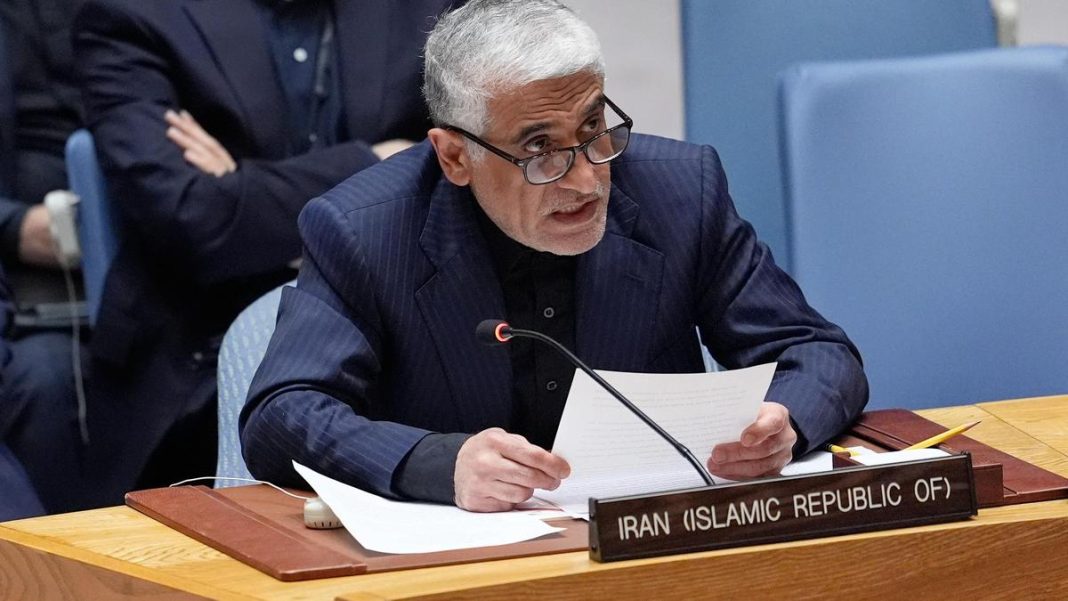
Amir Saeid Iravani, Iran’s Permanent Representative to the UN, recently affirmed that Iran has no intention of closing the Strait of Hormuz. This declaration, made during a period when regional waterways are facing unprecedented disruptions – notably the Houthi attacks in the Red Sea – underscores Iran’s official stance on maintaining the free flow of international maritime trade through this vital artery. For importers worldwide, and especially for India which relies heavily on Gulf energy, this statement offers a significant sigh of relief.
The Strait of Hormuz: A Global Economic Lifeline
To understand the gravity of Iran’s statement, one must appreciate the unparalleled strategic importance of the Strait of Hormuz. This narrow passage, barely 21 nautical miles wide at its narrowest point, serves as the sole maritime route for oil and liquefied natural gas (LNG) exports from major Gulf producers including Saudi Arabia, Iran, the UAE, Kuwait, Qatar, and Iraq. Approximately one-fifth of the world’s total petroleum consumption and one-quarter of global LNG traverse this strait daily.
For India, the implications are profound. A significant portion of India’s crude oil imports, vital for powering its growing economy, originates from Gulf nations and must pass through the Strait of Hormuz. Any disruption, let alone a closure, would not only lead to an immediate and sharp surge in global oil prices but would also directly threaten India’s energy security, potentially triggering inflation, supply chain disruptions, and an economic slowdown. Past threats by Iran to close the strait, often in response to sanctions or military provocations, have historically sent jitters through global markets, highlighting its vulnerability and geopolitical sensitivity.
Tehran’s Reassurance Amidst Regional Volatility
Iran’s explicit assurance comes at a time when the broader Middle East is grappling with escalating conflicts and maritime insecurities. The ongoing conflict in Gaza has ripple effects across the region, including the Red Sea where Yemen’s Houthi rebels have targeted commercial shipping, significantly impacting global trade routes and forcing many vessels to re-route around Africa. In this context, concerns about other critical chokepoints, such as the Strait of Hormuz, have naturally intensified.
It is against this backdrop that Ambassador Iravani’s remarks gain particular significance. He explicitly stated, “Iran is not going to close the Strait of Hormuz.” He further elaborated that Iran’s actions are focused on safeguarding its sovereignty and interests, not on disrupting international navigation. This clarification seeks to differentiate Iran’s policy from the actions of other non-state actors in the region and to project an image of adherence to international maritime law concerning this critical passage. While Iran has, at times, used the threat of closure as a deterrent, an actual closure would also severely impact its own oil exports, further isolating its economy.
India’s Stake in Regional Stability and Diplomatic Nuance
For India, a nation deeply invested in the stability of the Gulf region, this statement from Tehran provides a degree of comfort. India maintains robust economic and strategic ties with Gulf Cooperation Council (GCC) countries while also nurturing a complex relationship with Iran. Its Chabahar Port project in Iran, for instance, offers a crucial alternative trade route bypassing Pakistan and facilitating connectivity to Afghanistan and Central Asia.
The stability of the Strait of Hormuz is therefore not merely an economic imperative for India but also a strategic one. While India navigates its diplomatic relations with various regional players, a clear commitment from Iran to keep the strait open is highly beneficial. It reinforces the expectation of unimpeded maritime trade, which is fundamental to India’s economic trajectory and energy security. However, India, like other global powers, remains vigilant, recognizing that while official statements are important, the geopolitical landscape of the Middle East remains inherently complex and prone to rapid shifts.
In conclusion, Iran’s UN Envoy’s unequivocal declaration that the Strait of Hormuz will remain open is a vital piece of information in a volatile regional puzzle. It assuages immediate fears of a potential energy crisis and provides a measure of stability for global trade, particularly for energy-hungry nations like India. While the broader Middle East continues to present significant challenges, this official stance from Tehran reaffirms the critical importance placed on maintaining the integrity of international maritime arteries, even amidst escalating geopolitical tensions.

