


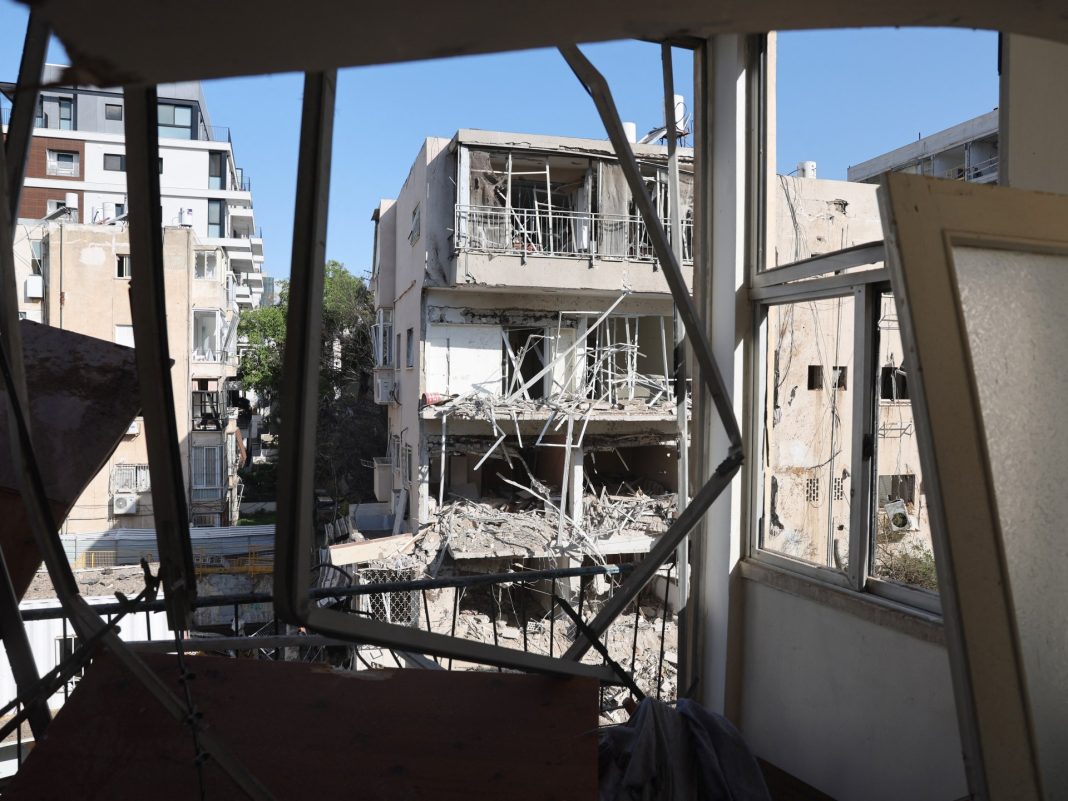
The night skies over Israel recently lit up with an unprecedented barrage as Iran launched waves of drones and missiles in a direct retaliatory strike. This dramatic escalation on April 13-14, 2024, marked a significant turning point in the long-simmering shadow war between the two regional adversaries, bringing fears of a wider Middle East conflict to the forefront of global discourse. The Islamic Revolutionary Guard Corps (IRGC) announced the operation, dubbed “True Promise,” as a response to an Israeli strike on Iran’s consulate in Damascus, Syria, earlier in April, which killed several senior Iranian commanders. As the world grapples with the immediate aftermath and potential next steps, nations like India closely monitor the situation, understanding the profound implications for regional stability, global energy markets, and the safety of its diaspora.
The Night of “True Promise”: An Unprecedented Barrage
Iran’s attack was carefully orchestrated, involving a multi-layered assault. Initially, slower-moving Shahed drones were launched, followed by cruise missiles and eventually, ballistic missiles. This staggered approach was likely designed to overwhelm Israel’s air defense systems, including the formidable Iron Dome, David’s Sling, and Arrow systems. The vast majority of the approximately 300 projectiles – encompassing drones, ballistic missiles, and cruise missiles – were successfully intercepted, largely outside Israeli airspace. Crucially, this defensive success was not solely Israel’s; it involved significant assistance from the United States, United Kingdom, France, and even Jordan, highlighting the broad international concern over the potential for regional conflagration.
While the physical damage within Israel was minimal, with only one military base sustaining light damage and a young Bedouin girl seriously injured by falling shrapnel, the psychological and strategic impact was profound. Iran, through its state media, declared the operation a success, asserting its right to self-defense under international law and warning against any Israeli counter-response. Conversely, Israeli officials condemned the attack as a clear act of aggression and a blatant violation of sovereignty, vowing to respond at a time and place of their choosing. The immediate hours following the attack saw frantic diplomatic activity, with calls for de-escalation emanating from the UN Security Council and G7 leaders, all acutely aware of the delicate balance teetering on the brink of wider conflict.
Global Ripples and India’s Balancing Act
The direct confrontation between Iran and Israel has sent shockwaves across the international community, raising urgent questions about regional stability and global economic security. For India, a nation with significant strategic and economic interests in the Middle East, the escalating tensions present a complex challenge. India maintains historical ties with both Iran and Israel, navigating a foreign policy that prioritizes strategic autonomy and peace in a critical neighbourhood. The Ministry of External Affairs swiftly issued a statement expressing “serious concern” and calling for “immediate de-escalation” and a return to diplomacy.
The potential economic ramifications for India are substantial. As a major importer of crude oil, any disruption to oil production or shipping routes – particularly through the Strait of Hormuz – could lead to a sharp increase in global oil prices, directly impacting India’s economy and inflation. Furthermore, the region hosts millions of Indian expatriates whose safety and well-being become a paramount concern in times of conflict. India’s substantial trade links, investments in infrastructure projects like the Chabahar Port in Iran, and growing defense ties with Israel, all underscore the intricate web of interests at stake.
“As an influential voice for peace and stability, India has consistently advocated for de-escalation and a peaceful resolution of disputes through dialogue and diplomacy,” remarked a senior foreign policy analyst in New Delhi, underscoring India’s long-standing position. This approach reflects India’s recognition that prolonged instability in the Middle East is detrimental to its own growth trajectory and regional security. India has historically championed multilateralism and adherence to international law, urging all parties to exercise restraint and avoid actions that could further inflame an already volatile situation.
The recent exchange of fire between Iran and Israel marks a perilous new chapter in the Middle East’s geopolitical landscape. While the immediate threat appears to have subsided, the underlying tensions and the stated intent for retaliation from both sides keep the region, and indeed the world, on edge. For India, the imperative remains clear: to safeguard its national interests, ensure the safety of its citizens abroad, and actively promote dialogue and de-escalation. The international community now watches anxiously, hoping that diplomacy can avert a catastrophic wider war and guide the region back from the brink.

