


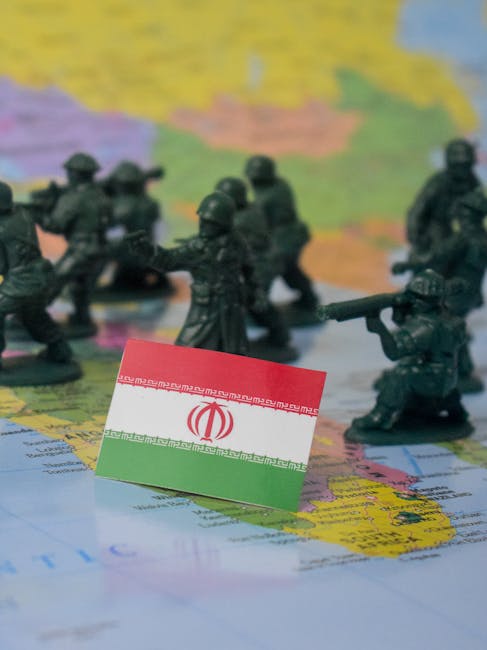
The geopolitical chessboard is rarely calm, but sometimes, the pieces on the board seem to align in a way that sends shivers down the spine of even the most seasoned observer. Such is the feeling right now, as news ripples through the global consciousness: an Iranian attack in close proximity to an Israeli nuclear research center, occurring against the backdrop of an American administration’s pointed threats to bomb Iran’s power plants. This isn’t just about rockets and rhetoric; it’s about a dangerous dance on the edge of a precipice, with stakes that couldn’t be higher.
A Dangerous Proximity: The Message Sent
An attack near a nuclear research center is never accidental. It’s a deliberate, calculated move designed to send an unmistakable message. When Iran’s actions placed an impact zone within striking distance of a site of such strategic national importance to Israel, it wasn’t just a physical strike; it was a profound psychological and symbolic one. It screams: we know where your sensitive spots are, and we can reach them. It’s a direct challenge to Israeli security and its strategic depth, hinting at capabilities that go beyond conventional warfare and into the realm of potential WMD implications, even if the immediate attack was conventional.
This kind of targeting isn’t about mere retaliation for an isolated incident. It elevates the conflict to a different level, forcing a re-evaluation of red lines and deterrents. It underscores the fragility of the regional balance and the ever-present threat of proliferation. The unspoken question hanging in the air is chilling: what if the next strike, by either side, isn’t so precisely aimed, or carries a far more devastating payload?
The Echo of Escalation: Threats and Counter-Threats
Layered over this immediate tension is the chilling context of past declarations from a former US administration. To openly threaten the bombing of Iran’s power plants is to talk about crippling a nation’s infrastructure, affecting millions of civilians, and fundamentally undermining its capacity to function. This isn’t surgical defense; it’s a proposal for widespread destruction, a direct challenge to national sovereignty and the lives of ordinary citizens.
This interplay creates a particularly toxic dynamic. Iran’s attack, in this light, could be interpreted as a defiant response, a demonstration that they will not be intimidated, or perhaps even a preemptive show of force. The threat from the US, meanwhile, adds fuel to an already burning fire, making de-escalation exponentially harder. It creates a feedback loop of aggression, where each action, each word, raises the temperature a few more degrees.
As one geopolitical analyst recently put it, “We’re witnessing a dangerous game of chicken, where both sides believe they can push the other to the brink without actually going over. The problem is, history is littered with examples where miscalculation was the true enemy, not malicious intent.” This sentiment perfectly captures the tightrope walk currently underway. The margin for error is razor-thin, and the consequences of a misstep are truly global.
The world watches, holding its breath, as these powerful players engage in a high-stakes standoff. The region, already volatile, teeters on the edge of an even greater conflagration, driven by a complex web of historical grievances, perceived threats, and a terrifying willingness to push the boundaries of conflict.
What this moment unequivocally reveals is the perilous state of global security when powerful nations prioritize posturing and threats over diplomacy and de-escalation. The proximity of an attack to a nuclear site, coupled with explicit threats against critical national infrastructure, paints a grim picture. It’s a stark reminder that the invisible lines of conflict can quickly become terrifyingly visible, demanding a global plea for restraint before the unthinkable becomes the undeniable.

