


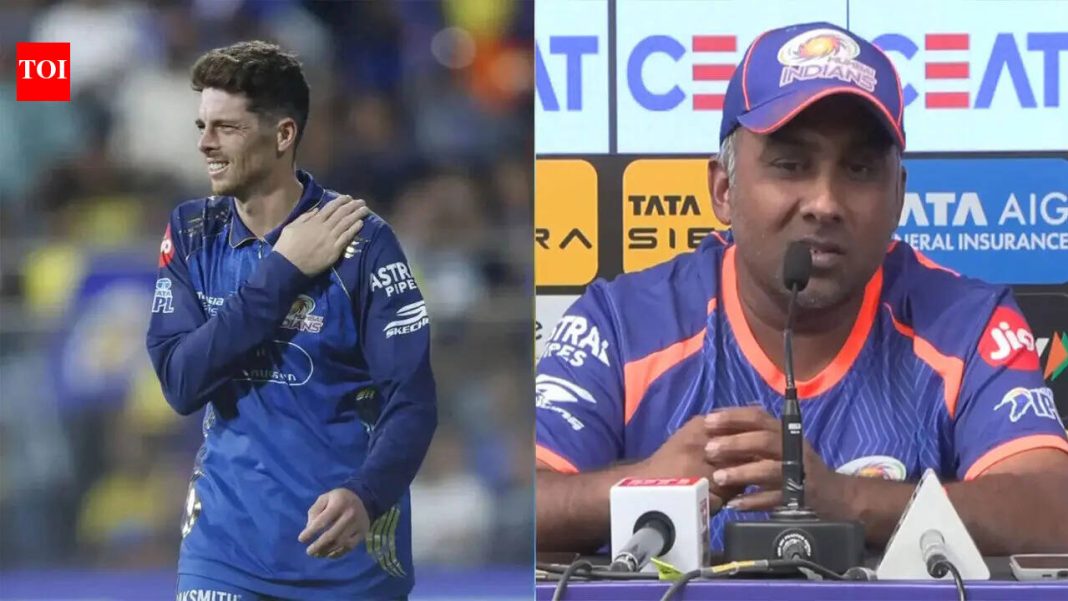
The Indian Premier League (IPL), a spectacle known for its high-octane cricket and innovative rule adaptations, is constantly evolving. As anticipation builds for IPL 2026, discussions around player welfare and game regulations are gaining prominence. A recent statement from former Sri Lankan skipper and influential IPL team management figure, Mahela Jayawardene, has sparked considerable interest, focusing on a seemingly paradoxical scenario: the potential use of a concussion substitute for a shoulder injury. This nuanced interpretation, as explained by Jayawardene, highlights the league’s progressive stance on player safety and the intricate considerations behind modern cricket’s medical protocols.
The Evolution of the Concussion Substitute Rule
The introduction of the concussion substitute rule marked a significant paradigm shift in international cricket, driven by growing awareness of head trauma and its long-term health implications for athletes. Adopted by the International Cricket Council (ICC) in 2019 and subsequently integrated into major T20 leagues like the IPL, the rule allows for a like-for-like replacement of a player who has sustained a confirmed or suspected concussion during a match. The primary objective is unequivocal: to prioritise player well-being above immediate competitive concerns.
Under the existing framework, an independent medical professional assesses the player exhibiting concussion symptoms. If a concussion is diagnosed or strongly suspected, the match referee approves a substitute, ensuring the integrity of the contest isn’t unduly compromised. This “like-for-like” principle means a batter replaces a batter, a bowler a bowler, and an all-rounder an all-rounder, maintaining team balance. While initially met with some apprehension regarding potential misuse, the rule has largely been lauded for promoting a safer playing environment.
Mahela Jayawardene’s Clarification: Beyond the Obvious Injury
The perplexing notion of a concussion substitute for a shoulder injury necessitates a deeper understanding of medical protocols in high-impact sports. Mahela Jayawardene’s explanation sheds light on how a significant physical trauma, even if outwardly manifesting as a non-head injury, can trigger a mandatory concussion assessment, potentially leading to a substitute being deployed.
Jayawardene clarified that the rule isn’t being redefined to cover all injuries. Instead, it’s about the mechanism of injury and the potential for unseen head trauma. When a player suffers a severe impact – such as a heavy fall while fielding or diving, leading to a visible injury like a dislocated shoulder or a significant bruise – the force involved can often have secondary neurological effects. The initial visible injury might be the shoulder, but the concurrent impact on the ground or collision could have caused a mild traumatic brain injury (MTBI) or concussion, whose symptoms might not appear immediately.
“The spirit of the concussion substitute rule is paramount: player safety above all. When a player suffers a severe impact, say a nasty fall leading to a shoulder injury, the medical team’s protocol mandates a thorough head injury assessment. Even if the visible injury is the shoulder, the sheer force of the impact can have unseen neurological effects. If our doctors determine that a player is even at risk, or needs further observation for potential concussion symptoms, then invoking the substitute allows us to prioritize their long-term health without compromising competitive balance unduly. It’s about protecting players from potentially serious, delayed consequences of head trauma,” Jayawardene elaborated, shedding light on the nuanced approach.
This proactive stance is crucial. Medical teams are trained to look beyond the immediately obvious injury and assess the entirety of the incident. If the fall or collision was forceful enough to cause a shoulder injury, it is also highly probable that the player’s head sustained an impact, even if they don’t immediately report dizziness or nausea. The assessment protocol, therefore, becomes comprehensive, triggering a mandatory check for any signs or risks of concussion. If the medical team, after thorough evaluation, determines there’s a plausible risk of concussion or if the player needs to be removed for further observation to rule out head trauma, the concussion substitute rule provides the necessary framework to ensure their removal from the field without disadvantaging the team.
Implications for IPL 2026 and Player Welfare
This refined understanding and application of the concussion substitute rule promise enhanced player safety for IPL 2026. Teams will need to be even more vigilant regarding the physical well-being of their players after any significant impact, regardless of the initial diagnosis. It empowers medical staff to make decisions that prioritise long-term health, moving beyond immediate injury assessment to consider potential underlying neurological damage.
For the franchises, this means stricter adherence to medical protocols and potentially more strategic decision-making. The availability of a like-for-like replacement mitigates the competitive disadvantage, ensuring that teams are not unduly punished for prioritizing a player’s health. For fans, it’s a testament to the league’s commitment to athlete welfare, a vital aspect of modern sports.
As the IPL continues to lead the way in cricket innovation, its approach to player safety, particularly concerning head trauma, remains at the forefront. Mahela Jayawardene’s explanation underscores a mature and responsible evolution of rules, ensuring that even in the heat of competition, the well-being of the athletes remains paramount. The IPL 2026 will undoubtedly showcase how these meticulously designed protocols contribute to a safer, yet equally thrilling, cricketing experience.
—

