


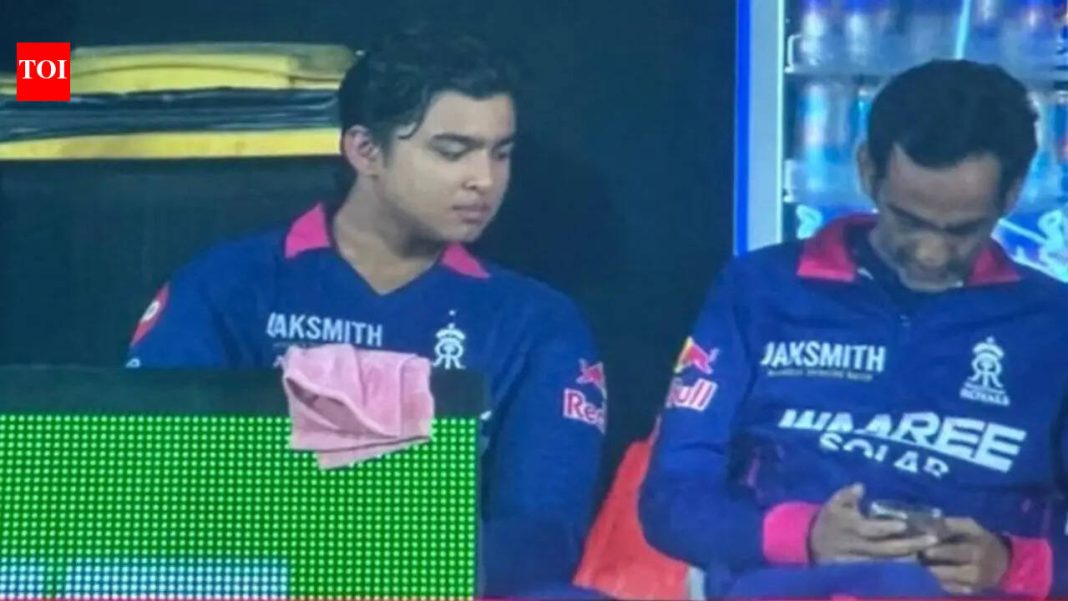
The glitz, glamour, and high-octane action of the Indian Premier League (IPL) always keep fans on the edge of their seats. As the 2026 season hurtles towards its crucial stages, every single move, both on and off the field, comes under intense scrutiny. While the focus is primarily on stellar performances and nail-biting finishes, an incident involving Rajasthan Royals (RR) manager Romi Bhinder has cast a spotlight on the meticulous protocols designed to uphold the integrity of the game. The alleged violation, specifically concerning the use of a mobile phone within the dugout, has ignited discussions across cricketing circles, underscoring the strict regulations governing the Player and Match Officials Area (PMOA).
The Dugout Incident: A Breach of Strict Protocols
The incident in question reportedly occurred during a high-stakes encounter in the ongoing IPL 2026 season. Observers noted Rajasthan Royals team manager, Romi Bhinder, allegedly using a mobile phone while seated in the team’s dugout. This seemingly innocuous act has drawn significant attention because it potentially breaches the stringent PMOA protocols established by the Board of Control for Cricket in India (BCCI) and the International Cricket Council (ICC).
The PMOA is a designated zone encompassing the playing area, dressing rooms, and dugouts, where access and communication are severely restricted. The primary objective of these rules is to prevent any form of unauthorized communication that could influence match outcomes, compromise sporting integrity, or facilitate betting-related activities. Mobile phones, smartwatches, and other communication devices are strictly prohibited for players and support staff within this area during match hours, with only specific, pre-approved devices for medical emergencies or team analysis permitted under controlled conditions.
Visuals, reportedly circulated and picked up by vigilant broadcasters, sparked the initial concern. While the exact duration or nature of the phone’s use remains to be officially confirmed, the mere presence and perceived usage of a personal communication device in such a restricted zone are considered a significant matter. The BCCI, known for its unwavering stance on maintaining the sanctity of the game, is expected to review the incident thoroughly.
Understanding PMOA Guidelines and Their Critical Importance
The PMOA guidelines are a cornerstone of modern cricket’s efforts to combat corruption and maintain fair play. Introduced and rigorously enforced, especially in high-profile leagues like the IPL, these protocols are designed to create a sterile environment free from external influences during a match. The dugout, being the nerve centre of team strategy and communication with players on the field, is particularly sensitive.
Beyond preventing direct betting or match-fixing, the ban on personal devices also serves to eliminate the perception of impropriety. In a sport where every decision and every play can have massive financial and reputational implications, even unintentional breaches can erode public trust. The rules are clear: all personal electronic devices capable of communication must be handed over to designated officials before entering the PMOA and can only be retrieved after the match concludes. This applies to players, coaches, managers, and all support staff.
“The integrity of cricket is paramount, and protocols like the PMOA are crucial in safeguarding it,” stated a former cricketer and commentator, emphasizing the gravity of such situations. “Whether it’s an accidental oversight or a momentary lapse, the rules are there for a reason, and everyone involved, especially at the professional level of the IPL, must adhere to them strictly. It’s about protecting the game from all forms of external influence.”
Potential Repercussions and the Road Ahead
Given the strict enforcement history of the BCCI and the ICC’s Anti-Corruption Unit (ACU), a breach of PMOA protocols is not taken lightly. While the exact penalties vary depending on the nature and severity of the violation, possible repercussions for Romi Bhinder and, by extension, the Rajasthan Royals, could range from official warnings and significant fines to suspensions. The BCCI’s Anti-Corruption Unit often investigates such matters meticulously to ascertain intent and impact.
The incident serves as a stark reminder to all franchise staff and players about the constant vigilance required. In an era where technology is pervasive, the lines between personal and professional conduct, especially in high-stakes environments, need to be clearly demarcated. For Rajasthan Royals, this situation could potentially disrupt team focus, although they will undoubtedly cooperate fully with any investigation to clarify the circumstances.
As the IPL 2026 season progresses, the cricket fraternity will be keenly watching for official statements from the BCCI regarding this matter. The outcome will not only determine the course of action for Romi Bhinder but also reinforce the unwavering commitment of the league to upholding the highest standards of integrity and fair play, ensuring that the focus remains solely on the thrilling contest unfolding on the pitch.

