


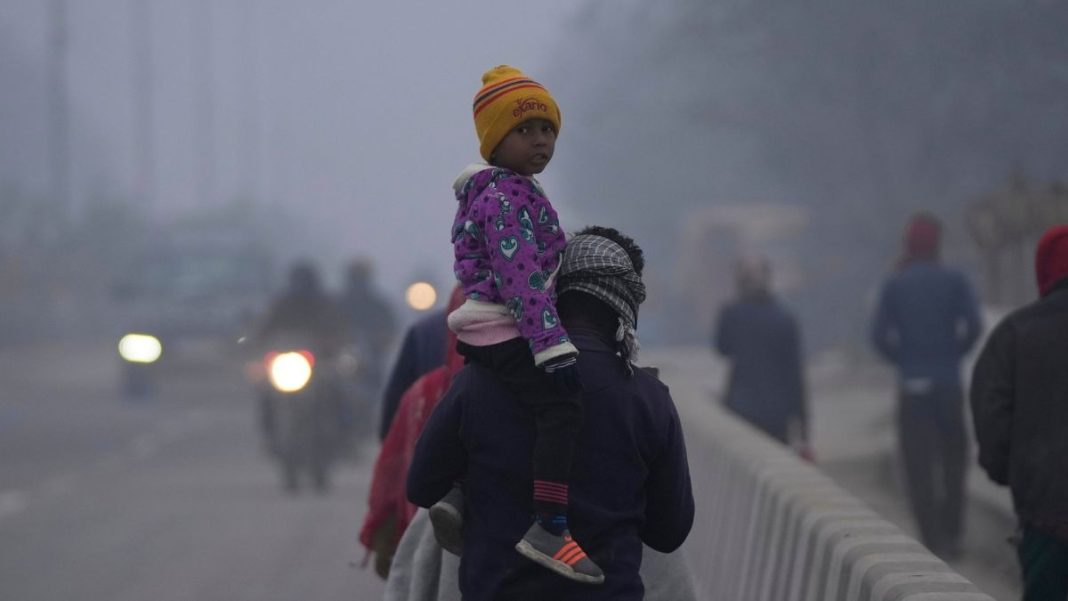
An unusual atmospheric dichotomy is poised to grip India tomorrow, with the northern plains and hills bracing for a continued onslaught of severe cold and dense fog, while parts of the southern peninsula are expected to experience unseasonal and potentially heavy rainfall. This stark meteorological contrast underscores the diverse and often unpredictable nature of India’s weather patterns, prompting widespread advisories for citizens across affected regions. As the nation prepares for another day of extreme conditions, authorities are urging heightened vigilance and preparedness.
Frozen North: A Persistent Winter Grip
The northern states of India, including Delhi-NCR, Punjab, Haryana, Rajasthan, Uttar Pradesh, and the Himalayan regions of Himachal Pradesh, Uttarakhand, and Jammu & Kashmir, are set to endure another day under the relentless grip of a severe cold wave. The India Meteorological Department (IMD) has issued warnings predicting a continuation of “severe cold day” conditions, characterized by maximum temperatures significantly below average, often struggling to climb beyond the 10-12 degrees Celsius mark in many areas. Minimum temperatures are expected to hover near or below 5 degrees Celsius, intensifying the chill, especially during morning and night hours.
A significant contributing factor to these harsh conditions is the persistence of dense to very dense fog, which is expected to blanket large swathes of the Indo-Gangetic plains. This not only reduces visibility drastically, leading to extensive disruptions in transport networks – causing delays and cancellations for numerous flights and trains – but also traps cold air near the surface, exacerbating the sensation of biting cold. Punjab, Haryana, and Uttar Pradesh are particularly vulnerable to these foggy conditions. The prolonged exposure to such extreme cold poses significant health risks, especially for vulnerable populations including the elderly, children, and homeless individuals, with local administrations implementing measures like night shelters and distributing blankets.
Soaked South: Unseasonal Downpours Predicted
In a striking juxtaposition to the frozen north, several southern states are gearing up for a spell of unseasonal rainfall. Tomorrow’s forecast indicates that parts of Tamil Nadu, Kerala, coastal Karnataka, and isolated areas of Andhra Pradesh are likely to receive light to moderate showers, with a possibility of heavy rainfall in localized pockets. This unexpected wet spell is attributed to the presence of a trough of low pressure or a cyclonic circulation in the Bay of Bengal, drawing moisture inland and interacting with prevailing atmospheric conditions.
While the intensity of these rains may not match the monsoon season, their untimely arrival can have significant implications. Farmers, whose cropping cycles are often meticulously planned around predictable weather patterns, face potential damage to standing crops. Urban areas, particularly those with existing drainage challenges, could experience waterlogging and disruptions to daily commutes. Authorities are advising residents to stay informed about local weather updates and take necessary precautions to avoid inconvenience and ensure safety during the wet spell. Fishermen along the coasts have also been advised to exercise caution due to potentially rough seas.
Commenting on the persistent weather phenomena, a senior IMD official, who preferred anonymity due to ongoing operational duties, stated, “The current atmospheric configuration is creating a unique north-south divide in weather patterns. While Western Disturbances continue to influence the north, a low-pressure system is concurrently affecting the south. Preparedness is key for all regions.”
Navigating India’s Diverse Weather Fronts
As India braces for tomorrow’s forecast – a day defined by a frigid grip in the north and unexpected wetness in the south – the emphasis remains firmly on public awareness and preparedness. Citizens in the northern plains are urged to take all necessary precautions against the severe cold, including wearing multiple layers of warm clothing, staying indoors during peak cold hours, and ensuring proper heating arrangements while maintaining ventilation. Similarly, residents in the southern states should be ready for sudden downpours, keeping umbrellas or raincoats handy and avoiding areas prone to waterlogging.
The contrasting weather fronts highlight the immense geographical and climatic diversity of India. While the IMD continues to monitor these evolving conditions closely and issue timely updates, individual vigilance will be paramount in mitigating the impact of these challenging weather patterns. Staying updated through official channels like the IMD website and local news outlets is highly recommended to navigate the coming day safely.

