


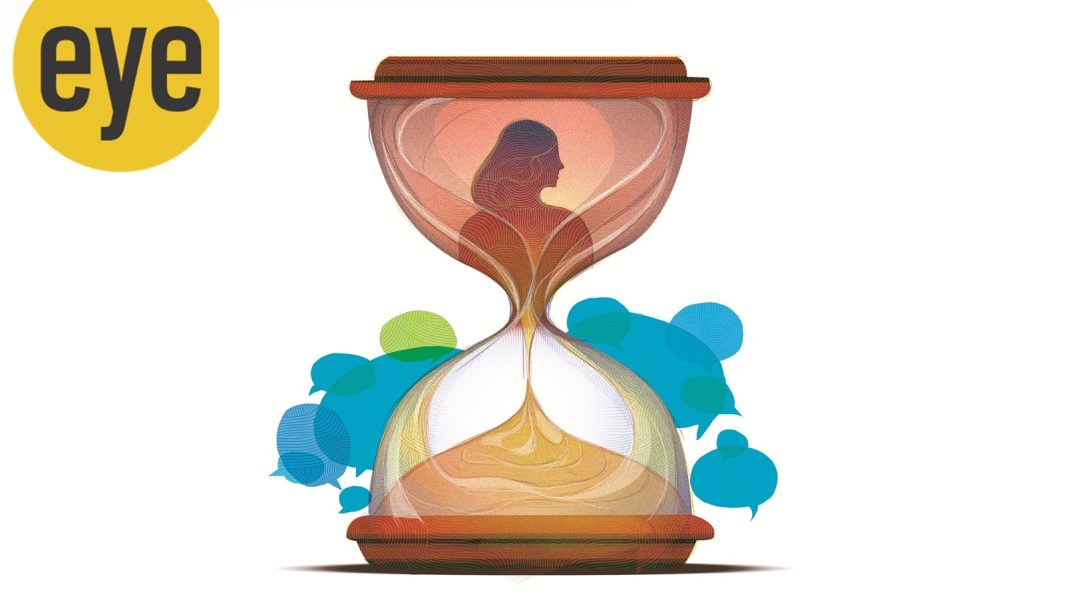
For generations, menopause in India has largely been a hushed topic, a silent transition navigated by women often in isolation. It’s a natural biological phase, yet one frequently shrouded in cultural reticence and a lack of public discourse. However, a significant shift is underway. India is currently experiencing what experts are calling its ‘menopause moment,’ as medical professionals, health advocates, and even women themselves are bravely breaking the silence, ushering in an era of open dialogue and greater focus on women’s health after 45.
With life expectancy for Indian women steadily increasing, a substantial portion of their lives is now spent in the post-menopausal phase. This demographic reality underscores the critical need to address menopause not just as a medical event, but as a crucial aspect of overall well-being, demanding societal understanding and robust healthcare support.
The Long Shadow of Silence and Stigma
Historically, the topic of menopause has been steeped in misconceptions and a pervasive culture of silence across many Indian communities. Symptoms like hot flashes, mood swings, night sweats, and vaginal dryness were often dismissed as trivial, unavoidable consequences of aging, or even attributed to psychological factors, rather than understood as physiological changes requiring attention. This lack of open communication has had profound implications.
Many women, unaware of the range of symptoms or available treatments, suffered in silence, impacting their quality of life, mental health, and even their ability to participate fully in daily activities. Societal expectations often place Indian women in primary caregiver roles, frequently leading them to prioritize family needs over their own health. This self-neglect, compounded by the stigma around discussing intimate health issues, particularly those related to aging and reproductive health, created a challenging environment for women navigating this life stage. The absence of conversations meant a lack of awareness, leading to delayed diagnoses, untreated symptoms, and a general acceptance of discomfort as an inevitable part of growing older.
Medical Experts Championing Change
In a refreshing departure from past norms, medical professionals across India are at the forefront of this emerging dialogue. Gynecologists, endocrinologists, and general physicians are actively working to demystify menopause, educating both patients and the wider community. They are emphasizing that menopause is not a disease, but a natural transition that can be managed effectively with proper medical guidance and lifestyle adjustments.
Dr. Priya Sharma, a leading gynecologist based in Mumbai, articulates this critical shift: “For too long, menopause was viewed as an endpoint, a decline. We are now working to reframe it as a new beginning, a phase where women deserve to thrive with dignity and vitality. It’s not just about managing hot flashes; it’s about safeguarding bone density, cardiovascular health, mental well-being, and sexual health. Comprehensive care is paramount.” Her sentiment reflects a growing consensus among healthcare providers who are advocating for a holistic approach to post-menopausal health.
Hospitals and clinics are increasingly offering specialized menopause clinics and workshops, focusing on various aspects such as hormone replacement therapy (HRT), nutritional guidance, exercise regimes, and mental health support. There’s a heightened awareness about the long-term health risks associated with estrogen decline, including osteoporosis, cardiovascular disease, and cognitive changes. Early intervention and preventive care are becoming key messages. Furthermore, digital platforms and social media are playing a crucial role, allowing experts to reach a broader audience, debunk myths, and foster online communities where women can share experiences and seek advice without judgment.
Embracing a Holistic Approach and Future Outlook
The “menopause moment” in India extends beyond mere symptom management; it champions a holistic view of women’s health. Experts are encouraging discussions around diet, regular physical activity, stress management, and emotional support networks. The focus is shifting from simply enduring menopause to actively embracing this phase with informed choices that enhance overall well-being. This includes addressing mental health challenges like anxiety and depression, which can be exacerbated during this period of hormonal flux.
The breaking of silence around menopause marks a pivotal moment for Indian women. It signifies a move towards empowering them with knowledge, validating their experiences, and ensuring they receive the care and support they deserve. As this conversation continues to gain momentum, it holds the promise of transforming how women over 45 live, enabling them to navigate this significant life stage with confidence, health, and vibrancy. The collective efforts of experts and a more receptive society are paving the way for a healthier, more understanding future.

