


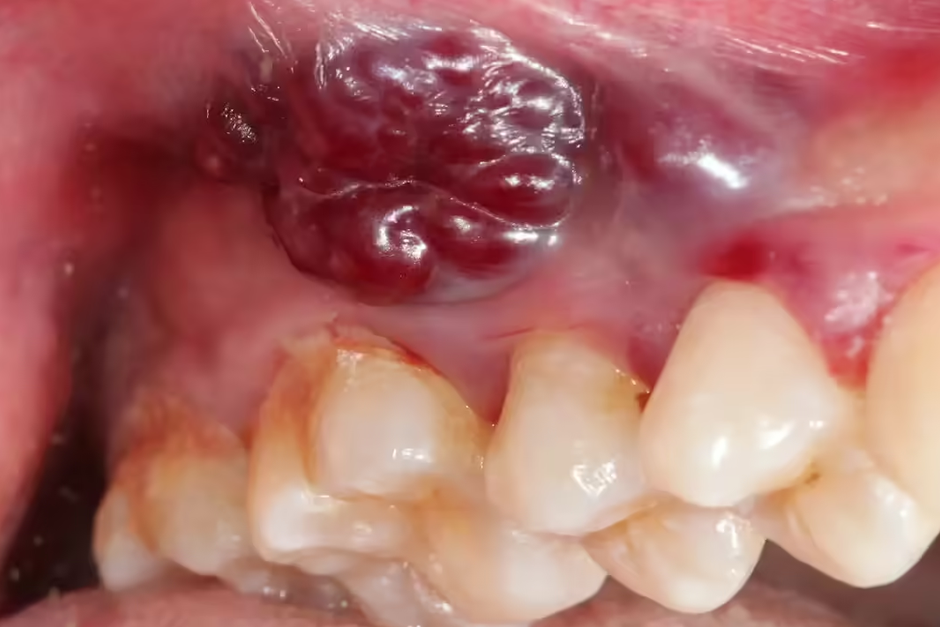
Once predominantly associated with men and specific lifestyle choices, oral cancer is now exhibiting a troubling shift in India, with an alarming rise in cases among women. This changing demographic highlights the urgent need for increased awareness, not just about risk factors, but crucially, about the earliest warning signs. Among these, a persistent, non-healing mouth ulcer stands out as a critical red flag that far too many tend to dismiss.
The Alarming Rise: Oral Cancer Among Indian Women
For decades, oral cancer in India has been largely linked to the consumption of tobacco and alcohol, with men forming the majority of patients. However, recent trends show a concerning upward trajectory in incidence rates among Indian women. While traditional habits like chewing paan with tobacco, gutka, or khaini remain significant contributors, the landscape of risk factors for women appears to be diversifying. This shift underscores a complex interplay of evolving lifestyles, socio-economic factors, and potentially, overlooked health concerns. The impact extends across both urban and rural populations, challenging previously held notions about who is most susceptible to this aggressive disease.
Beyond the Obvious: Unpacking Risk Factors
While tobacco and alcohol undeniably fuel a significant portion of oral cancer cases, it’s imperative to look beyond these often-cited culprits, especially when considering the rise among women.
Human Papillomavirus (HPV)
One increasingly recognised factor is the Human Papillomavirus (HPV), particularly HPV-16. This virus, known for its role in cervical cancer, is now implicated in a growing number of oropharyngeal cancers (cancers of the back of the throat, tonsils, and base of the tongue). This is a crucial consideration for women, as HPV can transmit through oral contact and affect individuals regardless of their tobacco and alcohol habits, making screening and vaccination (where available and accessible) increasingly relevant.
Poor Oral Hygiene and Nutrition
Chronic irritation from neglected dental health, sharp teeth, ill-fitting dentures, or constant friction from broken fillings can create an environment conducive to malignant changes. Similarly, nutritional deficiencies, such as severe iron deficiency (which can lead to Plummer-Vinson syndrome, a pre-malignant condition), are also recognized as contributing factors. These elements, often overlooked, highlight how basic oral care and adequate nutrition play a silent yet significant role in maintaining overall oral health and preventing severe conditions.
Socioeconomic and Access Barriers
In many parts of India, particularly in rural or economically disadvantaged areas, access to regular dental check-ups and general healthcare remains a challenge. This often leads to delayed diagnosis, where symptoms are only addressed once the disease has progressed significantly. Lack of awareness about the early signs of oral cancer, coupled with a tendency to self-medicate or dismiss symptoms, further exacerbates the problem.
The Critical Red Flag: A Non-Healing Mouth Ulcer
Perhaps the most potent and frequently ignored early warning sign of oral cancer is a persistent, non-healing mouth ulcer. Most common mouth ulcers are aphthous ulcers or those caused by accidental bites or trauma; these typically heal within one to two weeks. However, an ulcer that lingers for more than two weeks, despite conventional home remedies or over-the-counter treatments, demands immediate medical attention.
A suspicious ulcer often presents with distinct characteristics: it might be painless in its early stages, which unfortunately leads to complacency. It may have irregular or raised, hardened borders, and its base might appear red, white, or mixed. Common locations for such ulcers include the tongue (especially the sides), the floor of the mouth, the inner cheeks, and the soft palate. Beyond ulcers, any persistent white patch (leukoplakia), red patch (erythroplakia), or a lump/swelling in the mouth or throat that doesn’t resolve is equally concerning. Early detection dramatically improves treatment outcomes and survival rates, making proactive health-seeking behaviour paramount.
“Early detection is not just a medical term; it’s a lifeline. Many patients present with advanced stages simply because they dismissed a persistent mouth sore as trivial,” says Dr. Preeti Sharma, a leading oncologist in Delhi, underscoring the gravity of neglecting what might seem like minor oral lesions.
The rising tide of oral cancer among Indian women is a clear call to action for improved public health initiatives and personal vigilance. Recognizing the early red flags, particularly a non-healing mouth ulcer, is crucial. Regular self-examination of the mouth, coupled with routine dental check-ups, can be life-saving. Empowering women with knowledge about risk factors and symptoms ensures they can advocate for their health, seek timely medical consultation, and contribute to a healthier future for themselves and their communities. It’s time to listen to what our mouths are telling us.

