


The Indian stock market often feels the ripples, if not the waves, of global financial movements even before the opening bell rings. An overnight shift across major international indices, commodity prices, and currency markets can dramatically recalibrate investor sentiment and trading strategies for the day ahead. The recent shifts, from a rally in global tech giants to changing gold dynamics, highlight a complex interplay that sophisticated investors and casual participants alike must navigate. Let’s delve into the eight key transformations that redefined the market landscape overnight.
Global Tides: Nasdaq, Nikkei, and the Gift Nifty Signal
The overnight session frequently sets the tone, and recent movements have provided a potent cocktail of influences. A significant factor has been the robust performance of global equity markets, particularly the Nasdaq. A strong rally in US tech stocks, often driven by positive earnings reports or optimistic economic data, tends to generate a risk-on sentiment that reverberates worldwide. Indian IT stocks, for instance, often mirror the fortunes of their American counterparts, anticipating increased spending and demand.
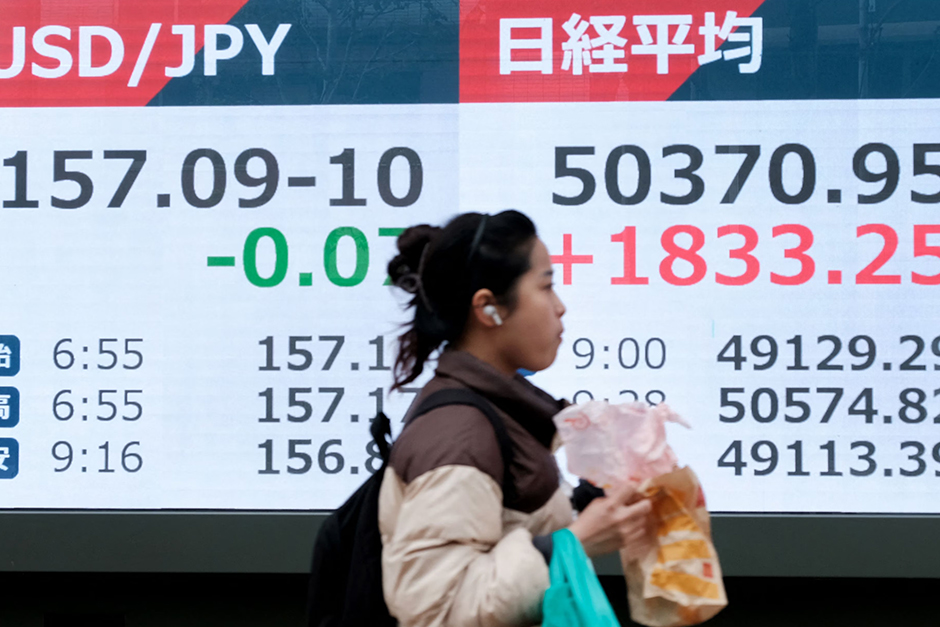
Parallel to this, the rally in the Nikkei 225, Japan’s benchmark index, underscored broader Asian market strength. Positive economic indicators from key Asian economies or sustained foreign investor interest can bolster regional confidence, creating a favorable backdrop for other markets like India. When both Western and Eastern markets show resilience, it cultivates an environment where global liquidity might seek emerging market opportunities.
Crucially for the Indian market, the performance of Gift Nifty (formerly SGX Nifty) acts as an early indicator. Tracking the Nifty 50 futures traded on the NSE International Exchange, its overnight movements offer a strong hint about the domestic index’s likely opening. A significant upmove in Gift Nifty often signals a positive start for the Nifty 50, reflecting the aggregation of global news and sentiment translated into an Indian context before the local market even opens.
Broader Macro Indicators: Yields, Dollar, and Crude
Beyond headline equity indices, several other macro factors exert immense influence. The movement of US 10-year Treasury yields is a prime example. A decline in these yields often suggests easing inflationary pressures or a shift towards less aggressive monetary policy by the Federal Reserve, making equities more attractive relative to bonds. Conversely, rising yields can signal tighter financial conditions, potentially drawing capital away from riskier emerging markets.
The US Dollar Index (DXY), which measures the dollar’s strength against a basket of major currencies, also plays a critical role. A weakening dollar typically makes dollar-denominated assets less attractive and can encourage foreign institutional investors (FIIs) to allocate capital to emerging markets like India, boosting equity inflows. A strengthening dollar, however, can make imports more expensive for India and potentially lead to FII outflows as investors seek safer dollar assets.
For a commodity-dependent economy like India, crude oil prices are a perpetual concern. Any significant overnight movement in global crude benchmarks, whether upward due to geopolitical tensions or downward due to demand concerns, directly impacts India’s import bill, inflation outlook, and corporate profitability across sectors. A sudden spike in crude can quickly dampen market sentiment, while stability or a slight dip can provide a tailwind.
Commodities in Focus and Shifting Investor Sentiment
The dynamics of precious metals also offer crucial insights. Gold prices, traditionally seen as a safe-haven asset, respond to various global uncertainties, inflation expectations, and interest rate outlooks. An overnight surge in gold might signal heightened geopolitical risks or concerns about economic stability, prompting investors to seek refuge. Conversely, a drop could indicate improving risk appetite. For Indian households, gold also holds cultural significance, making its price movements keenly watched.
All these factors collectively shape Foreign Institutional Investor (FII) sentiment. FIIs are major drivers of the Indian market, and their overnight shift in perception, influenced by global economic indicators, policy statements, and geopolitical events, can dictate their investment strategy for the day. A confluence of positive global cues, stable bond yields, and a weakening dollar often translates into renewed FII buying interest in Indian equities, providing significant impetus to the market.
As Sunil Sharma, Chief Market Strategist at Axis Securities, commented, “The Indian market is increasingly intertwined with global narratives. An overnight rally in the Nasdaq or a dip in crude oil isn’t just news; it’s a direct input into the algorithms and decisions that shape our domestic trading day. Investors must constantly assess these global shifts to anticipate local market movements effectively.”
The overnight period is no longer just a pause in trading but a crucial window where global forces realign, setting the stage for the Indian market. From the direct signals of Gift Nifty to the broader implications of global bond yields and commodity prices, understanding these interconnected changes is paramount for navigating India’s dynamic financial landscape. For investors, vigilance and a holistic view of international developments are no longer an advantage, but a necessity.

