


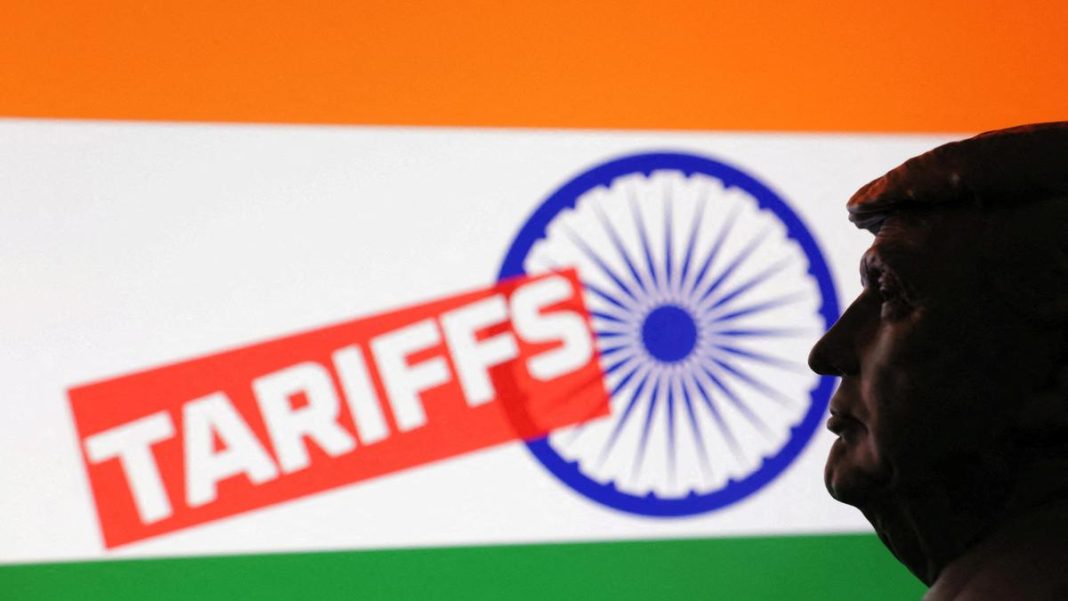
In a significant development for India’s economic landscape, the much-anticipated India-U.S. trade deal has officially gone live, sparking widespread optimism across various industrial sectors. The agreement, framed as a catalyst for bilateral economic growth, has been met with an overwhelmingly positive reception from Indian businesses, which anticipate substantial benefits from tariff cuts and enhanced market access. This landmark deal is poised to bolster India’s export competitiveness and drive economic expansion, cementing the strategic partnership between the two global powers.
A New Chapter in Bilateral Trade Relations
The operationalization of the India-U.S. trade deal signifies a crucial step in deepening economic ties and fostering a more integrated trade environment. While details of the agreement encompass a broad spectrum of trade facilitators, the immediate focus and excitement from the Indian industry revolve around the reduction of tariffs on a diverse range of goods. This move is expected to unlock new opportunities for Indian exporters, allowing them to compete more effectively in the lucrative American market.
Key sectors in India, including pharmaceuticals, textiles and apparel, agricultural products, engineering goods, and certain IT services components, are particularly optimistic about the implications. Industry associations have lauded the agreement as a testament to sustained diplomatic and commercial efforts to remove long-standing trade barriers. The deal is not merely seen as a transactional exchange but as a strategic alignment that strengthens supply chain resilience and promotes economic stability in an increasingly complex global trade environment.
Tariff Cuts: Fuelling Growth and Competitiveness
The core of the industry’s enthusiasm stems from the announced tariff reductions. For Indian businesses, lower tariffs on exports to the U.S. translate directly into more competitive pricing, making Indian products more attractive to American consumers and businesses. This price advantage is expected to boost export volumes significantly, driving revenue growth for companies across various scales, from large enterprises to small and medium-sized businesses (SMEs).
Moreover, the tariff adjustments are anticipated to enhance the competitiveness of Indian industries on multiple fronts. Reduced import duties on certain U.S. goods entering India could lower input costs for Indian manufacturers, making their final products more cost-effective both domestically and internationally. This dual benefit – increased export potential and potentially reduced production costs – creates a powerful impetus for growth and innovation within the Indian manufacturing sector.
Rajesh Sharma, President of the Indian Chamber of Commerce and Industry, commenting on the development, stated, “This agreement marks a pivotal moment for Indian exporters. Reduced tariffs will not only make our products more competitive in the American market but also encourage domestic industries to scale up, driving job creation and technological advancement. It underscores the potential for India to emerge as an even stronger player in global supply chains.”
The pharmaceutical sector, for instance, foresees greater market access for generic drugs, while the textile industry expects a boost in apparel exports, leveraging India’s rich heritage and manufacturing prowess. Similarly, agricultural producers could find new avenues for specific produce, diversifying their export baskets and ensuring better price realization.
Strategic Alignment and Future Prospects
Beyond the immediate economic benefits, the India-U.S. trade deal is also viewed through a broader strategic lens. It reinforces the commitment of both nations to a rules-based international trading system and signals a robust partnership aimed at fostering economic prosperity and security. This collaboration is particularly crucial in an era where global supply chains are being re-evaluated, with countries seeking reliable and diversified partners.
The agreement lays the groundwork for further economic cooperation and potentially more comprehensive trade agreements in the future. It demonstrates a shared vision for deepening economic integration, promoting investment, and facilitating technology transfer. For India, this deal aligns perfectly with its ‘Atmanirbhar Bharat’ (Self-Reliant India) initiative, enabling domestic industries to grow, innovate, and achieve global competitiveness.
As the deal begins to unfold, the focus will now shift to its effective implementation and the tangible benefits it delivers to businesses and consumers alike. The initial industry welcome underscores a strong belief in the deal’s potential to propel India’s economic trajectory, foster innovation, and strengthen its position on the global trade map, paving the way for sustained growth and increased prosperity.

