


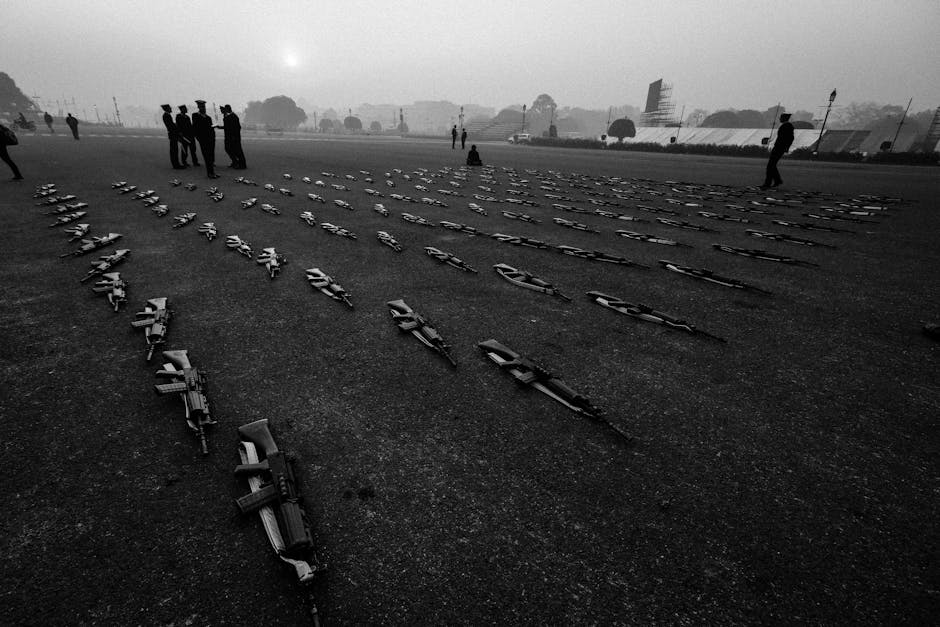
India, traditionally one of the world’s largest importers of defence equipment, is embarking on an ambitious journey to transform its identity on the global stage. The nation’s Defence Minister, Rajnath Singh, has articulated a bold vision: for India to emerge as the biggest arms exporter within the next 25-30 years. This significant shift in strategic outlook places the private sector at the very core of achieving this formidable goal, signaling a profound change in India’s defence manufacturing and export ecosystem.
From Importer to Global Defence Supplier: India’s Evolving Ambition
For decades, India has relied heavily on foreign suppliers to meet its defence needs, making it a prominent player in the global arms import market. However, with the advent of the ‘Atmanirbhar Bharat’ (Self-Reliant India) and ‘Make in India’ initiatives, particularly in the defence sector, there has been a concerted push towards indigenization. The government has set an ambitious target of achieving $5 billion in defence exports by 2025, and while this goal itself represents a significant leap, Minister Singh’s longer-term vision elevates India’s aspirations to an unprecedented level.
This paradigm shift is not merely economic; it carries profound geopolitical implications. Becoming a major arms exporter would not only boost India’s economy through foreign exchange earnings and job creation but also enhance its strategic autonomy and influence on the world stage. It signifies a move from being a consumer of global security products to becoming a producer and provider, thereby strengthening India’s position as a responsible and capable global power. The government’s efforts, including the establishment of defence industrial corridors, rationalization of policies, and reduction of bureaucratic hurdles, are all geared towards fostering a robust domestic defence manufacturing base capable of catering to global demand.
The Indispensable Role of the Private Sector
Central to Rajnath Singh’s vision is the emphatic acknowledgement of the private sector’s indispensable role. Historically, India’s defence production was dominated by public sector undertakings (PSUs) and ordnance factories. While these entities continue to be vital, the government recognizes that achieving global export leadership demands the agility, innovation, and efficiency that the private sector can bring.
Private companies are increasingly being encouraged to participate in defence manufacturing, research, and development. Policies such as increased Foreign Direct Investment (FDI) limits, a negative import list for various defence items, and initiatives like the Innovations for Defence Excellence (iDEX) have been instrumental in creating a more level playing field and fostering a vibrant defence industrial ecosystem. The private sector’s ability to invest in cutting-edge technology, adopt modern manufacturing processes, and respond quickly to market demands is seen as critical for India to produce globally competitive defence products.
As Defence Minister Rajnath Singh articulated, “We are aiming to make India one of the biggest defence manufacturing countries in the world. Our private sector is going to play a crucial role in achieving this goal, bringing in innovation, efficiency, and scale to our defence ecosystem.” This statement underscores the government’s belief that a symbiotic relationship between the public and private sectors is the key to unlocking India’s full potential as a defence exporter.
Navigating Challenges and Harnessing Opportunities
While the vision is inspiring, the path to becoming the biggest arms exporter is fraught with challenges. Competing with established global players requires significant investment in research and development, continuous technological upgrades, stringent quality control, and adherence to international standards. Building a reputation for reliability and cutting-edge technology in a highly competitive and sensitive market will be crucial.
However, India also possesses unique advantages. Its cost-effective manufacturing capabilities, a large pool of skilled engineering talent, and a growing domestic market provide a strong foundation. Furthermore, India’s geopolitical positioning allows it to cater to the defence needs of friendly nations in Asia, Africa, and beyond, offering alternatives to traditional suppliers. Products like the BrahMos supersonic cruise missile, Akash air defence system, and various patrol vessels and components are already finding traction in international markets, demonstrating India’s burgeoning capabilities.
The next two to three decades will demand sustained policy support, substantial private investment in R&D, a focus on niche technological areas, and strategic partnerships. Cultivating a robust ecosystem that supports innovation, encourages exports, and navigates complex international regulations will be paramount for India to realize its ambitious objective.
In conclusion, India’s journey from a major defence importer to a potential global leader in arms exports is a testament to its evolving strategic ambitions and economic prowess. The government’s unwavering focus on empowering the private sector, coupled with a long-term vision articulated by figures like Rajnath Singh, sets the stage for a transformative period. While the road ahead is challenging, the foundational shifts indicate that India is seriously preparing to re-define its role in the global defence landscape.

