


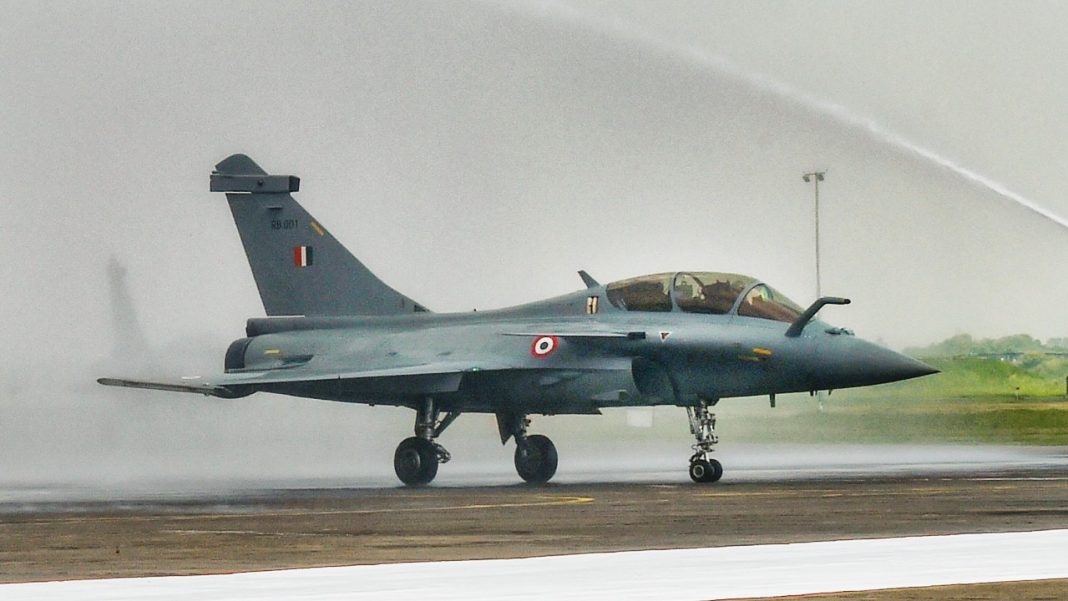
India’s ambitious journey to modernize its defense capabilities is poised for a significant milestone, with strong indications that the nation is on the verge of clearing a major deal for 114 additional Rafale multi-role fighter jets. This prospective acquisition comes at a particularly strategic juncture, just as French President Emmanuel Macron prepares for his high-profile visit to India as the Chief Guest for the Republic Day celebrations.
The potential clearance of this multi-billion dollar agreement underscores India’s unwavering commitment to bolstering its aerial defense posture and deepening its strategic partnership with France. Beyond the immediate enhancement of the Indian Air Force’s (IAF) combat prowess, this deal is expected to weave a complex tapestry of technological transfer, indigenous manufacturing, and long-term geopolitical alignment.
India’s Air Power Push: The Rafale’s Continued Journey
The Indian Air Force has long grappled with maintaining its sanctioned squadron strength, a critical factor for deterring potential adversaries across its vast and complex borders. The initial acquisition of 36 Rafale jets, delivered between 2020 and 2022, provided a much-needed boost, significantly enhancing the IAF’s offensive and defensive capabilities with their advanced avionics, potent weapon systems, and superior maneuverability.
However, 36 jets merely scratch the surface of the IAF’s requirements. The proposed deal for 114 Rafales, estimated to be worth around $18-20 billion, aims to address this deficit more comprehensively. This procurement falls under the “Buy Global – Make in India” category, a crucial distinction that emphasizes indigenous production and technology transfer. While a portion of these jets might be directly imported from Dassault Aviation, the majority are expected to be manufactured in India by a local partner, significantly boosting the country’s aerospace manufacturing ecosystem.
The ‘Make in India’ Imperative
The “Make in India” component is not just an economic aspiration; it is a strategic imperative for India’s defense sector. Through technology transfer, Indian public or private sector entities would gain crucial expertise in advanced fighter jet manufacturing, maintenance, and upgrades. This move aligns perfectly with India’s broader vision of achieving Atmanirirbhar Bharat (self-reliant India) in defense, reducing reliance on foreign suppliers over the long term. It also creates a robust industrial base, generates skilled employment, and fosters innovation within the domestic defense-industrial complex.
Strategic Imperatives and Bilateral Diplomacy
The timing of this likely deal clearance is far from coincidental. High-profile defense agreements are often finalized or announced during visits by heads of state, serving as tangible proof of robust bilateral ties and mutual trust. French President Emmanuel Macron’s visit is a prime opportunity for both nations to showcase the strength and depth of their strategic partnership, which extends beyond defense to areas like space, nuclear energy, and climate change.
For India, France has consistently proven to be a reliable defense partner, unencumbered by the geopolitical constraints sometimes associated with other major arms exporters. This reliability was particularly evident during critical periods, solidifying France’s position as a preferred source for advanced defense technology.
Commenting on the strategic depth of such partnerships, a senior defense analyst, requesting anonymity due to ongoing negotiations, reportedly stated, “Deals like the Rafale acquisition are more than just transactions; they are pillars of strategic alignment. They signify long-term commitment, mutual technological trust, and a shared vision for regional stability. For India, partnering with France on such advanced platforms is a testament to its independent foreign policy and its pursuit of cutting-edge capabilities without strings attached.”
Beyond the Jets: Future Readiness and Regional Impact
Clearing the deal for 114 Rafales represents a significant step towards achieving the IAF’s projected requirement of 42 fighter squadrons. These jets, with their proven combat record and advanced capabilities, would provide the IAF with a qualitative edge, particularly in light of evolving geopolitical dynamics in the Indo-Pacific region. The integration of more Rafales would standardize logistics and training, further enhancing operational efficiency.
The procurement process itself is a multi-stage affair, involving approval from the Defence Acquisition Council (DAC), followed by clearance from the Cabinet Committee on Security (CCS). While the broad contours of the deal are reportedly close to finalization, intricate negotiations regarding cost, technology transfer modalities, and the extent of indigenous content will undoubtedly continue until the ink is dry. Should the deal go through as expected, it would mark one of India’s largest defense acquisitions in recent history, significantly shaping its air power capabilities for decades to come.
In conclusion, the anticipated clearance of the 114 Rafale jet deal is not just about acquiring more aircraft; it’s a multifaceted strategic move. It underlines India’s unwavering focus on strengthening its defense infrastructure, its commitment to the ‘Make in India’ initiative, and its enduring strategic partnership with France. As President Macron’s visit approaches, all eyes will be on New Delhi for what promises to be a landmark announcement for India’s defense future.

