


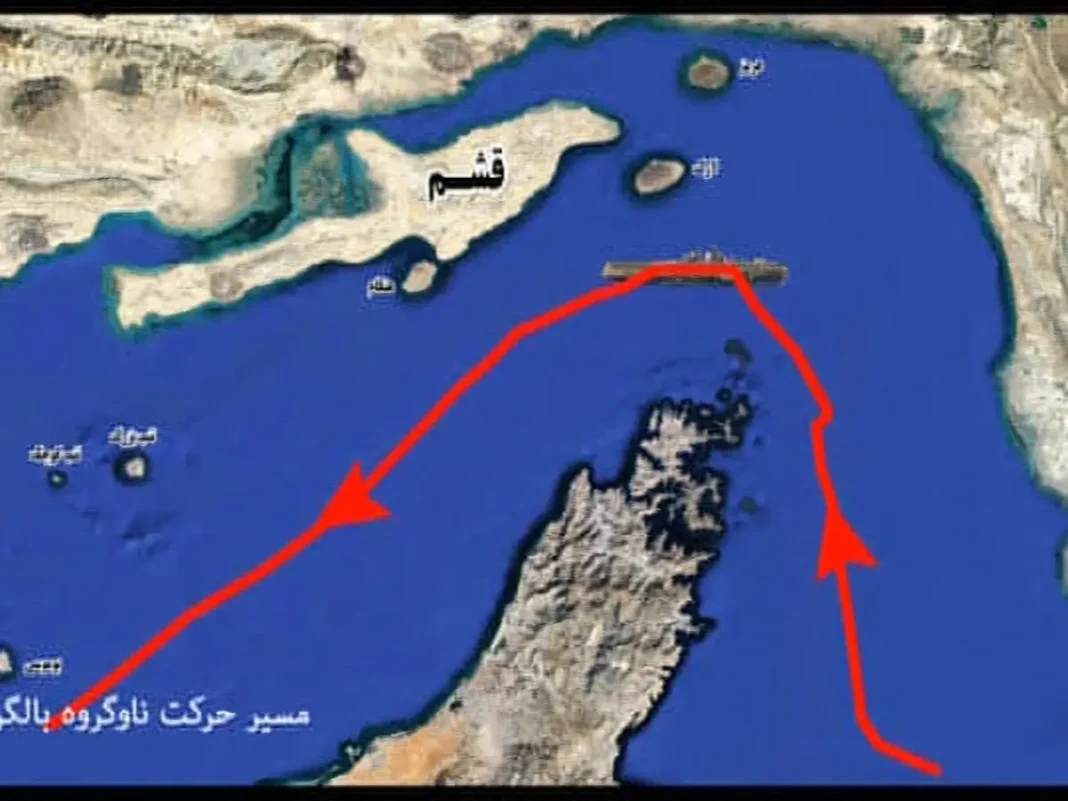
The Strait of Hormuz, a narrow waterway connecting the Persian Gulf to the open ocean, remains one of the world’s most critical chokepoints for global oil and gas shipments. In an era of escalating geopolitical tensions, particularly surrounding Iran, calls for multinational coalitions to ensure maritime security in this region frequently surface. However, for India, a nation with deeply vested economic and strategic interests in the Gulf, participating in such a coalition appears increasingly unlikely. New Delhi’s foreign policy calculus prioritises strategic autonomy, energy security, and regional stability through diplomatic means, charting a course that carefully avoids entanglement in military alliances.
Geopolitical Tightrope Walk for India
India’s position on the Strait of Hormuz is a nuanced balancing act, born from its complex relationships across the Middle East. As a major energy consumer, India relies heavily on crude oil and natural gas imports from the Gulf region, with a significant portion transiting through Hormuz. Any disruption, military or otherwise, directly impacts India’s economic stability and energy security. This makes the preservation of peace and open shipping lanes an absolute imperative.
However, securing these interests does not automatically translate into joining a military coalition, especially one led by Western powers. India maintains strong, multi-faceted relationships with both Iran and the Arab states of the Gulf Cooperation Council (GCC) – nations often on opposing sides of regional power dynamics. India has historically navigated its ties with Iran, a crucial partner for connectivity projects like Chabahar Port, even under the shadow of international sanctions. Simultaneously, its economic and diaspora linkages with Saudi Arabia, UAE, and other GCC nations are immense. Over eight million Indian expatriates reside and work in the Gulf, sending back vital remittances and forming a critical human bridge. Joining a coalition perceived as hostile by any of these regional actors would jeopardise these vital connections, undermining decades of careful diplomatic work. India’s commitment to strategic autonomy dictates a non-aligned posture, allowing it to engage with all parties without being drawn into their conflicts.
Economic Imperatives and Energy Security
The economic stakes for India in the Strait of Hormuz are monumental. Approximately 60-70% of India’s crude oil imports, and a substantial volume of its Liquefied Natural Gas (LNG), pass through this maritime gateway. A blockade or prolonged conflict in the Strait would send crude oil prices soaring globally, crippling India’s economy which is still largely dependent on fossil fuels. The resulting inflation, supply chain disruptions, and potential energy shortages would have catastrophic consequences for a nation of 1.4 billion people.
While India has been actively diversifying its energy sources and routes – seeking supplies from Russia, the Americas, and expanding domestic production – the Gulf remains an indispensable supplier due to geographical proximity, established infrastructure, and competitive pricing. India’s response to maritime security threats in the region has, therefore, been primarily focused on ensuring the safety of its own flagged vessels through initiatives like Operation Sankalp, a deployment of Indian naval assets to provide security escort. This is a defensive measure to protect national interests, distinct from participating in an offensive or deterrent multinational military force that could be perceived as interventionist.
Diplomacy Over Direct Intervention
India’s preferred approach to regional stability has consistently leaned towards diplomacy, de-escalation, and multilateral dialogue. Rather than aligning with a specific military bloc, New Delhi champions a nuanced foreign policy that advocates for peaceful resolutions to conflicts and respect for national sovereignty. Indian policymakers understand that military solutions in such a volatile region often lead to unintended consequences, further destabilising an already fragile environment.
An Indian foreign policy analyst, speaking on condition of anonymity, recently articulated this stance: “India’s primary objective is unhindered trade and regional stability. Our strength lies in our relationships across the spectrum, not in taking sides in military confrontations. We will protect our interests, but through diplomacy and responsible self-reliance, not by joining coalitions that could escalate tensions.”
This perspective underscores India’s belief that long-term security in the Strait of Hormuz, and indeed the wider Middle East, will only be achieved through sustained political engagement, confidence-building measures, and economic interdependence, rather than through military posturing. India’s growing stature on the global stage, coupled with its historical commitment to non-alignment and strategic autonomy, positions it as a potential mediator and proponent of dialogue, rather than a combatant in a multinational naval force.
In conclusion, while India’s reliance on the Strait of Hormuz is undeniable, its strategic imperatives strongly suggest a continued reluctance to join any multinational military coalition operating there. New Delhi’s foreign policy is carefully calibrated to safeguard its vital energy and economic interests, protect its vast diaspora, and uphold its principle of strategic autonomy. By prioritising diplomacy, de-escalation, and independent naval protection for its own vessels, India aims to navigate the volatile waters of the Middle East without being drawn into conflicts that do not serve its broader national interests.

