


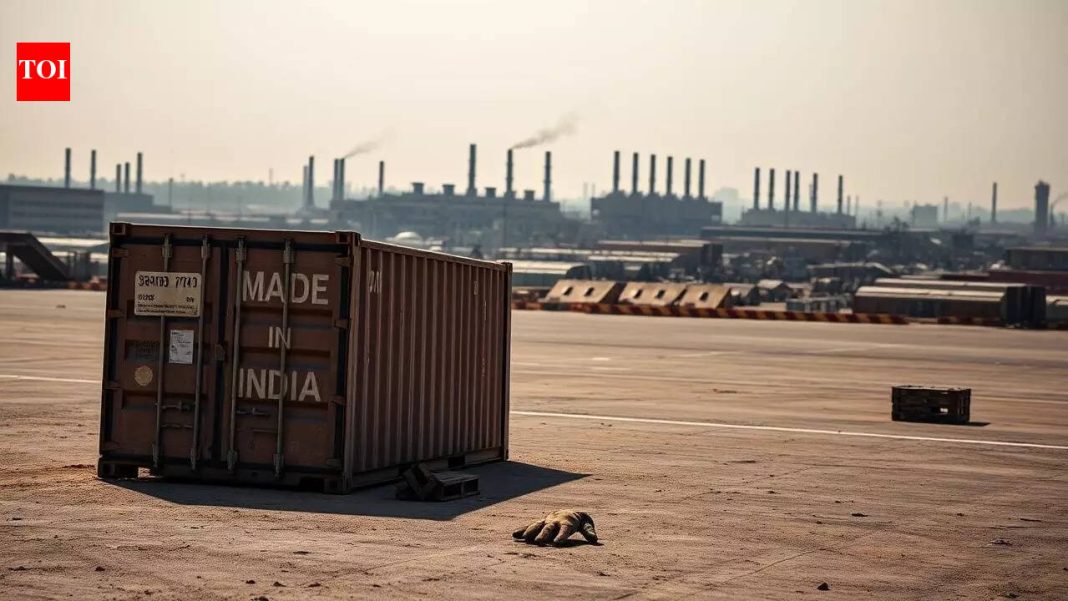
The geopolitical chessboard in West Asia has long been a focal point for global stability, and its latest upheavals are sending palpable tremors through India’s economy. As conflicts simmer and regional tensions escalate, India Inc, a robust and globally interconnected entity, finds itself navigating an increasingly complex landscape where supply chains, energy security, and trade relationships are under unprecedented stress. The ripple effects from the volatile region underscore the delicate balance between global politics and economic prosperity, prompting Indian businesses to re-evaluate strategies for resilience and diversification.
The Energy Security Conundrum
India’s economic engine is heavily reliant on crude oil, with West Asia serving as a primary source for a significant portion of its imports. Any disruption in this region directly impacts global oil prices, which in turn inflates India’s import bill and fuels domestic inflation. The recent volatility, marked by sporadic price surges, has put considerable pressure on industries ranging from manufacturing to transportation. Higher fuel costs translate into increased operational expenses, which businesses often pass on to consumers, thereby impacting purchasing power and economic growth.
Beyond crude oil, India’s energy security strategy involves investments in natural gas and renewable sources. However, the immediate challenge remains managing the fallout from a destabilised oil market. The government’s strategic petroleum reserves and efforts to diversify oil import sources, including increasing purchases from non-OPEC+ nations, offer some cushion. Yet, the sheer volume of dependence on West Asian crude means that any prolonged or intensified conflict will inevitably test India’s economic resilience, potentially derailing growth forecasts and squeezing corporate profit margins across sectors.
Supply Chain Snarls and Shipping Disruptions
Perhaps one of the most immediate and visible impacts of the West Asia turmoil is the disruption to global shipping routes. The Red Sea, a critical artery for trade connecting Asia and Europe via the Suez Canal, has witnessed increased hostilities, forcing many shipping companies to reroute vessels around the Cape of Good Hope. This longer journey around Africa adds significant time – often 10-14 days – and considerable cost to freight. For India, a major trading nation, this means higher import costs for crucial raw materials and components, as well as increased export costs, making Indian goods less competitive in international markets.
Sectors like automobiles, electronics, textiles, and chemicals are particularly vulnerable to these logistical bottlenecks. The extended transit times can lead to delays in product delivery, impacting production schedules and inventory management. Small and medium enterprises (SMEs), which often operate on tighter margins and depend on timely deliveries, are especially hit hard. “The current shipping disruptions are a stark reminder of the fragility of global supply chains,” notes Dr. Anjali Sharma, a leading economist specializing in international trade. “Indian businesses must build greater redundancy and explore alternative logistics solutions, even if it means higher initial investments, to mitigate future risks.” The situation has also prompted a renewed focus on near-shoring and building robust domestic supply chains to reduce reliance on distant and potentially volatile regions.
Trade, Investment, and Remittance Flows
West Asia is not just a source of energy but also a significant trading partner and a hub for Indian diaspora. Countries like the UAE and Saudi Arabia are major destinations for Indian exports, ranging from agricultural products and textiles to engineering goods and services. Increased instability could dampen demand, delay existing projects, or even jeopardise future trade agreements. Conversely, investments from West Asian sovereign wealth funds into various Indian sectors, including infrastructure and technology, could also face headwinds if regional economic confidence wavers.
Moreover, the substantial Indian expatriate population in West Asia contributes billions of dollars annually in remittances, which are a vital source of foreign exchange for India and a significant support for many Indian families. While the immediate flow of remittances remains stable, prolonged instability or economic downturns in host countries could impact employment opportunities and, consequently, future remittance volumes. India Inc’s long-term engagement with West Asia necessitates not just commercial diplomacy but also a keen understanding of the region’s evolving socio-political dynamics.
In conclusion, the ongoing turmoil in West Asia presents a multifaceted challenge for India Inc. From securing energy supplies and managing freight costs to safeguarding trade relationships and remittance flows, Indian businesses are called upon to demonstrate agility and strategic foresight. While the government continues to pursue diplomatic solutions and diversify economic ties, the onus is also on individual enterprises to strengthen their resilience, explore new markets, and invest in robust, adaptable operational frameworks to withstand the tremors emanating from a perpetually dynamic region.

