


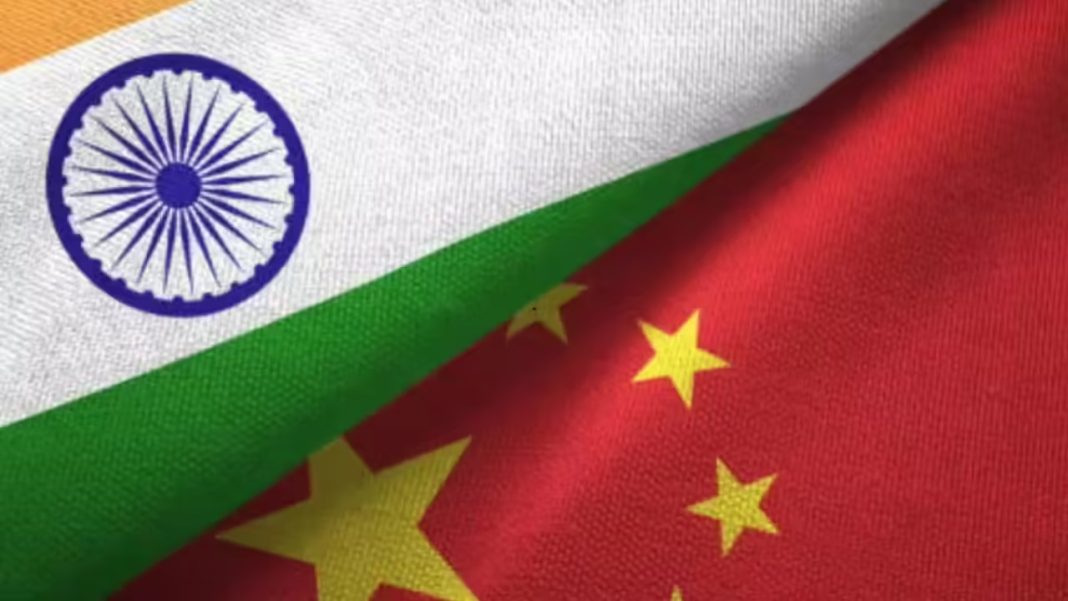
The geopolitical landscape of Asia is invariably shaped by the complex relationship between its two most populous nations, India and China. In a recent diplomatic overture that has garnered attention, a senior Beijing envoy reportedly articulated a fundamental truth: India and China are “neighbours that can’t be parted.” This statement, while seemingly obvious given their shared 3,488-kilometer border, carries significant weight amidst ongoing geopolitical complexities and border tensions. For TrendLyric.com, understanding the nuances of such declarations is crucial to appreciating the delicate balance of power and diplomacy in the region.
The Inescapable Geography and Historical Interdependence
The envoy’s assertion underscores an immutable reality: geography. India and China are not merely adjacent nations; they share an ancient and intricate history woven through millennia. From the Silk Road trade that facilitated the exchange of goods and ideas to the spread of Buddhism from India to China, their paths have been intertwined long before modern statehood. This historical interdependence, however, has also been punctuated by periods of friction and conflict, most notably the 1962 border war and subsequent standoffs.
The sheer scale of both nations – two of the world’s largest economies and most populous countries – means their interactions profoundly impact global affairs. Their geographical proximity necessitates continuous engagement, whether through formal diplomatic channels, multilateral forums, or informal dialogues. As the envoy’s statement suggests, there is no escaping the shared continental mass. Any significant development in one nation inevitably has ripple effects across the border, influencing economic trajectories, regional stability, and security dynamics.
“India and China are neighbours that can’t be parted. This is a fundamental reality,” the Beijing envoy reportedly stated, highlighting the enduring nature of their contiguity. This perspective encourages a long-term view of the relationship, moving beyond immediate flashpoints to acknowledge the imperative of coexistence.
Navigating Present Realities and Future Imperatives
Despite the undeniable geographical truth, the relationship between India and China remains fraught with challenges. The prolonged military standoff along the Line of Actual Control (LAC) in Eastern Ladakh since 2020 has significantly eroded trust and elevated tensions. India has consistently maintained that the state of border areas directly impacts the overall bilateral relationship, emphasizing the importance of peace and tranquility at the LAC for any normalization of ties.
Beyond the immediate border issues, broader geopolitical competition casts a long shadow. China’s growing footprint in India’s neighbourhood through initiatives like the Belt and Road Initiative (BRI), its increasing naval presence in the Indian Ocean, and its strategic alignment with Pakistan are significant concerns for New Delhi. Conversely, India’s deepening strategic partnerships with countries like the United States, Japan, and Australia within frameworks like the Quad are viewed with suspicion by Beijing.
The envoy’s statement, therefore, can be interpreted as a pragmatic recognition from Beijing of the need to manage this complex relationship effectively. It’s a call to acknowledge that despite differences, the two nations are bound by geography and must find modalities for interaction. For India, while acknowledging this reality, the emphasis remains on establishing a relationship based on mutual respect, adherence to international law, and resolution of outstanding issues, particularly regarding border integrity.
India’s Strategic Balancing Act
From an Indian perspective, managing the relationship with China is a critical component of its foreign policy. India seeks to secure its national interests, protect its sovereignty, and foster economic growth while navigating the challenges posed by a powerful and assertive neighbour. This involves a delicate balancing act: asserting its territorial claims and strategic autonomy while also keeping diplomatic channels open to prevent escalation and explore areas of potential cooperation.
Economically, China remains one of India’s largest trading partners, though the significant trade imbalance is a persistent concern. India is keen on diversifying its supply chains and boosting domestic manufacturing, but the economic interdependence cannot be wished away. The future of this relationship will hinge on both nations’ ability to manage their competing interests while identifying common ground for collaboration on global issues such as climate change, pandemics, and regional stability. The envoy’s comment serves as a reminder that regardless of the diplomatic rhetoric or the nature of current tensions, India and China are destined to coexist, making constructive engagement an enduring necessity rather than an optional choice.
The path forward for India and China is undoubtedly challenging. However, the fundamental truth that they are “neighbours that can’t be parted” provides a stark reminder of the imperative for strategic foresight, sustained dialogue, and a commitment to de-escalation. Only through pragmatic engagement and a willingness to address core concerns can these two Asian giants hope to forge a more stable and prosperous future for themselves and the wider region.

