


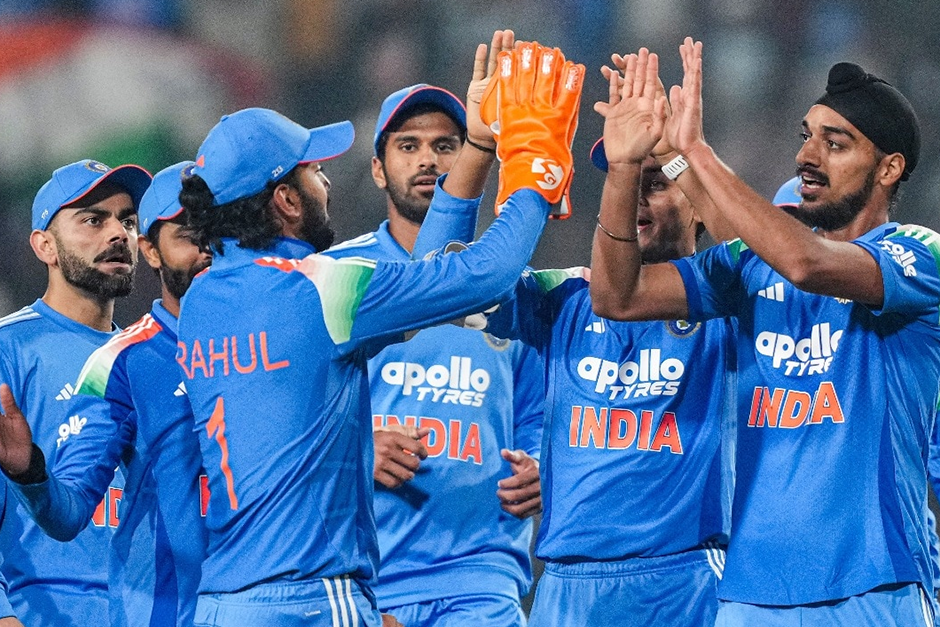
As the cricketing world turns its gaze to the picturesque coastal city of Visakhapatnam, the stage is set for a thrilling climax to what has been an enthralling three-match One Day International series between India and South Africa. With the series locked at 1-1, the third and final ODI at the Dr. Y.S. Rajasekhara Reddy ACA-VDCA Cricket Stadium isn’t just a decider; it’s a battle for supremacy, momentum, and the right to etch a home series victory into the history books. For India, there’s the added incentive of maintaining their formidable record on home soil, while South Africa aims to defy expectations and claim a significant away series triumph. The narrative heading into this decisive encounter is encapsulated perfectly: “Do or Dew,” a phrase that highlights not just the immediate necessity of performance but also the potentially game-altering meteorological factor.
The Vizag Conundrum: Pitches, Pace, and the Dew Factor
The Dr. Y.S. Rajasekhara Reddy ACA-VDCA Cricket Stadium in Vizag is renowned for offering generally balanced pitches, often providing good bounce and carry for pacers early on, before settling down to become a batsman’s paradise. As the game progresses, spinners typically find some assistance, especially in the middle overs. However, the most significant variable that could dictate the flow of the match, particularly in a day-night encounter, is the notorious dew factor. Coastal venues like Vizag are highly susceptible to heavy dew forming in the evening, which can dramatically alter playing conditions.
The presence of dew can make gripping the white ball challenging for bowlers, especially spinners, and can also quicken the outfield, aiding the chasing team. This often leads to a strong preference for the captain winning the toss to bowl first, hoping to exploit the drier conditions with the ball and then chase a total when the dew has set in. However, setting a formidable total and putting pressure on the opposition can also be a viable strategy if the batting unit fires. The tactical battle at the toss, therefore, will be as crucial as the contest between bat and ball. Teams will have meticulously analysed past games and local weather patterns to strategise their approach, knowing that misreading the conditions could prove costly. The team that adapts quickest to the evolving conditions, particularly concerning the dew, will hold a significant advantage.
India’s Redemption Arc and South Africa’s Quest for Glory
India’s journey in this series has been a classic tale of resilience. After a disappointing loss in the opening encounter, where their batting faltered and bowling lacked incisiveness, the Men in Blue staged a spectacular comeback in the second ODI. Propelled by strong individual performances and a collective resolve, they managed to level the series, showcasing their depth and adaptability. Key contributions from both established stars and emerging talents have been crucial, instilling confidence within the squad ahead of this ultimate challenge.
On the other hand, South Africa started the series with a bang, demonstrating their potent batting lineup and a disciplined bowling attack. Their victory in the first ODI was a testament to their strength and strategic planning. However, they couldn’t replicate that dominance in the second match, indicating areas where they might be vulnerable. For the Proteas, this decider is an opportunity to prove their mettle against one of the strongest teams in world cricket, especially in their home conditions. A series win in India would be a significant feather in their cap and a major confidence booster.
The captain of the Indian squad, reflecting on the series, remarked, “Every player understands the magnitude of this game. It’s not just about winning the series, but about showing character and fighting spirit. We’ve prepared for all eventualities, including the dew, and the focus remains on executing our plans meticulously under pressure.”
This match is more than just a contest of skill; it’s a psychological battle. Which team can absorb the pressure better? Which team’s tactical decisions, particularly around the toss and managing the dew, will pay off? Both sides boast match-winners capable of turning the game on its head. The stage is perfectly set for a high-octane encounter where strategy, individual brilliance, and environmental factors will intertwine to determine the victor. As the sun sets over Vizag and the floodlights illuminate the ground, cricketing enthusiasts across India await a spectacle that promises drama, excitement, and a fitting conclusion to a captivating series.
Ultimately, the “Do or Dew” narrative underscores the finely balanced nature of this contest. While skill and strategy will play their undeniable roles, the team that best navigates the natural elements, particularly the evening dew, might just be the one to keep history alive or, conversely, create a new chapter.

