


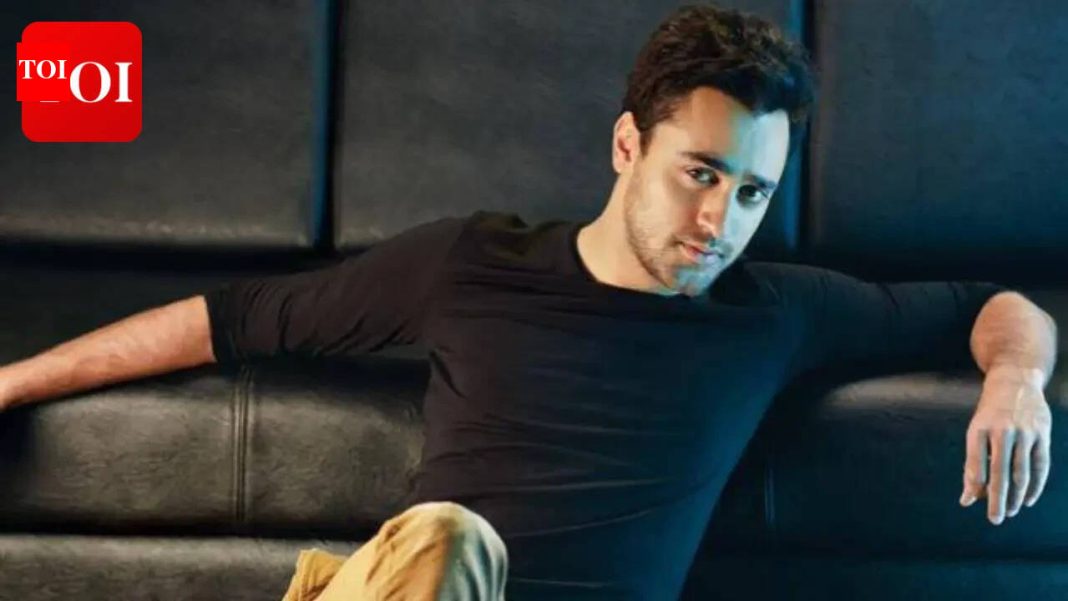
In the dynamic and often trend-driven world of Indian cinema, actor Imran Khan has once again sparked a conversation, this time by openly questioning the pervasive “angry hero” trope. Known for his roles in charming romantic comedies and slice-of-life dramas, Khan, who made a comeback of sorts recently after a hiatus, voiced his disinterest in portraying characters that align with the current hyper-masculine, rage-filled archetype dominating the big screen. His candid statement, “I have no interest in playing a hairy man covered in blood,” resonates as a subtle but significant critique of an industry increasingly embracing a specific brand of alpha male aggression.
The Reign of the ‘Angry Hero’
The past few years have witnessed a significant shift in audience preferences and cinematic narratives, with films featuring intensely aggressive, often morally ambiguous male protagonists enjoying immense commercial success. From the gritty intensity of Animal to the controversial portrayal in Kabir Singh, and even various South Indian language films dubbed for pan-India audiences, the ‘angry hero’ has become a formidable box office magnet. These characters, typically driven by a singular, often destructive, passion or revenge, embody a raw masculinity that appears to strike a chord with a segment of the audience.
Khan’s observation isn’t just a personal preference but reflects a broader industry discussion. While these films deliver staggering numbers at the box office, they also frequently invite criticism for their portrayal of violence, misogyny, and toxic masculinity. Critics and a segment of the audience often debate the implications of celebrating such characters, raising questions about the kind of narratives being normalized and valorized in popular culture. The trend, while financially lucrative, undeniably narrows the spectrum of roles available to actors and the types of stories being told.
Imran Khan’s Unique Stance and a Call for Diversity
Imran Khan’s filmography largely stands in contrast to this prevailing trend. His breakthrough role in Jaane Tu… Ya Jaane Na established him as the quintessential ‘boy-next-door’ – charming, vulnerable, and relatable. Films like Delhi Belly showcased his ability to navigate quirky, unconventional narratives, while Ek Main Aur Ekk Tu presented a nuanced take on modern relationships. These roles offered a refreshing alternative to the bombastic, larger-than-life heroes that often populated mainstream cinema. His aversion to playing a “hairy man covered in blood” is, therefore, not surprising; it aligns perfectly with the kind of storytelling and character depth he has historically gravitated towards.
His statement serves as a subtle yet powerful call for greater diversity in character portrayal. In an industry often accused of following formulas, Khan’s perspective highlights the potential for creative stagnation if one particular archetype becomes overwhelmingly dominant. There is a growing demand, from both creators and audiences, for stories that explore a wider range of human emotions, experiences, and masculinities. Can a hero be strong without being violent? Can love be depicted without possessiveness? These are questions that Khan’s comments indirectly bring to the forefront, challenging filmmakers to look beyond the immediate success of a trend and consider the longevity and breadth of their narratives.
Beyond the ‘Angry Hero’: What Audiences Truly Seek
While the box office might suggest an insatiable appetite for the ‘angry hero,’ it’s crucial to acknowledge that the Indian audience is vast and multifaceted. The success of films from diverse genres – be it the feel-good drama of Zindagi Na Milegi Dobara, the socially conscious storytelling of Pink, or the quirky charm of Badhaai Ho – proves that there is a significant appetite for varied content. These films, far removed from the ‘angry hero’ trope, have demonstrated that compelling narratives, strong performances, and unique perspectives can also draw audiences en masse and achieve critical acclaim.
Imran Khan’s comments, therefore, arrive at a pivotal moment. They remind the industry that while trends are important, creative integrity and the pursuit of diverse storytelling are equally vital for sustainable growth and artistic evolution. His disinterest in conforming to a specific, albeit popular, mold isn’t just about his personal preference; it’s a silent endorsement of a broader, more inclusive vision for Indian cinema, one where heroism can manifest in countless forms, not just through rage and retribution.
Ultimately, the discussion initiated by Imran Khan’s candid remarks serves as a valuable introspection point for Bollywood. Will the industry continue to chase the success of the ‘angry hero,’ or will it heed calls for greater narrative and character diversity, ensuring that every type of story finds its voice and every type of hero finds its audience?

