


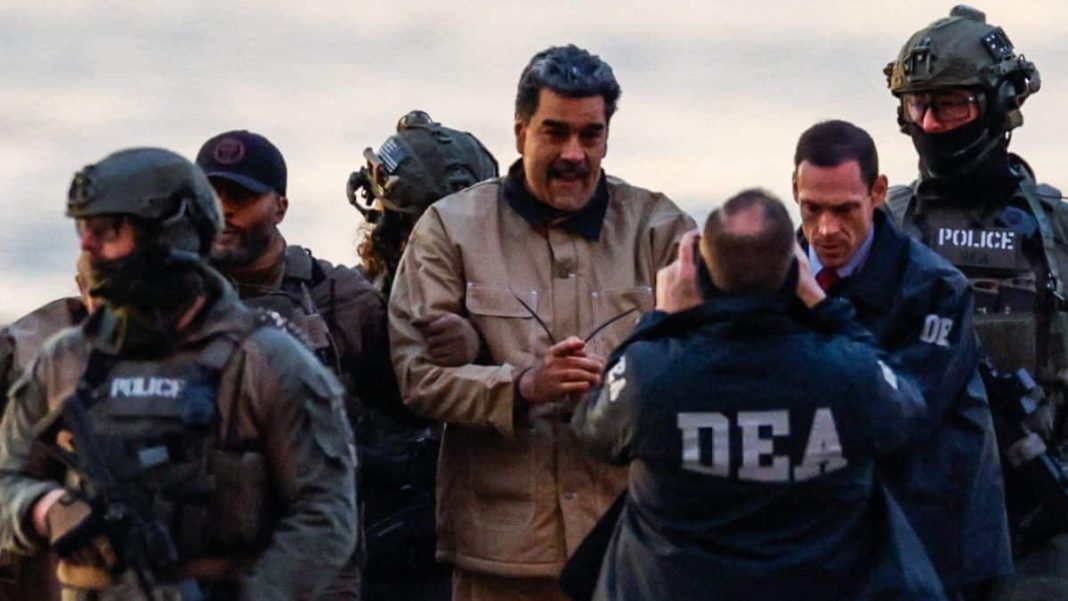
In a dramatic turn of events echoing international thrillers, Venezuelan President Nicolas Maduro has reportedly made a startling declaration before a US court, asserting his status as the legitimate head of state and claiming to be a “prisoner of war” who was captured from his home. This unprecedented statement, relayed through legal channels, has ignited a fresh wave of debate on international sovereignty, legal jurisdiction, and the enduring geopolitical standoff surrounding Venezuela. For an Indian audience accustomed to the nuances of global diplomacy, this development presents a complex tapestry of power, law, and national identity.
Maduro’s Startling Claim in US Court
The core of the recent revelation centres on Nicolas Maduro’s legal team’s submission to a US court, where he is facing charges of drug trafficking and narco-terrorism. While the exact circumstances of his direct communication with the court remain unclear – whether via affidavit, testimony, or through his lawyers relaying a formal statement – the message itself was unequivocal and highly provocative. Maduro reportedly declared, “I’m the President of Venezuela… a prisoner of war,” and asserted that he “was captured from home.” This claim challenges not only the US court’s jurisdiction over him but also casts doubt on the legitimacy of any legal proceedings against a sitting head of state, invoking principles of sovereign immunity.
For India, a nation that has consistently upheld the principles of national sovereignty and non-interference in internal affairs, such a claim by a foreign leader, particularly one alleging an abduction, carries significant weight. It raises questions about the boundaries of international law and the potential for unilateral actions by powerful states.
A Web of International Intrigue and Legal Battles
Maduro’s assertion of being a “prisoner of war” and captured from his home adds a highly combustible element to an already volatile situation. For years, the United States has refused to recognise Maduro’s legitimacy, instead backing opposition leader Juan Guaidó as Venezuela’s interim president. This stance led to a series of escalating measures, including crippling economic sanctions against Venezuela and, notably, a 2020 indictment by the US Department of Justice against Maduro and several of his associates on charges including narco-terrorism, drug trafficking, and corruption. A substantial bounty was also placed on his head.
The US Stance vs. Maduro’s Counter-Narrative
The US government views Maduro as an illegitimate dictator who has presided over Venezuela’s economic collapse and human rights abuses. From this perspective, the legal proceedings are an attempt to bring a criminal to justice. However, Maduro and his allies consistently frame these actions as a multifaceted campaign by Washington aimed at regime change, driven by Venezuela’s vast oil reserves and socialist political orientation. His recent statement, claiming capture and prisoner-of-war status, is a direct challenge to the US narrative, suggesting an act of illegal rendition or abduction by hostile forces, if his claim were to be proven.
The legal implications are profound. International law generally grants heads of state immunity from foreign prosecution, though exceptions exist for international crimes. Maduro’s defence is likely centred on this immunity, arguing that the US court lacks the authority to try him. The “prisoner of war” status, typically reserved for armed conflicts between states, further complicates the legal landscape, drawing attention to the highly politicised nature of the charges.
Implications for Venezuela and Geopolitics
This latest development has far-reaching implications, both domestically for Venezuela and on the global geopolitical stage. Internally, Maduro’s claim, regardless of its veracity, serves to galvanise his supporters, portraying him as a victim of foreign aggression rather than a criminal. It could further entrench the political divide within the country, making any future attempts at dialogue or a peaceful transition of power even more challenging.
Globally, the situation continues to be a flashpoint in US-Latin American relations and a test of international legal norms. Nations like Russia and China, which have continued to support Maduro, will likely view this development as further evidence of US overreach. For India, which has historically maintained diplomatic ties with Venezuela and has an interest in stable global energy markets, this saga underscores the complexities of navigating international relations when powerful nations are at odds. While India advocates for peaceful resolution and adherence to international law, it also maintains an independent foreign policy, carefully observing such geopolitical manoeuvres.
The assertion by Nicolas Maduro in a US court that he is both the legitimate President of Venezuela and a “prisoner of war” captured from his home is a statement of immense gravity. It transforms a legal battle into a potent political declaration, challenging the very foundations of international jurisdiction and sovereign immunity. As the world watches, the unfolding drama promises to deepen the humanitarian crisis in Venezuela and further test the delicate balance of global power dynamics, with no easy resolution in sight.

