


The horrifying last words of Sagar Debbarma, a promising student from Tripura, have sent shockwaves across India and reignited painful conversations about racial discrimination faced by Indian citizens abroad. “I’m Indian,” Sagar reportedly uttered before succumbing to a brutal attack in a Melbourne suburb, a desperate declaration of identity in the face of what authorities and the community suspect to be a racially motivated assault. The tragic incident has sparked widespread outrage, with protests erupting from the quiet lanes of Tripura to major metropolitan cities, demanding swift justice and reinforced safety for Indian students.
The Tragic End of a Bright Future
The incident unfolded on the night of October 27th in West Melbourne, where Sagar, a 23-year-old pursuing a Master’s degree in engineering, was reportedly confronted by a group of assailants. While details remain sparse as the investigation is ongoing, early reports suggest an altercation escalated violently, culminating in a fatal assault. Sagar was found unconscious by passersby and, despite immediate medical attention, passed away shortly after. Witnesses reportedly heard fragments of the confrontation, including Sagar’s final, poignant words, which have now become a rallying cry for justice. The veracity of the racial motive is under intense scrutiny, with local police stating they are investigating all angles, including potential hate crime elements.
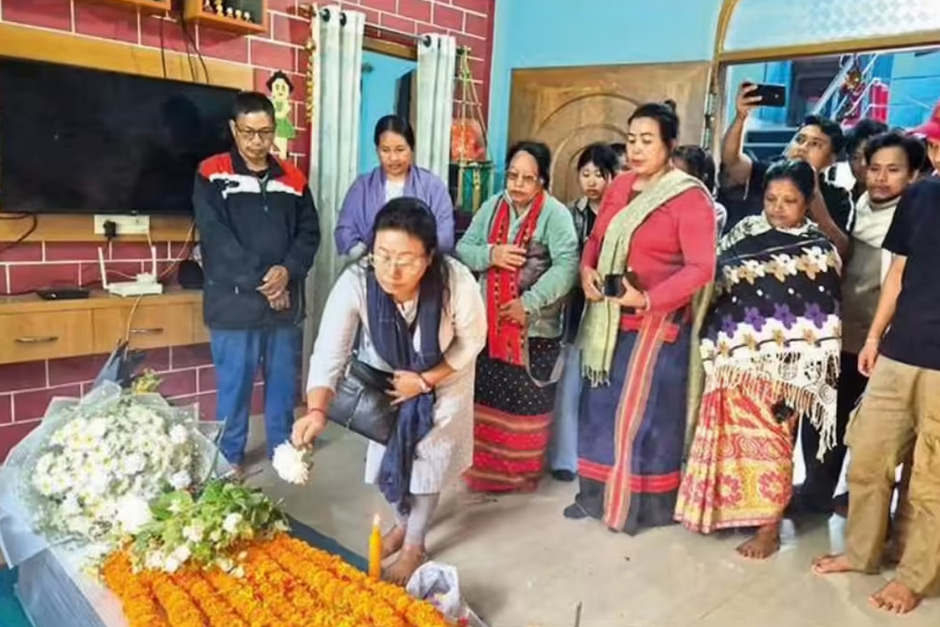
Sagar Debbarma was known for his academic brilliance and aspirations to contribute to his home state of Tripura. His family, still reeling from the devastating news, recounts his dreams of a better future and his unwavering spirit. The thought that his life was cut short, potentially due to his ethnicity, has plunged his community into profound grief and anger, amplifying calls for a thorough and transparent investigation into the circumstances of his death.
A Nation’s Outcry: Protests and Demands for Justice
News of Sagar’s death and his purported last words triggered an immediate outpouring of grief and anger across India. In Tripura, his home state, thousands took to the streets in organised protests. Students, civil society groups, and political organisations converged, holding candlelight vigils and sit-ins, demanding accountability from both Australian authorities and the Indian government. Placards bearing slogans like “Justice for Sagar” and “Stop Racial Attacks” dotted the landscape, reflecting a collective demand for an end to such violence.
Similar protests have been witnessed in major Indian cities, including Delhi, Kolkata, and Bengaluru, highlighting the nationwide concern. Demonstrators have urged the Ministry of External Affairs to exert diplomatic pressure to ensure a speedy investigation and severe punishment for those responsible. “This isn’t just about Sagar; it’s about the safety and dignity of every Indian studying abroad. We send our children hoping for a better future, not to be victims of hate. We demand concrete action, not just condolences,” stated a visibly distraught protestor at a rally in Agartala, encapsulating the sentiment of many.
Diplomatic Engagement and the Quest for Safety
The Indian Ministry of External Affairs (MEA) has promptly responded to the crisis, stating that the Indian High Commission in Canberra and the Consulate General in Melbourne are in close contact with Australian authorities. Officials have conveyed India’s deep concern over the incident and have urged for a fast-tracked investigation, assuring Sagar’s family of all necessary support. The MEA has also reiterated its commitment to ensuring the safety and well-being of Indian citizens abroad, particularly the large student community.
The Australian government, through its diplomatic channels, has expressed condolences and assured India of its full cooperation in the investigation. However, the incident has inevitably cast a shadow over Australia as a preferred destination for Indian students, prompting renewed calls for stronger measures to combat racism and ensure the security of international students. This tragedy serves as a stark reminder of the vulnerabilities faced by migrants and underscores the critical need for global solidarity against all forms of discrimination.
As the investigation continues and the world watches, the heartbreaking echoes of Sagar Debbarma’s last words reverberate, a powerful testament to the identity he cherished and a poignant plea for justice that must not be ignored. The collective hope remains that his death will not be in vain, leading to meaningful changes that guarantee the safety and respect of all individuals, regardless of their origin.

